

TL;DR
QuadRF has developed a system capable of detecting drones and viewing WiFi signals through walls. This breakthrough raises questions about privacy and security, with further details still emerging.
QuadRF has unveiled a new detection system that can identify nearby drones and visualize WiFi signals passing through walls. This development, announced in March 2024, has significant implications for security, privacy, and surveillance, prompting widespread interest and concern.
The QuadRF system uses advanced radio frequency (RF) sensing techniques to detect the presence of drones within a certain radius. It can also visualize WiFi signals passing through walls, effectively seeing behind barriers that typically block radio signals. The technology was demonstrated at a recent security conference, with the developers claiming it can operate at ranges up to several hundred meters.
According to QuadRF representatives, the system combines multiple RF sensing methods to identify drone signatures based on their communication patterns. It also employs signal processing algorithms to reconstruct WiFi signals that penetrate walls, providing a form of ‘through-wall’ imaging for RF signals. The company states that the system is intended for security applications, such as perimeter defense and surveillance, but it has raised privacy concerns among experts and civil rights groups.
Potential Impact on Privacy and Security
The ability to detect drones and see WiFi signals through walls could significantly enhance security measures, especially for military, border, and critical infrastructure protection. However, it also poses serious privacy risks, as individuals could be monitored or surveilled without their knowledge or consent. Experts warn that such technology could be misused by malicious actors or authoritarian regimes, leading to increased surveillance and erosion of privacy rights.
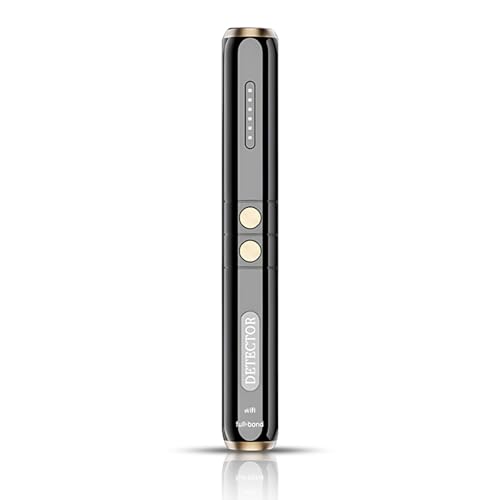
Hidden Camera Detectors – Small Anti Spy with Audio/Video GPS Tracker RF Detector for Wireless Cameras Cars Tracking Device – Mini Travel Pen for Finding Voice Recorder Bug Devices (Small Size)
✅【All-in-One Privacy Guardian for Total Peace of Mind】 Worried about hidden cameras or GPS trackers in hotel rooms,…
As an affiliate, we earn on qualifying purchases.
As an affiliate, we earn on qualifying purchases.
Emerging RF Sensing Technologies and Privacy Debates
QuadRF’s capabilities build on existing RF sensing research, which has been progressing over the past decade. Previous systems could detect signals or track devices within line of sight, but the new system claims to visualize signals through obstacles like walls. The development comes amid ongoing debates about the balance between security and privacy, especially with the rise of surveillance technologies. Prior to this, similar RF detection tools were primarily used by military and law enforcement agencies, but commercial and civilian applications are increasingly emerging.
“If these claims are accurate, QuadRF’s system represents a significant leap in RF sensing capabilities, potentially transforming security and privacy landscapes.”
— Dr. Emily Carter, RF Technology Expert
WiFi signal scanner through walls
As an affiliate, we earn on qualifying purchases.
As an affiliate, we earn on qualifying purchases.
Unverified Aspects and Technical Limitations
While QuadRF has demonstrated these capabilities publicly, independent verification is limited. Details about the system’s range, resolution, and whether it can be used in real-world, cluttered environments remain unclear. Experts question whether the technology can reliably distinguish between different RF sources or operate effectively in complex scenarios. Additionally, the legal and ethical implications of using such detection systems are still under debate, and no regulatory framework has been established.

Retail Anti-Theft Equipment Sensor Kit, RF 8.2mhz, 100pcs Tags
Easy Installation: Our security entry system is easy to install and can be customized according to the layout…
As an affiliate, we earn on qualifying purchases.
As an affiliate, we earn on qualifying purchases.
Regulatory and Ethical Considerations Moving Forward
Further testing and independent validation of QuadRF’s system are expected in the coming months. Policymakers and privacy advocates are likely to scrutinize the technology’s deployment, potentially leading to new regulations governing RF sensing and surveillance. Companies and security agencies may adopt or adapt this technology for various applications, but the broader societal implications will remain a topic of discussion.
through-wall RF imaging device
As an affiliate, we earn on qualifying purchases.
As an affiliate, we earn on qualifying purchases.
Key Questions
Can QuadRF’s system be used legally for surveillance?
The legal use of RF sensing systems like QuadRF’s depends on jurisdiction and context. Currently, there are limited regulations specifically addressing this technology, raising questions about privacy rights and lawful surveillance practices.
How does QuadRF detect WiFi signals through walls?
The system uses advanced RF sensing and signal processing to reconstruct WiFi signals that pass through barriers, effectively visualizing the signals’ presence and patterns behind solid objects.
What are the potential privacy risks of this technology?
It could enable unseen monitoring of individuals’ communications and activities, raising concerns about unauthorized surveillance and the erosion of privacy rights.
Is independent verification of QuadRF’s claims available?
No, as of now, independent experts have not yet fully verified the system’s capabilities, and further testing is anticipated.
What are the ethical concerns surrounding this technology?
Ethical issues include potential misuse for invasive surveillance, lack of consent, and the need for regulatory safeguards to prevent abuse.
Source: hn