
Imagine you’re lifting a tall piece of equipment, and suddenly you realize it’s dangerously close to a high-voltage power line. Without proper precautions, this could lead to severe electrical shocks or fires. Maintaining a safe separation distance is vital to prevent such hazards, but many overlook the importance of planning and awareness. How can you guarantee your work stays safe and compliant when working near power lines?
Key Takeaways
- Maintain the recommended minimum clearance distances based on voltage levels to prevent electrical interference.
- Use designated warning signs and barriers to alert and prevent close approaches near power lines.
- Plan construction and operational activities carefully, ensuring equipment stays below safe separation thresholds.
- Consult local utility authorities to verify safe distances before commencing work near power lines.
- Regularly inspect and train personnel on safety protocols to avoid accidental contact and interference with power lines.
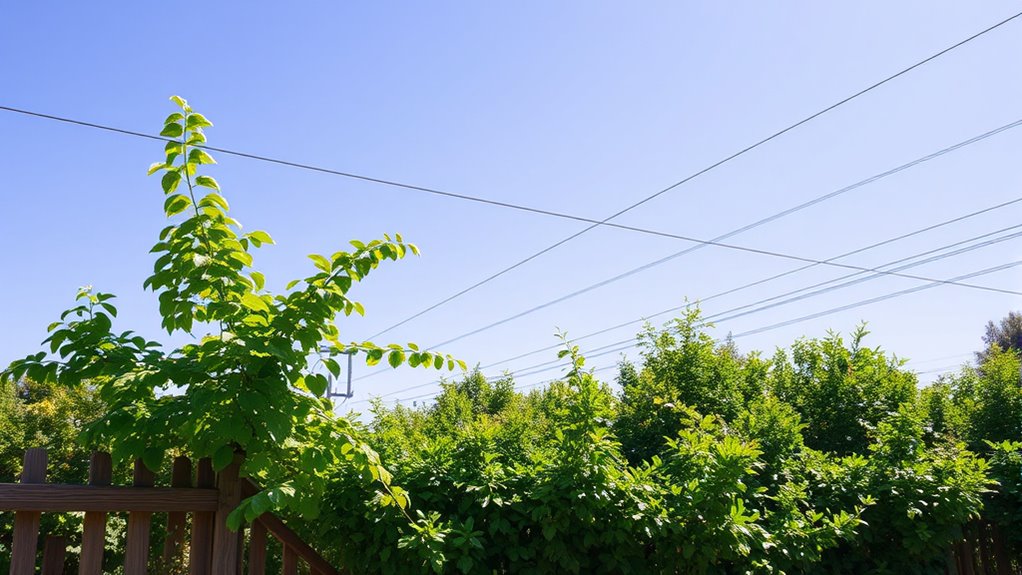
Have you ever wondered why keeping a safe distance from power lines is so important? The answer lies in electrical safety, which is vital to prevent accidents, injuries, and even fatalities. Power lines carry high-voltage electricity that can cause severe shocks or burns if you come into direct contact or get too close. That’s why understanding and following proper installation guidelines is essential, whether you’re working on a construction site, doing maintenance, or operating equipment near power lines. Maintaining the right separation distance isn’t just a recommendation — it’s a fundamental safety measure embedded in electrical safety standards.
Maintaining safe distances from power lines is essential for electrical safety and accident prevention.
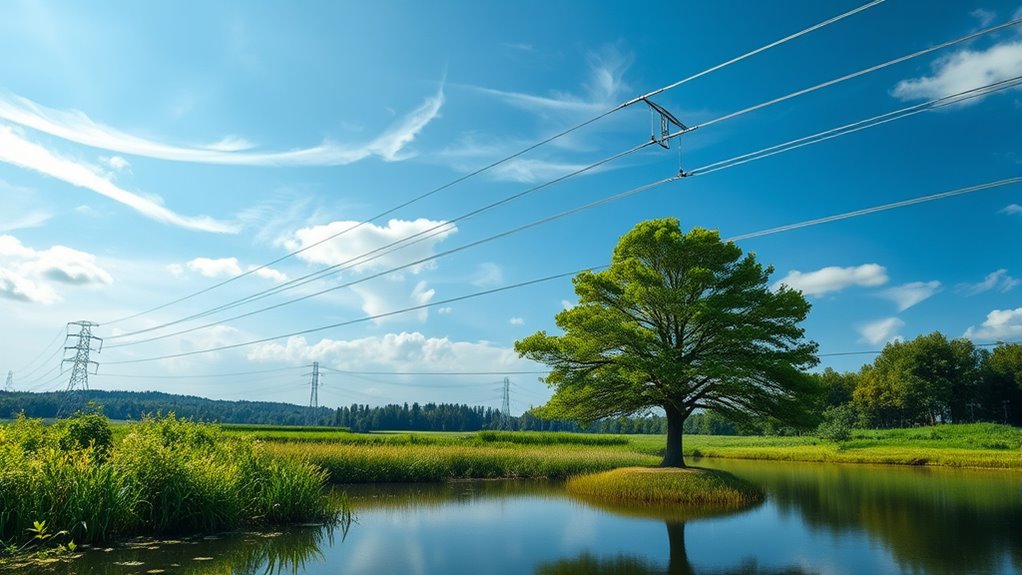
The first step is to recognize that power lines are designed to be high above the ground for safety reasons, but that doesn’t mean they are completely out of reach. When you’re planning any activity near overhead lines, you need to observe specific clearance distances based on the voltage level. These installation guidelines are established by regulatory bodies to guarantee that you stay well away from danger zones. For example, the minimum distance might vary depending on whether the lines are low-voltage distribution lines or high-voltage transmission lines. Ignoring these distances can lead to accidental contact, which can cause electrocution or fires.
Adhering to electrical safety isn’t just about avoiding direct contact. It also involves respecting the proximity of equipment, tools, and machinery to power lines. When operating cranes, ladders, or tall equipment, always identify the height of the power lines and ensure your equipment stays below the minimum clearance. Many incidents occur because workers or operators fail to recognize the dangers or underestimate the reach of their tools. Proper planning, including the use of spotters and warning signs, helps reinforce safety practices. Always double-check the installation guidelines specific to your location or project, as these will specify the safe distances you should maintain.
Furthermore, maintaining a safe separation from power lines isn’t a one-time consideration; it’s an ongoing safety protocol. Regular site inspections, safety training, and awareness of potential hazards help reinforce the importance of electrical safety. When in doubt, consult local utility companies or safety authorities to verify the correct clearances and procedures. Remember, these guidelines are designed to protect you and everyone around you. Respecting the separation distances and following installation guidelines isn’t just about compliance — it’s about safeguarding lives and preventing accidents that can have devastating consequences. Staying vigilant and informed ensures your safety and keeps your work environment secure. Additionally, understanding the significance of color accuracy in safety gear and signals can help prevent miscommunications that lead to hazards.

Hazardous Voltage Safety Warning Sticker Danger Voltage Warnings Sign
- Size: 3 x 4 inches for visibility
- Quantity: 8-pack safety warning stickers
- Material: Self-adhesive vinyl for durability
As an affiliate, we earn on qualifying purchases.
As an affiliate, we earn on qualifying purchases.
Frequently Asked Questions
How Close Can I Build Near a Power Line Safely?
You should build at least 10 feet away from power lines for safety. Check local building setbacks and safety distances, as they vary by area and voltage. Keep in mind that closer proximity increases risk of electrical interference and accidents. Always consult your local utility company or building authority before starting construction near power lines to make certain you meet all safety regulations and avoid hazards.
What Are the Signs of Electrical Interference From Power Lines?
You notice your electronic devices acting strangely—screens flicker, signals cut out, or static noise increases. These are signs of electromagnetic interference from power lines, causing signal disruption. You might also experience sudden power surges or equipment malfunction. Keep a close eye on unusual behavior in your electronics; it’s a warning that power lines could be affecting your devices. Addressing this early can prevent further damage or hazards.
Are There Specific Regulations for Homes Near Power Lines?
You should check local utility pole regulations and electromagnetic field limits if your home is near power lines. Regulations often specify minimum distances to reduce health risks and electrical interference. Utility companies may enforce these rules, and you might need permits or inspections before building or renovating. Staying within these guidelines helps minimize exposure and interference, ensuring your home’s safety and proper functioning of electronic devices.
How Do Power Lines Affect Outdoor Electronic Devices?
Power lines can cause electromagnetic interference, which may lead to signal degradation in your outdoor electronic devices. You might notice your Wi-Fi, radios, or other wireless gadgets experience weaker signals or disruptions when near power lines. To minimize this impact, keep your devices as far away as possible from the lines and consider installing shielding or filters. This helps guarantee your outdoor electronics operate smoothly without interference issues.
What Steps Should I Take if I Suspect Interference?
If you suspect interference, first check your grounding safety to guarantee your devices are properly grounded, reducing the risk of electrical noise. Then, try interference mitigation techniques like repositioning your electronic devices away from power lines or using shielded cables. You can also use filters designed to lessen electrical noise. If problems persist, consult an electrician to assess your setup and improve grounding safety, minimizing interference effectively.
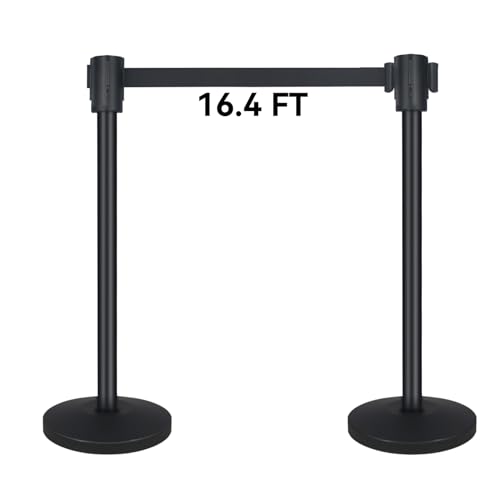
QKA Stainless Steel Stanchion –16.4' Retractable Black Belt(2-Pack)
- Durable Iron Construction: Heavy-duty, stable crowd control bollards
- Extended Retractable Belt: 16.4ft nylon belt for flexible setup
- Versatile Usage: Ideal for queues, zones, and boundaries
As an affiliate, we earn on qualifying purchases.
As an affiliate, we earn on qualifying purchases.
Conclusion
Remember, keeping your distance from power lines is like steering clear of a lightning storm—you avoid the sparks that can cause serious harm. By respecting recommended separation guidelines and staying alert, you create a safe path through the electrical landscape. Always plan ahead, use warning signs, and rely on spotters when needed. Staying cautious isn’t just a rule; it’s the shield that protects you and everyone around you from dangerous shocks and injuries.

4pcs Danger Construction Site Sign 14×10 inch – Plastic
- Optimal Size: 14×10 inches for visibility and aesthetics
- High Visibility: Bright text on contrasting background
- Durable Material: Weather-resistant PVC construction
As an affiliate, we earn on qualifying purchases.
As an affiliate, we earn on qualifying purchases.

3M Buried Barricade Tape 303, 3 in x 300 ft, Red, Warning Tape, 1 Roll
- Bold Caution Text: Black 'caution' on red background
- Temperature Range: 32°F to 120°F (0°C to 49°C)
- Warning Visibility: Provides visible warning when buried
As an affiliate, we earn on qualifying purchases.
As an affiliate, we earn on qualifying purchases.