Did you know that digital twins can create a real-time virtual model of your entire industrial process, even before making physical adjustments? This technology allows you to simulate scenarios, predict equipment failures, and optimize operations without risking downtime or safety. As more industries adopt these tools, understanding how they can transform your workflows might be the key to staying competitive—yet many are still exploring their full potential.
Key Takeaways
- Digital twins create real-time virtual replicas for monitoring and analyzing industrial assets and systems.
- They enable simulation of process changes to optimize performance and support strategic planning.
- Sensors feed live data into digital twins for accurate predictive maintenance and early issue detection.
- Virtual models assist troubleshooting, root cause analysis, and quick resolution of operational problems.
- Digital twins facilitate scenario testing to evaluate upgrades, environmental impacts, and process improvements.

Digital twins are transforming industrial processes by creating dynamic, virtual replicas of physical assets and systems. This technology enables you to monitor, analyze, and optimize operations in ways that were previously impossible. By mirroring real-world equipment in a digital environment, you gain immediate insight into how systems perform and identify potential issues before they escalate. One of the key advantages of digital twins is their ability to facilitate real-time simulation. Instead of relying solely on historical data, you can test different scenarios instantly, allowing you to see how changes might impact performance or efficiency. This real-time simulation capability means you can make more informed decisions on the fly, reducing downtime and improving productivity.
Predictive maintenance is another critical benefit you get from digital twins. Traditional maintenance strategies often involve waiting for equipment to break down or performing scheduled checks that may be unnecessary. Digital twins, however, analyze live data streams from sensors embedded in physical assets, helping you predict when maintenance is genuinely needed. This predictive approach minimizes disruptions by addressing issues proactively, before failures occur. By continuously monitoring the condition of your machinery, you can schedule maintenance at ideal times, saving money on unnecessary repairs and preventing costly outages. Incorporating advanced sensor technology enhances the accuracy of these predictions and insights.
You’ll find that integrating digital twins into your operations enhances your ability to troubleshoot problems quickly. When an anomaly is detected, the digital twin provides a detailed view of what’s happening in real time, guiding you through the root cause analysis without the need for costly trial-and-error. This accelerates your response time and ensures that issues are resolved more efficiently. Moreover, digital twins allow you to simulate future scenarios based on current data, helping you plan for upgrades or process changes with confidence. Whether you’re testing new configurations or evaluating the impact of environmental factors, the virtual model offers a safe, cost-effective space for experimentation.

Building Industrial Digital Twins: Design, develop, and deploy digital twin solutions for real-world industries using Azure Digital Twins
As an affiliate, we earn on qualifying purchases.
As an affiliate, we earn on qualifying purchases.
Frequently Asked Questions
How Secure Are Digital Twins From Cyber Threats?
Digital twins face cybersecurity challenges, but their security depends on your measures. You need to implement strong access controls, encryption, and regular updates to protect data privacy. Stay vigilant about potential cyber threats and monitor systems continuously. While digital twins can be vulnerable, proactive security practices help you safeguard sensitive information and ensure the twin’s integrity. With proper precautions, you can markedly reduce risks and keep your digital twin secure.
What Are the Initial Costs to Implement Digital Twins?
Implementing digital twins is like planting a seed; initial costs vary widely. You can expect to face cost estimation challenges involving hardware, software, and integration expenses. The setup might seem steep at first, but it’s essential to take into account long-term benefits. Your early investments cover data modeling, sensors, and training. Being aware of these factors helps you plan effectively and navigate implementation challenges smoothly, ensuring a successful digital twin deployment.
How Do Digital Twins Integrate With Existing Systems?
You integrate digital twins with your existing systems through seamless system integration, ensuring they connect smoothly with your current infrastructure. Data synchronization plays a vital role, as it keeps the digital twin updated in real-time with accurate information from sensors and control systems. By doing this, you create a cohesive environment where the digital twin mirrors your physical processes, enabling better decision-making, predictive maintenance, and operational efficiency.
Can Digital Twins Predict Future System Failures Accurately?
Yes, digital twins can predict future system failures with high predictive accuracy when you guarantee data reliability. By continuously analyzing real-time data, they identify patterns that signal potential issues before they happen. Your system’s success depends on high-quality, consistent data inputs, which improve the twin’s ability to forecast failures accurately. Regular updates and calibration further enhance predictive capabilities, helping you proactively maintain operations and prevent costly downtime.
What Industries Are Most Benefiting From Digital Twin Technology?
You’ll find that the manufacturing sector benefits most from digital twin technology, with over 70% of factories adopting it for smart manufacturing initiatives. This innovation boosts asset optimization and reduces downtime, leading to increased efficiency. Industries like aerospace, automotive, and energy leverage digital twins to simulate and improve processes. By integrating digital twins, you can enhance predictive maintenance and streamline operations, ultimately gaining a competitive edge in today’s fast-paced industrial landscape.

Accusize Industrial Tools Phase II+ Digital Vibration Tester, DVM-1000
Measurement Capabilities: Measures Velocity, Acceleration, Displacement, and RPM Frequency using comprehensive frequency ranges for diverse applications.
As an affiliate, we earn on qualifying purchases.
As an affiliate, we earn on qualifying purchases.
Conclusion
By embracing digital twins, you unlock an industrial revolution that’s as powerful as transforming your entire operation into a well-oiled machine. They let you monitor, analyze, and optimize in real-time, preventing failures before they happen. With this technology, your processes become unstoppable, saving you time, money, and headaches. Digital twins aren’t just tools—they’re the game-changers that will elevate your industry to legendary status. Get ready to lead the future with confidence!
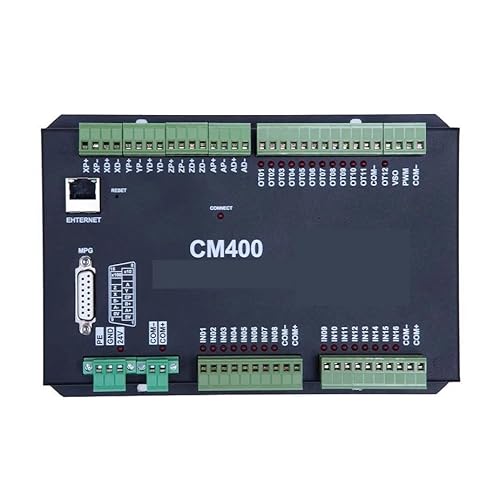
CNC Engraving Machine Control Card Supports 6axis RTCP 3D Simulation Processing Trajectory,Real-Time Tool Path(CM300 3axis Control)
CNC Engraving Machine Control Card Supports 6axis RTCP 3D Simulation Processing Trajectory,Real-Time Tool Path
As an affiliate, we earn on qualifying purchases.
As an affiliate, we earn on qualifying purchases.

DIGITAL CHEMICAL PLANT ENGINEERING: 3D modeling IoT sensors and predictive maintenance for industrial systems
As an affiliate, we earn on qualifying purchases.
As an affiliate, we earn on qualifying purchases.