
Maintaining peak performance in your fiber optic systems depends on proper cleaning practices. Using the right cleaning kits ensures your connectors stay free of dirt, oils, and debris that can cause signal loss. If you’re not already familiar with the best tools and techniques, you might be overlooking potential issues that could affect your network’s reliability. Understanding the essentials of fiber optic cleaning kits can help you avoid costly downtime and extend your equipment’s lifespan.
Key Takeaways
- Fiber optic cleaning kits include lint-free wipes, cleaning solvents, swabs, and precision tools for effective connector maintenance.
- Proper cleaning procedures involve visual inspection, gentle wiping with solvent-treated materials, and reinspection for contaminants.
- Routine use of cleaning kits prevents dirt buildup, maintains signal clarity, and extends the lifespan of fiber optic components.
- High-quality cleaning kits ensure minimal recontamination, reducing system downtime and costly repairs.
- Incorporating cleaning kits into regular maintenance improves system reliability and ensures high-speed, high-quality data transmission.

Have you ever struggled with maintaining ideal signal quality in your fiber optic systems? If so, you already know that fiber optic maintenance is essential to guarantee optimal performance. One of the most effective ways to achieve this is by using a proper cleaning kit designed specifically for fiber optics. These kits are indispensable tools that help keep connectors and fibers free from dirt, dust, and other contaminants that can cause signal loss or degradation. When you invest in a quality cleaning kit, you’re equipping yourself with a set of specialized cleaning kit components that work together to maintain the integrity of your fiber optic connections.
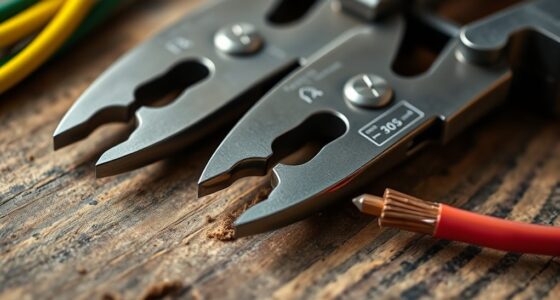
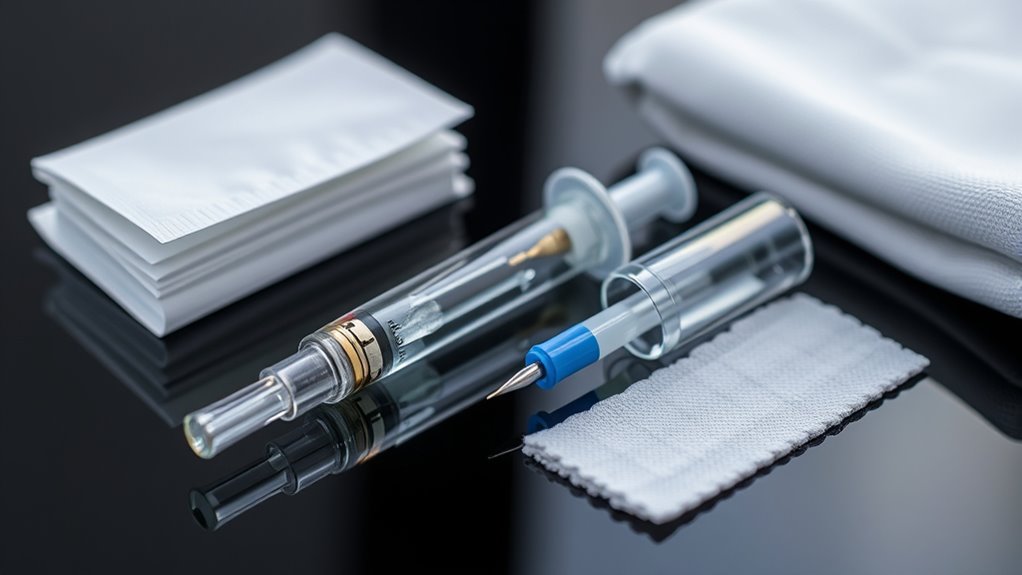
A typical cleaning kit includes several key components: lint-free wipes, cleaning solvents, fiber optic swabs, and precision cleaning tools. Each of these elements plays a critical role in the fiber optic maintenance process. Lint-free wipes are gentle yet effective at removing surface debris without leaving behind fibers or fibers fragments. Cleaning solvents, usually alcohol-based, are formulated to dissolve oils, dirt, and other residues without damaging delicate connectors. Fiber optic swabs allow for targeted cleaning of connectors and ferrules, ensuring thorough removal of stubborn contaminants. Precision cleaning tools, such as fiber optic cleaning pens or brushes, give you fine control over the cleaning process, especially in tight or hard-to-reach areas. Additionally, proper storage of cleaning tools is essential to prevent recontamination and maintain their effectiveness over time.
Using a cleaning kit properly is simple but requires attention to detail. You start by inspecting the connectors visually to identify any dirt or smudges. Then, you apply a small amount of cleaning solvent to a lint-free wipe or fiber optic swab and gently wipe the connector end face. Be sure to avoid excessive pressure, which can damage the delicate fiber surfaces. For stubborn debris, a fiber optic cleaning pen or brush can help dislodge particles without scratching the connectors. After cleaning, inspect the connection again to confirm it’s free of contaminants. Remember, regular cleaning prevents buildup that can impair signal quality, reducing the need for costly repairs or replacements down the line.
Inspect connectors visually, gently clean with solvent and wipes, then recheck for clarity to ensure optimal signal quality.
Ultimately, maintaining your fiber optic systems depends heavily on consistent, careful cleaning using reliable cleaning kit components. By incorporating these tools into your routine fiber optic maintenance, you guarantee your connections remain clear, efficient, and capable of transmitting data at optimal speeds. Proper cleaning not only prolongs the lifespan of your fiber optic cables but also guarantees high-quality signal transmission, keeping your network running smoothly and efficiently. Always prioritize fiber optic cleanliness to ensure peak performance and avoid costly downtime.

BAOSHLA 14 in 1 Fiber Optic Cleaning Tool kit with 400x Optical Microscope SC LC MPO Cleaner Pen and 2.5mm 1.25mm MTP Cleaning Box with Replace core
14 in 1 built-in: fiber optic magnifying glass, cleaning box and replacement core, SC/LC/MPO cleaning pen, 1.25/2.5mm cleaning…
As an affiliate, we earn on qualifying purchases.
As an affiliate, we earn on qualifying purchases.
Frequently Asked Questions
How Often Should Fiber Optic Cleaning Kits Be Replaced?
You should replace your fiber optic cleaning kits when they show signs of wear or damage, typically every few months or after extensive use. Regular cleaning frequency depends on your environment and usage, but don’t wait too long, as worn-out kits can harm connectors. Keep an eye on kit durability, and replace components as needed to guarantee peak performance and prevent contamination during each cleaning session.
Are There Eco-Friendly Fiber Optic Cleaning Solutions Available?
Yes, eco-friendly cleaning solutions for fiber optics are available. You can choose sustainable options like alcohol-free wipes, biodegradable cleaning swabs, and environmentally safe cleaning solutions. These eco-friendly cleaning products help reduce your environmental impact while maintaining effective fiber optic cleaning. By selecting sustainable solutions, you guarantee your equipment stays clean without compromising your commitment to eco-conscious practices. Always check product labels for eco-friendly certifications to make the best choice.
Can Cleaning Kits Damage Delicate Fiber Optic Connectors?
Cleaning kits, if used improperly, can cause connector damage. To guarantee cleaning kit safety, follow the manufacturer’s instructions carefully, avoid excessive pressure, and use appropriate cleaning tools. You prevent connector damage by selecting the right cleaning solutions and avoiding harsh chemicals. Proper technique and gentle handling are key, so always prioritize manufacturer guidelines to keep your fiber optic connectors in top condition and avoid costly repairs.
What Accessories Are Essential for Comprehensive Fiber Optic Cleaning?
For thorough fiber optic cleaning, you need crucial accessories like lint-free wipes, compressed air, and cleaning pens. Regular fiber optic inspection helps identify dirt or damage, guiding your cleaning frequency. Using specialized cleaning tools ensures thorough cleaning without damaging delicate connectors. Keep a cleaning kit handy and inspect your connectors often to maintain peak performance and prevent signal loss. Proper accessories and routine cleaning are essential for reliable fiber optic network operation.
How Do Temperature and Humidity Affect Cleaning Kit Effectiveness?
Sure, because who doesn’t love battling the elements while cleaning fiber optics? Environmental factors like temperature and humidity can sabotage your cleaning efficacy, turning a simple task into a soggy, static nightmare. High humidity invites moisture, risking contamination, while extreme temperatures make cleaning materials less effective or brittle. So, keep your workspace climate-controlled—your fiber optic cleaning kit will thank you, and your connections will stay pristine.

SpeedaLite US Conec 9393 IBC Brand Cleaner Official 1.25mm LC/MU Fiber Tool Anti-Static Data Center Grade 525+ Cleans for 400G/800G Networks
High-Density 1.25mm Precision: Specifically engineered for 1.25mm ferrules, this tool provides a mechanical fit for LC/UPC, LC/APC, and…
As an affiliate, we earn on qualifying purchases.
As an affiliate, we earn on qualifying purchases.
Conclusion
So, next time you skip cleaning your fiber optics, just imagine those tiny connectors throwing a tantrum, hiding dirt like a teenager hiding snacks. It’s almost poetic—neglecting a simple kit that can save you hours of troubleshooting and a few headaches. In the end, a little cleaning keeps your network running smoothly, proving that sometimes, the tiniest tools make the biggest difference. Don’t let dirt be the uninvited guest in your high-speed world.
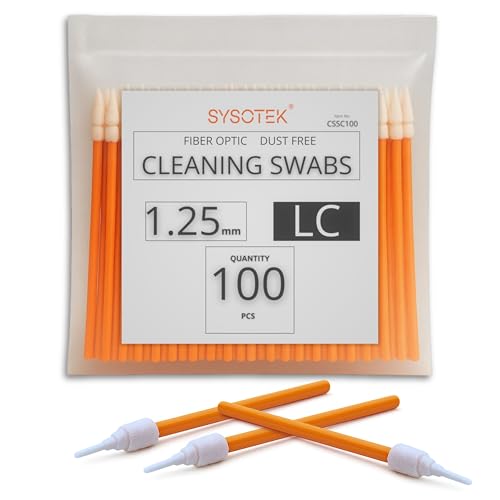
Sysotek Fiber Optic Cleaning Swabs – 100 pack – LC 1.25mm – For Cleaning Optical Components. Lint Free Anti-Static Swabs, Cleaning stick for Ports and Adapters, LC Connector Cleaner Tool for Field Use
DESIGNED FOR LC 1.25MM CONNECTORS – Specifically engineered for LC fiber optic ports and LC connector cleaning. These…
As an affiliate, we earn on qualifying purchases.
As an affiliate, we earn on qualifying purchases.

Jonard Tools FCF-3 Nonflammable Fiber Cleaning Fluid for Cleaning Bare Fiber, Connector End-Faces, and Electronic Components
QUICK-DRYING & NONFLAMMABLE: Perfect for cleaning bare fiber, connector end-faces, and sensitive electronic components
As an affiliate, we earn on qualifying purchases.
As an affiliate, we earn on qualifying purchases.