You’re likely aware that timely data transfer is critical in many industries, but have you considered how Time-Sensitive Networking (TSN) makes this possible? TSN provides the reliable, low-latency communication needed for systems where delays can mean failure or danger. Its applications span from industrial automation to autonomous vehicles, shaping the future of real-time control. Understanding how TSN impacts these sectors could change how you think about network reliability and safety.
Key Takeaways
- TSN enables real-time, low-latency communication essential for industrial automation and robotics.
- It supports safety-critical applications in healthcare, transportation, and entertainment industries.
- TSN ensures deterministic data transfer for autonomous vehicles and intelligent transportation systems.
- It facilitates seamless integration and coordination of devices in industrial and building automation.
- TSN provides a reliable network backbone, reducing delays and data loss in critical systems.

Time-sensitive networking (TSN) plays a vital role in enabling real-time communication across various industries by guaranteeing data is transmitted reliably and with minimal delay. When you’re working within industrial automation, this becomes especially critical. In factories, where robotic arms, conveyor belts, and sensors need to coordinate seamlessly, TSN ensures that commands and status updates reach their destinations instantly. This dependability minimizes downtime and prevents costly errors, allowing your automated systems to operate smoothly and efficiently. Without TSN, delays or data loss could lead to production halts or safety hazards, making it an indispensable technology for modern manufacturing environments. Its ability to prioritize essential data guarantees that safety signals and control commands always take precedence, giving you confidence that your automated processes are synchronized and responsive.
In the domain of autonomous vehicles, TSN’s importance becomes even more apparent. Self-driving cars rely heavily on a network of sensors, cameras, and communication modules to navigate safely and make split-second decisions. As you develop or operate autonomous vehicle systems, you recognize that any lag or missed data packet could compromise safety or cause navigation errors. TSN provides the low-latency, deterministic network environment needed for these vehicles to communicate with infrastructure, other vehicles, and onboard systems reliably. This real-time data exchange allows autonomous vehicles to react instantaneously to changing conditions, such as sudden obstacles or traffic signals, enhancing safety and efficiency on the road. By enabling precise synchronization between multiple data streams, TSN helps guarantee that autonomous cars can process vast amounts of information without delay, providing a safer driving experience.
Furthermore, the versatility of TSN means it’s not limited to just industrial automation or autonomous vehicles. Its ability to deliver predictable, high-priority data transfer makes it suitable for critical applications across healthcare, transportation, and even entertainment industries. Resource availability plays a crucial role in the successful deployment and maintenance of TSN-enabled networks, ensuring consistent performance across various sectors. However, you’ll find that in high-stakes environments like factories or autonomous vehicle networks, TSN’s capacity for ensuring timely, reliable data transfer is especially indispensable. It reduces the risk of system failures caused by network unpredictability. As you implement TSN, you’re fundamentally creating a backbone that supports the complex, real-time operations essential for modern technology-driven industries. Whether controlling machinery or enabling autonomous driving, TSN’s role in delivering deterministic network performance underpins the safety, efficiency, and dependability of these cutting-edge applications.

Mini Industrial 5 Ports Gigabit Switch Hardened 5 Port RJ45 10/100/1000Mbps Ethernet Switch Din Rail Mount Ethernet Switch Wall Mounts Included (-40 to 167 ºF) 10Gbps Switching Capacity
10/100/1000Mbps Ethernet – The Industrial 5 ports Ethernet Switch have 5 RJ45 ports 10/100/1000Mbps half/full duplex.
As an affiliate, we earn on qualifying purchases.
As an affiliate, we earn on qualifying purchases.
Frequently Asked Questions
How Does TSN Compare to Traditional Networking Protocols?
You’ll find TSN offers significant advantages over traditional networking protocols by providing deterministic latency and improved synchronization precision. Unlike standard networks that can experience unpredictable delays, TSN guarantees data arrives on time, which is vital for real-time applications. You’ll notice more reliable performance, especially in industrial automation or audio/video streaming, where timing matters. Overall, TSN enhances network predictability, making it ideal for applications demanding strict timing and synchronization requirements.
What Industries Benefit Most From TSN Implementations?
Aren’t you curious which industries gain the most from TSN? You’ll find that industrial automation and smart manufacturing benefit greatly, as TSN guarantees real-time data transfer and synchronization. These industries rely on precise timing for safety, efficiency, and automation. By implementing TSN, you can improve machine coordination, reduce latency, and enhance overall productivity, making your operations more agile and competitive in today’s fast-paced industrial landscape.
Are There Compatibility Issues With Existing Network Infrastructure?
You might face compatibility issues with existing network infrastructure when implementing TSN, especially with legacy systems. These older systems often lack the necessary hardware or software support for TSN features, leading to interoperability challenges. To guarantee smooth integration, you may need to upgrade or replace certain components, or implement bridging solutions, so your network can fully support TSN’s real-time capabilities without disruptions or performance bottlenecks.
What Are the Future Developments Planned for TSN?
Imagine a factory where robots coordinate seamlessly for real-time control; future TSN developments will enhance these capabilities. Planned improvements include tighter integration with edge computing, reducing latency, and increasing reliability. These advancements will enable more precise synchronization, supporting complex automation and industrial IoT applications. You’ll see smarter, more adaptable networks that guarantee real-time data flows, making industrial environments more efficient and responsive to evolving technological demands.
How Secure Are TSN Networks Against Cyber Threats?
You should know that TSN networks have strong cybersecurity protocols and data encryption measures to protect against cyber threats. These protocols help detect and prevent unauthorized access, ensuring data integrity and confidentiality. While no system is completely invulnerable, implementing robust cybersecurity practices makes your TSN network more secure from cyber attacks, so you can confidently rely on its performance for time-sensitive applications.
autonomous vehicle Ethernet communication device
As an affiliate, we earn on qualifying purchases.
As an affiliate, we earn on qualifying purchases.
Conclusion
Just as a maestro guides an orchestra to harmony, TSN orchestrates flawless real-time communication across industries. By ensuring your systems stay synchronized and responsive, you prevent chaos and open new levels of safety and efficiency. Remember, in a world where every millisecond counts, embracing TSN means you’re not just keeping up—you’re leading the charge toward a future where reliability and precision reign supreme. The clock is ticking—are you ready to seize the moment?
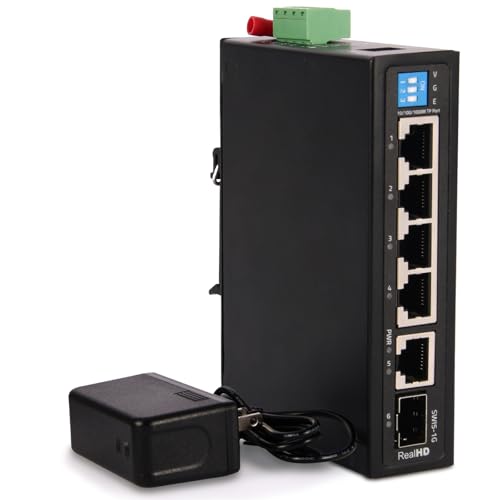
Industrial Ethernet Switch, 6-Port Gigabit Ethernet Switch, 1000Mbps, 4*1 RJ45 Uplink+1 SFP Port, Din Rail & Wall Mountable (-40 to 185 F), 12Gbps Switching Capacity, with UL Power Supply
This network switch include 4 gigabit Ethernet ports+1 RJ45 Uplink+1 SFP Port, switching capacity up to 12Gbps, support…
As an affiliate, we earn on qualifying purchases.
As an affiliate, we earn on qualifying purchases.
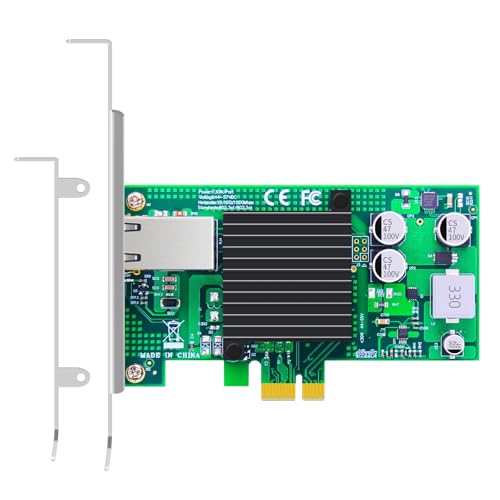
GLOTRENDS ST7225 PoE+ Network Card with AVB/TSN Function, Gigabit Ethernet RJ45 LAN Port, PCIE 2.1 X1 Interface, Regular & Low Profile Bracket
PoE+ (IEEE 802.3at) Network Card can deliver a maximum power output of 30W via RJ45 port for devices…
As an affiliate, we earn on qualifying purchases.
As an affiliate, we earn on qualifying purchases.