Imagine a school where every device connects instantly and smoothly, thanks to carefully planned network cabling. This infrastructure is the backbone of modern education, supporting high-speed internet and seamless wireless access across campus. But designing an effective cabling system involves more than just laying wires; it requires strategic planning for scalability, security, and future upgrades. Understanding these elements can transform how students and staff experience technology every day.
Key Takeaways
- Reliable, high-speed cabling ensures seamless internet access and supports multiple wireless devices across educational campuses.
- Structured cabling enables effective wireless access point deployment for comprehensive coverage and minimal dead zones.
- Proper network wiring facilitates secure VLANs and encryption protocols, protecting sensitive educational data.
- Organized cabling simplifies security device installation, maintenance, and future upgrades for enhanced campus safety.
- Planning with resilience and scalability in mind ensures the network can adapt to evolving educational technology needs.

Effective network cabling is vital for creating reliable and high-speed internet access in educational environments. When designing your network infrastructure, you need to prioritize not just speed but also seamless wireless integration. Modern schools rely heavily on wireless devices, from tablets to laptops, which means your wired network should support robust wireless access points. Proper cabling ensures these access points are interconnected efficiently, providing consistent coverage throughout the campus. This integration minimizes dead zones and delivers high bandwidth to support multiple users simultaneously, guaranteeing students and staff can access online resources without lag or interruption.
Reliable cabling ensures seamless wireless coverage and high-speed internet for educational environments.
Security protocols are another key aspect to consider when implementing network cabling in schools. Your cabling system should be designed to support advanced security measures that protect sensitive data and prevent unauthorized access. Structured cabling allows you to implement secure VLANs (Virtual Local Area Networks), which segregate different user groups like staff, students, and administrative systems. This separation helps contain potential security breaches and reduces the risk of data leaks. Additionally, your network should support encrypted connections, such as WPA3 or enterprise-level Wi-Fi security protocols, to make certain that wireless communications remain private and secure.
A well-planned cabling infrastructure also facilitates easier deployment of security devices like surveillance cameras and intrusion detection systems. These devices require reliable connections to transmit real-time data effectively. By using high-quality cabling, you minimize latency and data loss, which are vital for security monitoring and quick incident response. Moreover, a structured cabling system simplifies future upgrades, allowing you to add new security features or expand your network capacity without major disruptions.
Incorporating security protocols into your network planning isn’t just about technology; it’s about establishing a safe learning environment. Educating staff about best practices for network security and configuring your network devices to enforce strong authentication can markedly reduce vulnerabilities. Additionally, maintaining an organized, documented cabling layout makes troubleshooting easier, ensuring that security issues can be addressed swiftly without extensive downtime.
A comprehensive understanding of home improvement principles can also help in planning physical spaces for network equipment, ensuring proper ventilation and accessibility. Ultimately, your goal should be to create a resilient, scalable, and secure network infrastructure. By focusing on wireless integration, you ensure flexible, high-performance connectivity across your educational campus. Simultaneously, implementing stringent security protocols through your cabling system guards against cyber threats and unauthorized access. When you combine these elements thoughtfully, you build a network that not only meets today’s educational demands but also adapts to future technological advancements, supporting a safe and effective learning environment.
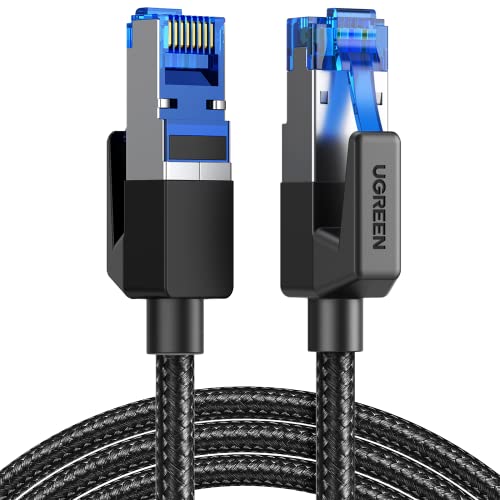
UGREEN Cat 8 Ethernet Cable 6FT, High Speed Braided 40Gbps 2000Mhz Network Cord Cat8 RJ45 Shielded Indoor Heavy Duty LAN Cables Compatible with Gaming PC PS5 PS4 PS3 Xbox Modem Router 6FT
40 Gbps 2000 Mhz High Speed: The Cat 8 ethernet cable support max. 40 Gbps data transfer and…
As an affiliate, we earn on qualifying purchases.
As an affiliate, we earn on qualifying purchases.
Frequently Asked Questions
How Can Network Cabling Accommodate Future Expansion Needs?
You can provide for future expansion needs by installing flexible network cabling that supports wireless integration and uses modular connectors. This setup makes it easy to add new devices or upgrade the system without major disruptions. Planning for extra capacity and using scalable infrastructure ensures your network can grow alongside your educational environment. With modular connectors, you simplify maintenance and future-proof your cabling, making expansion smooth and cost-effective.
What Are the Best Practices for Cable Management in Schools?
You should prioritize cable organization by keeping cables neatly arranged and secured to prevent tangles. Implement clear labeling standards to easily identify connections, which simplifies troubleshooting and future upgrades. Use cable trays or conduits to maintain order, and avoid overloading ports. Regularly inspect and update your cable management system, ensuring safety and efficiency. Proper organization and labeling make managing school networks straightforward and support future expansion.
How Does Network Cabling Impact Student Safety and Health?
Think of network cabling like the nervous system of your school—if cables aren’t properly insulated, they can leak electromagnetic interference, disrupting learning and posing health risks. Poorly managed cables can cause tripping hazards or even fires. Using quality cable insulation reduces these risks, ensuring a safer environment. Proper cable management keeps students safe and healthy, so you can focus on education without worry.
What Eco-Friendly Materials Are Available for School Network Cabling?
You can choose eco-friendly materials like biodegradable cables made from natural or recycled components, reducing environmental impact. Look for options with recycling options, so you can properly dispose of or reuse cables when needed. These environmentally conscious cables help minimize waste and pollution, making your school more sustainable. By selecting such materials, you promote eco-awareness and contribute to a greener future for education environments.
How Do Network Cabling Solutions Differ Between Urban and Rural Schools?
In urban schools, you’re likely to find more robust network cabling solutions with higher bandwidths, supporting wireless integration and advanced security protocols. Rural schools often have simpler setups, focusing on cost-effective, reliable connections. You should consider weather-resistant cables and backup solutions to guarantee consistent service. Both environments require secure, flexible cabling systems that facilitate seamless wireless integration and uphold security protocols, but implementation varies based on infrastructure needs and resources.
structured cabling for educational institutions
As an affiliate, we earn on qualifying purchases.
As an affiliate, we earn on qualifying purchases.
Conclusion
By investing in robust network cabling, you create a reliable, secure learning environment where students can thrive. Imagine a school where seamless internet access allows a teacher to instantly share a digital lesson, inspiring curiosity and engagement. With thoughtful planning and quality infrastructure, you guarantee future upgrades and security, empowering everyone to learn and grow. Your commitment to proper cabling truly transforms education into a connected, dynamic experience.

UeeVii CPE450 Wireless Bridge and WR3000K WiFi Router Kit, 5.8G 3KM Point to Point Wireless Bridge Outdoor to Shop Barn Garage Building Network Kit Solution, Outdoor WiFi Bridge(2PCS), Plug and Play
Network Suite Solution: This suite integrates UeeVii CPE450 outdoor wireless bridge and WR3000K WiFi6 router to easily achieve…
As an affiliate, we earn on qualifying purchases.
As an affiliate, we earn on qualifying purchases.

MokerLink 48 Port PoE Gigabit Managed Switch, 4x1G SFP, IEEE802.3af/at/bt 600W, VLAN/Qos/PoE/Security Web/Cli L2 Managed Rackmount Switch
Gigabit Ports: 48 gigabit ethernet ports, 4 gigabit SFP, switching capacity is 256Gbps, each port can reach 1G…
As an affiliate, we earn on qualifying purchases.
As an affiliate, we earn on qualifying purchases.