
TL;DR

Get networking and server gear delivered free — and shop member deals
- Fast, free delivery on millions of items
- Access to Prime Big Deal Days deals on October 6–7
- Prime Video, Amazon Music and more included
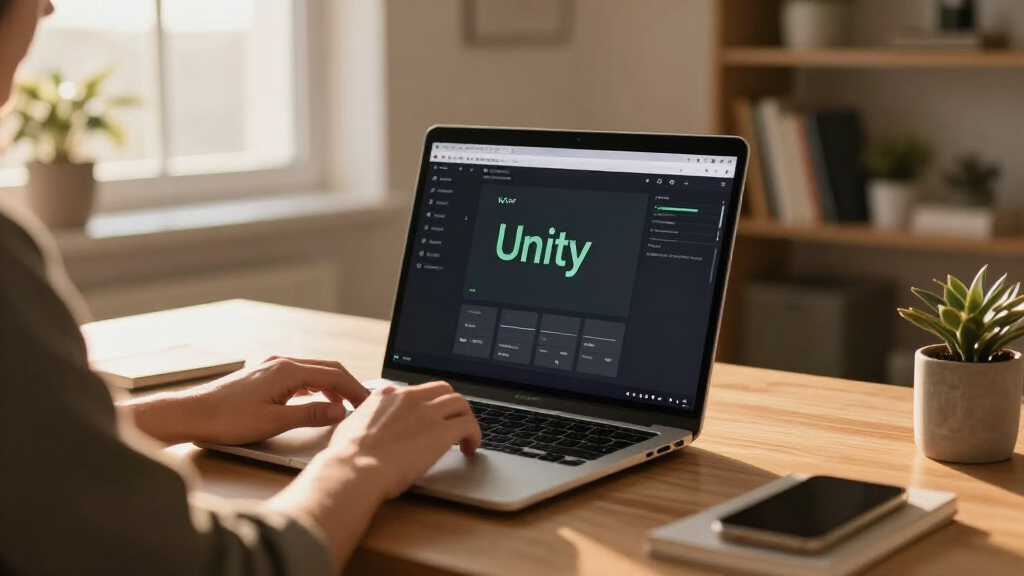
VLC for Unity has announced support for Linux, enabling developers to integrate VLC media features into Unity projects on Linux systems. This marks a significant step for cross-platform multimedia development.
VLC for Unity now supports Linux, according to the official announcement made by the VLC development team on March 15, 2024. This update allows developers to integrate VLC media player functionalities into Unity projects running on Linux systems, expanding cross-platform compatibility. The support was previously limited to Windows and macOS, making this a notable development for Linux-based development environments and users.
The VLC for Unity plugin, which enables seamless media playback within Unity applications, has officially added support for Linux. This change was confirmed by the VLC project’s official communication channels, including their GitHub repository and website. Developers can now deploy media-rich Unity applications on Linux without needing workarounds or alternative solutions.
Sources from the VLC development team indicated that the Linux support was achieved through updates to the plugin’s underlying codebase, ensuring compatibility with popular Linux distributions such as Ubuntu, Fedora, and Arch Linux. The update also includes improvements to performance and stability on Linux platforms, according to the developers.
Why Linux Support in VLC for Unity Is Important
This development significantly broadens the reach of Unity-based multimedia applications on Linux, a platform favored by many developers, gamers, and open-source enthusiasts. Previously, developers targeting Linux had limited options for integrating VLC’s versatile media playback capabilities directly into their projects. Now, they can leverage VLC’s extensive format support and features natively within Unity on Linux, reducing development complexity and improving user experience.
For the open-source community and organizations relying on Linux for multimedia projects, this update provides a more integrated, reliable solution for media playback, potentially fostering new applications in gaming, education, and digital art. It also signals ongoing efforts by VLC and Unity to enhance cross-platform compatibility, which is increasingly vital in a diverse software ecosystem.
As an affiliate, we earn on qualifying purchases.
Background on VLC and Unity Compatibility Efforts
VLC media player, developed by the VideoLAN project, is one of the most widely used open-source media players, known for its extensive format support and versatility. The VLC for Unity plugin was created to allow Unity developers to embed VLC’s media playback capabilities into their projects, primarily supporting Windows and macOS since its initial release.
Support for Linux in VLC for Unity was absent until now, despite the platform’s popularity among developers and the gaming community. The absence was mainly due to technical challenges related to Linux’s diverse environment and differences in media handling compared to Windows and macOS. The recent update addresses these issues, marking a milestone in cross-platform multimedia development.
Prior to this, Linux users and developers often relied on workarounds or other media plugins, which could compromise performance or compatibility. The official support now aligns VLC for Unity with the broader trend of enhancing Linux support across major development tools and libraries.
“The addition of Linux support for VLC in Unity is a major step forward, enabling a more seamless experience for developers targeting Linux platforms.”
— Alexandre Janniaux, VLC Developer
As an affiliate, we earn on qualifying purchases.
Remaining Technical and Compatibility Questions
While the official support has been announced, it is not yet clear how well the VLC plugin performs across different Linux distributions and hardware configurations. Details about specific performance benchmarks, stability issues, or potential bugs are still emerging. Additionally, the timeline for future updates or additional features remains unspecified.
Developers and users are awaiting further testing reports and community feedback to assess the full impact of this support on real-world applications.
media playback software for Linux Unity
As an affiliate, we earn on qualifying purchases.
As an affiliate, we earn on qualifying purchases.
Next Steps for Developers and Users on Linux
Developers are encouraged to test the new Linux support in their projects and provide feedback to the VLC development team. Updates and bug fixes are expected to follow based on early community reports. The VLC team has indicated plans to release detailed documentation and tutorials to help developers optimize their applications for Linux.
Meanwhile, users can look forward to more stable releases and broader adoption of VLC for Unity on Linux, potentially leading to new multimedia applications and improved user experiences in open-source environments.
As an affiliate, we earn on qualifying purchases.
Key Questions
Does VLC for Unity support all Linux distributions now?
The support has been announced for major distributions like Ubuntu, Fedora, and Arch Linux, but full compatibility across all Linux variants is still being evaluated. Developers should test their specific environments.
Will this update improve performance on Linux?
The VLC team reports improvements to stability and performance, but specific benchmarks are not yet available. Performance may vary depending on hardware and Linux distribution.
Is the Linux support available in the latest VLC for Unity release?
Yes, the official support was included in the latest update announced in March 2024. Users should ensure they are using the most recent version.
Are there any known issues with VLC for Unity on Linux?
As with any new support, some bugs or compatibility issues may still exist. Community testing and feedback are ongoing to identify and resolve these.
What are the benefits of using VLC for Unity on Linux?
Developers gain access to VLC’s extensive media format support within Unity, enabling more versatile multimedia applications on Linux platforms with fewer workarounds.
Source: hn
Fall Picks
fall essentials
As an affiliate, we earn on qualifying purchases.