TL;DR

Get business pricing on networking and server gear
- Business-only prices and quantity discounts
- Tax-exempt purchasing
- Multiple users, one account, clear invoices
Diraq has installed an eight-qubit silicon spin quantum computer at an Equinix data center in Sydney, describing it as the first commercial data center deployment of this technology. The system uses less than 20 kilowatts and occupies 170 square feet; Diraq says it aims to upgrade it to as many as 256 qubits within a year. Its commercial performance and the timeline for that expansion have not been independently established in the supplied material.
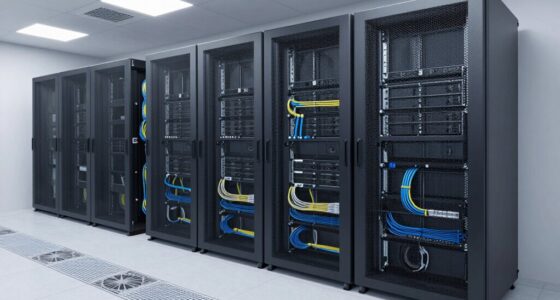
Diraq has installed an eight-qubit silicon spin quantum computer at Equinix’s Sydney data center, bringing the company’s system into a commercial facility that hosts conventional computing infrastructure. Diraq calls it the first commercial data center deployment of a silicon spin quantum computer; the installation is a test of whether the technology can operate alongside existing data center systems, rather than a demonstration of useful commercial quantum applications.
The system currently has eight qubits, the quantum-computing units used to represent and process information. Diraq says it draws less than 20 kilowatts and occupies about 170 square feet. The company is targeting an upgrade to as many as 256 qubits in the same deployment within a year. That is a stated goal, not a completed expansion, and the announcement does not provide a schedule of intermediate upgrades.
Diraq says its silicon spin processors are made using semiconductor manufacturing processes also used for conventional chips. It argues that this approach could allow computing capacity to grow by replacing or upgrading the processor, with relatively little change to the data center around it. Those claims describe the company’s intended scaling approach; the current eight-qubit installation does not establish how the system’s performance, cost or operating requirements will change at larger sizes.
The deployment was announced alongside Quantum at Work, a Diraq report about potential uses of future quantum computers in areas such as medicine, energy, materials, climate and transport. The report includes Diraq analysis suggesting that a 10-percentage-point improvement in clinical-trial success rates could save about US$600 million per medicine. That is a modeled estimate of a possible future benefit, not a result produced by the deployed system.
Testing Quantum in Existing Data Centers
The installation matters because it places a quantum computer in a facility designed to support the business computing infrastructure already in use, rather than only in a research laboratory. If systems can be added without major changes to power, cooling or floor space, data center operators and potential customers may have a more practical route to testing quantum hardware alongside conventional and cloud computing.
For now, the deployment is an infrastructure milestone, not evidence that the machine can outperform classical computers on a useful business task. Diraq’s stated figures are for an eight-qubit system, while its proposed utility-scale systems and associated applications remain future possibilities. The distinction matters for readers weighing near-term commercial capability against the longer-term potential described in the company’s report.
Diraq says a future utility-scale system could draw around 300 kilowatts and occupy as little as 50 square feet. These are company projections, and the announcement does not define the system size or performance meant by “utility-scale.” Equinix’s participation shows that the installation is located within a commercial data center, but the source does not report customer workloads or revenue from the quantum computer.
Products Worth Considering

Jackery Explorer 300 Portable Power Station with SolarSaga 100W Solar Panel

Jackery Explorer 1000 v2 Portable Power Station, 1070Wh, 1500W

Samsung Galaxy Tab S7 11-inch Android Tablet 128GB Wi‑Fi with S Pen Mystic Black
As an affiliate, we earn on qualifying purchases.
Diraq’s Scale-Up Plans and Funding
The announcement follows Diraq’s advancement to Stage C of the DARPA Quantum Benchmarking Initiative, according to the company. Diraq says it is one of six companies to reach that stage, which it describes as the program’s final stage, with potential funding of up to US$300 million. The announcement does not say that Diraq has received the full amount.
Diraq also says it signed a US$38 million letter of intent with the U.S. Department of Commerce under the CHIPS and Science Act. A letter of intent is not, by itself, confirmation that the funding has been disbursed. These developments form part of the company’s effort to develop silicon spin quantum computers, but they do not establish that its current system has reached utility-scale operation.
In the Quantum at Work report, Diraq’s medicine estimate draws on a 2010 industry cost study published in Nature Reviews Drug Discovery and modeling based on FDA approval data, according to the announcement. The company says a 10-percentage-point improvement in trial success could mean up to 25 additional medicines reaching patients in a market the size of the United States. The figure is a scenario, not a forecast tied to a tested quantum application.
““Our silicon spin approach is what puts that within reach in five years, not decades.””
— Andrew Dzurak, Diraq’s CEO and founder
Performance and Expansion Still Open
The announcement does not give independent performance results, identify a commercial workload running on the eight-qubit system or say whether customers can access it. It also does not detail the system’s error rates, operating conditions, or how its performance compares with conventional computing for any specific task.
Diraq’s target of reaching up to 256 qubits within a year remains a company plan. The source does not specify what milestones must be met, whether the existing data center installation will require changes as it grows, or how the upgraded system would be evaluated. Claims about lower infrastructure needs and future utility-scale costs are also projections rather than demonstrated results at that scale.
The clinical-trial savings figures depend on assumptions about how quantum computing might improve drug development. The supplied material does not identify a quantum program that has delivered the modeled improvement, or establish when such a capability might be available. The source also does not confirm whether the reported funding arrangements have resulted in payments.
The 256-Qubit Target
The next stated milestone is Diraq’s plan to expand the Sydney system to as many as 256 qubits within a year. The company has not provided a more precise completion date in the source material. Updates on the upgrade, operational performance and any customer applications will show whether the deployment can progress beyond an installation milestone.
Further details would also be needed to assess the company’s projected power and space requirements at larger scales, and to compare those figures with other quantum approaches on a consistent basis. Until then, the confirmed development is the installation of an eight-qubit system in a commercial data center; broader claims about applications and economic impact remain prospective.
Key Questions
Where did Diraq install its quantum computer?
Diraq says its eight-qubit silicon spin system is operating at Equinix’s data center in Sydney, Australia.
How large and power-hungry is the current system?
Diraq reports that the current installation occupies about 170 square feet and draws less than 20 kilowatts.
Is the computer already running drug-discovery applications?
The announcement does not identify a drug-discovery workload running on the system. The estimated clinical-trial savings in Diraq’s report are a modeled future scenario, not a result demonstrated by this installation.
How many qubits does Diraq plan to add?
Diraq says it is targeting an upgrade to as many as 256 qubits within a year. That is a company target; the source does not confirm that the upgrade has happened or give a more specific date.
Source: thequantuminsider.com