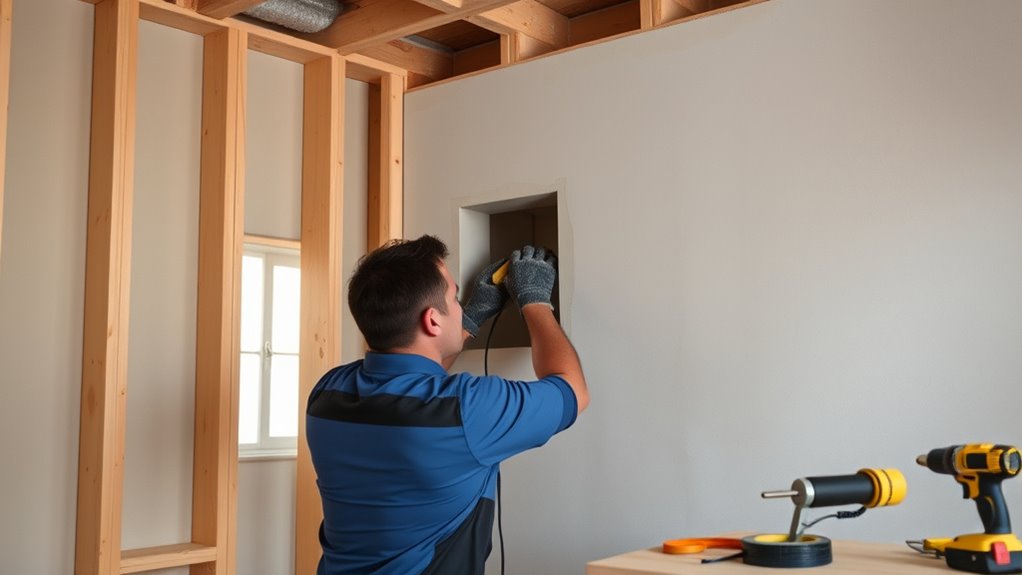

Like a skilled architect designing a blueprint, you need to approach running cables through walls with precision and care. It’s not just about making a hole; it’s about understanding the structure behind the surface to avoid damage and guarantee safety. With the right tools and techniques, you can bypass common pitfalls and achieve a clean, professional result. But where do you start, and what steps are essential to get it right?
Key Takeaways
- Use a stud finder and voltage detector to locate wall studs, pipes, and electrical wiring before drilling.
- Plan the cable route carefully, marking entry and exit points to avoid existing utilities.
- Drill slowly with appropriate tools, wearing safety glasses, and ensure power is off in the work area.
- Feed cables gently through holes, avoiding sharp bends or pinching to prevent internal damage.
- Seal drilled holes with wall filler and secure cables properly to maintain wall integrity and safety.

Running cables through walls might seem straightforward, but doing it safely requires careful planning and proper techniques. Before you start, consider wireless alternatives that can reduce the need for extensive wiring. Wireless technology, like Wi-Fi and Bluetooth, can handle many tasks without the hassle of running physical cables, making your setup cleaner and easier to manage. However, for those situations where wired connections are necessary, proper cable management becomes essential to ensure safety and functionality.
Wireless options like Wi-Fi and Bluetooth can often reduce the need for running cables through walls.
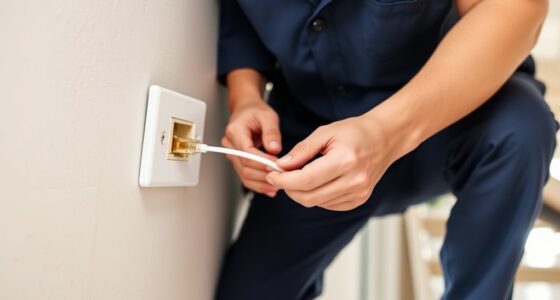
First, identify the route you want your cables to take. Use a stud finder to locate wall studs, pipes, and electrical wiring to avoid accidental damage. Once you know where obstacles are, plan a path that minimizes the risk of hitting existing utilities. Mark your entry and exit points carefully, and make sure they’re accessible for future adjustments or repairs. If you’re running multiple cables, think about organizing them with cable management solutions like clips, conduits, or raceways. This not only keeps your cables neat but also prevents tangling, damage, or accidental disconnections down the line.
When it comes to actually creating holes, use the right tools—preferably a drill with a spade or hole saw bit suitable for drywall or wood. Be cautious and go slow; cutting too hastily can cause damage to wiring or pipes hidden behind the wall. Always wear safety glasses and ensure the power is turned off in your work area to avoid electrical hazards. If you’re unsure whether the wall contains wiring, consider using a voltage detector before drilling. Once the holes are made, feed the cables through carefully, ensuring they don’t get pinched or bent sharply, which could compromise their integrity.
As you run the cables, keep them close to the wall surface and avoid tight bends or kinks that might damage the internal wiring. Use cable clips or ties to secure them along the wall’s framing, maintaining a tidy appearance and preventing accidental pulls. Proper cable management not only looks better but also prolongs the lifespan of your cables. When finished, seal around the entry points with wall putty or other appropriate filler to keep the wall intact and prevent drafts or pests from entering. Incorporating knowledge about home organization can help you plan a more efficient and clutter-free setup for your cables and devices.

Walabot DIY 2 – Visual Stud Finder & Wall Scanner for Drywall. Detects Wood & Metal Studs, Plastic & Metal Pipes, Live & Non-Live Wires
Visually identifies the center of wood/metal studs and track pipes and wires
As an affiliate, we earn on qualifying purchases.
Frequently Asked Questions
Can I Run Cables Without Turning off the Main Power?
You shouldn’t run cables without turning off the main power, as it’s vital for your safety and preventing electrical hazards. Even if the cable insulation seems sturdy, live wiring can cause shocks or fires. Always switch off the power, wear protective gear, and make certain fire safety measures are in place. This minimizes risks and keeps your work safe while maintaining proper cable safety standards.
What Tools Are Essential for Cable Installation Through Walls?
You’ll need essential tools like a drywall saw or oscillating multi-tool for wall opening techniques, a fish tape or wire puller for cable management, and a drill with various bits. A stud finder helps locate studs and avoid electrical wiring. Use these tools to carefully cut openings, run cables smoothly, and guarantee a secure, organized installation. Always prioritize safety and proper cable routing to prevent damage and maintain code compliance.
How Do I Identify Safe Spots to Drill in Walls?
You should use a stud finder to locate wall studs and prevent unsafe spots. Move the device along the wall and mark areas where it detects a wall stud, typically indicating safe drilling spots. Stay clear of electrical outlets, pipes, or wiring, which you can identify by their outlines or use an electronic detector. Drilling between studs minimizes risk and ensures your cables stay secure and safe inside the wall.
Are There Specific Cables Recommended for Wall Running?
For wall running, you’ll want to select cable types that are designed for in-wall use, like Plenum or CL2-rated cables, which guarantee wall compatibility and safety. These cables have insulation that’s fire-resistant and meet building codes. Avoid using standard extension cords or non-rated cables, as they can pose safety hazards. Always verify the cable’s specifications to make sure it’s suitable for in-wall installation and adheres to local electrical codes.
How Do I Avoid Damaging Existing Electrical Wiring?
To avoid damaging existing electrical wiring, you should carefully locate electrical circuits using a stud finder with wiring detection. Always turn off power at the breaker box to guarantee electrical safety before cutting or drilling. Keep your cables away from wall insulation and electrical lines, and use insulated tools to prevent accidental shorts. Double-check your plans and proceed slowly, respecting wiring placements to prevent costly damage or hazards.
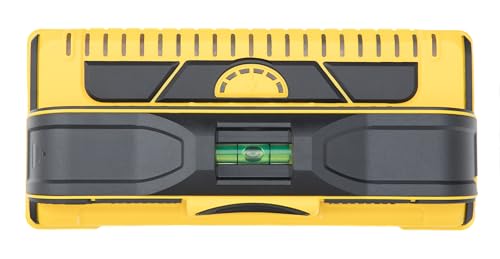
Franklin Sensors Prosensor M210 Stud Finder With 13-Sensors, Wood & Metal Stud Detector/Wall Scanner, Live Wire Detection, Made in the USA
Higher accuracy, better technology: with 13 patented sensors, the M210 detects studs more accurately
As an affiliate, we earn on qualifying purchases.
Conclusion
By planning carefully and taking your time, you can navigate the wall’s hidden pathways with confidence. Think of it as gently guiding a secret passage, ensuring every step is smooth and secure. When you respect the walls’ quiet structure and treat the cables with care, you’ll create a safe, tidy setup that lasts. With patience and attention, you’ll find yourself with a beautifully woven network—silent, unseen, and perfectly in place.

BOSCH GMS120-27 Professional Wall Scanner, Multi-Function Stud Finder, and Live Wire Detector for Electricians, Plumbers & Contractors
PRO-GRADE MULTI-FUNCTION DETECTION: Stop guessing, start knowing. This is not a simple stud finder; it is a professional-grade...
As an affiliate, we earn on qualifying purchases.

Premium Wall Scanner Stud Finder, Electronic Wall Stud Detector for Wood, Metal Studs, AC Wires, Joists, Pipes, Wire and Water Pipe Stud Finder, Visible Positioning Hole for Accurate Center Detection
1. Advanced 6-in-1 Detection Capability: This electronic wall stud detector incorporates advanced technology to accurately detect wood, metal...
As an affiliate, we earn on qualifying purchases.