Did you know that nearly 60% of small businesses experience network downtime each year? Building a reliable, secure office network from scratch can seem intimidating, especially when considering both hardware choices and security measures. Proper planning can prevent costly issues down the line, but understanding where to start is key. If you want to establish a network that’s both efficient and protected, it’s worth exploring the essential steps involved.
Key Takeaways
- Plan a scalable network layout with proper placement of access points and VLANs for security and coverage.
- Use private IP ranges, assign static IPs for critical devices, and implement DHCP for dynamic device management.
- Select routers and switches supporting current standards like Gigabit Ethernet and Wi-Fi 6 to ensure future growth.
- Enable security features such as WPA3 encryption, disable WPS, and regularly update firmware to protect the network.
- Implement QoS, network segmentation, and monitoring to optimize performance and maintain network integrity.

Designing a small office network involves creating a reliable and efficient infrastructure that supports your daily operations. One of your first priorities should be establishing a secure wireless network, ensuring your staff can connect seamlessly without compromising security. Wireless security isn’t just about setting a password; it’s about implementing strong encryption protocols like WPA3, disabling WPS, and regularly updating firmware on your wireless routers. You want to prevent unauthorized access while maintaining ease of use for your team. When planning wireless security, consider the physical placement of your access points to minimize dead zones and interference, which can degrade performance and compromise security.
Secure your office Wi-Fi with WPA3, proper placement, and firmware updates to ensure seamless, safe connectivity.
Next, you need to think about IP addressing, which is fundamental for organizing your network and enabling devices to communicate smoothly. Using a structured IP addressing scheme, such as private IP ranges (like 192.168.x.x), helps you manage your network efficiently. Assign static IP addresses to critical devices like printers, servers, and network infrastructure to ensure consistent access and easier troubleshooting. For general workstations and mobile devices, dynamic IP addresses assigned via DHCP simplify network management, allowing devices to join or leave without manual configuration. Proper subnetting is also essential—dividing your network into subnets can improve security and performance, isolating sensitive systems from regular user traffic. Additionally, understanding cookie types can be useful in managing network security policies and user privacy.
As you design your network, make sure your router or firewall can handle the expected traffic and provides features like Quality of Service (QoS) to prioritize business-critical applications. This ensures that activities like voice calls, video conferencing, or data transfers aren’t interrupted by less important traffic. Consider setting up VLANs if your office requires segmentation; this adds an extra layer of security by isolating different departments or device types, reducing the risk of lateral threats.
In addition, plan for scalability. Your network should accommodate future growth, whether that means adding more devices or expanding your office space. Use equipment that supports current standards like Gigabit Ethernet and Wi-Fi 6 to future-proof your setup. Always keep security in mind—regularly change passwords, update firmware, and monitor network activity for suspicious behavior.

TP-Link AX1800 WiFi 6 Router (Archer AX21) – Dual Band Wireless Internet, Gigabit, Easy Mesh, Works with Alexa – A Certified for Humans Device, Free Expert Support
DUAL-BAND WIFI 6 ROUTER: Wi-Fi 6(802.11ax) technology achieves faster speeds, greater capacity and reduced network congestion compared to…
As an affiliate, we earn on qualifying purchases.
As an affiliate, we earn on qualifying purchases.
Frequently Asked Questions
How Do I Secure My Small Office Network Effectively?
You can secure your small office network effectively by setting up strong firewall configurations to block unauthorized access. Regularly update your firewall rules and firmware to stay protected. Additionally, invest in employee training to educate staff about cybersecurity best practices, such as avoiding phishing scams and recognizing suspicious activity. Combining technical safeguards with informed employees creates a robust defense, reducing the risk of breaches and ensuring your network stays secure.
What Is the Best Wi-Fi Setup for Small Offices?
You should opt for a wireless mesh system for reliable coverage, as it helps eliminate dead zones. Place access points strategically, ideally near the center of your office and away from interference sources, to guarantee strong signals everywhere. This setup provides seamless connectivity for your team, enhances network performance, and is easy to expand as your office grows. Proper access point placement and a mesh network optimize your Wi-Fi experience.
How Can I Prioritize Bandwidth for Critical Applications?
You can prioritize bandwidth for critical applications through effective bandwidth management and application prioritization. Use quality of service (QoS) settings on your router to assign higher priority to essential apps like VoIP or video conferencing. This guarantees they receive the necessary bandwidth, reducing lag and interruptions. Regularly monitor network performance to adjust priorities as needed, keeping your critical applications running smoothly without disrupting overall network performance.
What Are Common Network Troubleshooting Steps?
When troubleshooting a network, start by checking physical connections with cable testing to identify any damaged or loose cables. Next, verify the IP configuration to make certain devices have correct IP addresses and subnet masks. For example, if your office can’t access the internet, testing cables and confirming IP settings can quickly identify issues. These steps help isolate hardware or configuration problems and get your network running smoothly again.
How Often Should I Update My Network Hardware?
You should update your network hardware based on its lifecycle and your upgrade timetable, typically every 3 to 5 years. Regular updates ensure peak performance, security, and compatibility with new technology. Keep an eye on hardware performance, security vulnerabilities, and manufacturer recommendations. When your equipment nears the end of its lifecycle or starts causing issues, it’s time to plan an upgrade to maintain a reliable network.

B00A128S24
As an affiliate, we earn on qualifying purchases.
As an affiliate, we earn on qualifying purchases.
Conclusion
Building your office network is like planting a sturdy tree—you set strong roots with secure, well-planned infrastructure, and watch it grow resilient and fruitful. By selecting the right equipment, segmenting your traffic, and maintaining security, you create a foundation that supports your business’s future. Keep nurturing your network with updates and monitoring, so it remains healthy and vibrant. A well-designed network isn’t just the backbone—it’s the thriving tree that sustains your success.
TP-Link AX1800 WiFi 6 Router (Archer AX21) – Dual Band Wireless Internet, Gigabit, Easy Mesh, Works with Alexa – A Certified for Humans Device, Free Expert Support
DUAL-BAND WIFI 6 ROUTER: Wi-Fi 6(802.11ax) technology achieves faster speeds, greater capacity and reduced network congestion compared to…
As an affiliate, we earn on qualifying purchases.
As an affiliate, we earn on qualifying purchases.
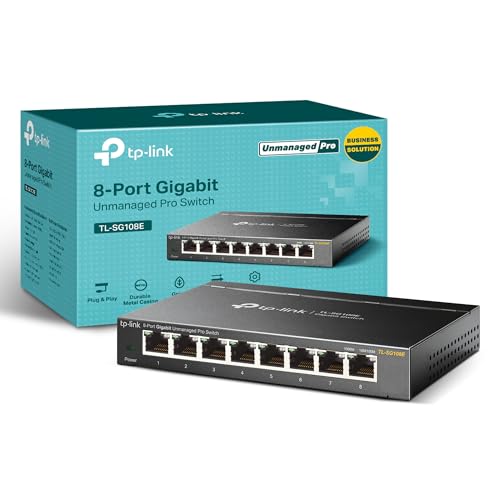
TP-Link 8 Port Gigabit Switch | Easy Smart Managed | Plug & Play | Desktop/Wall-Mount | Sturdy Metal w/ Shielded Ports | Support QoS, Vlan, IGMP and LAG (TL-SG108E)
𝟴 𝗚𝗶𝗴𝗮𝗯𝗶𝘁 𝗘𝘁𝗵𝗲𝗿𝗻𝗲𝘁 𝗣𝗼𝗿𝘁𝘀: expand your network with 8 high-speed ethernet ports
As an affiliate, we earn on qualifying purchases.
As an affiliate, we earn on qualifying purchases.