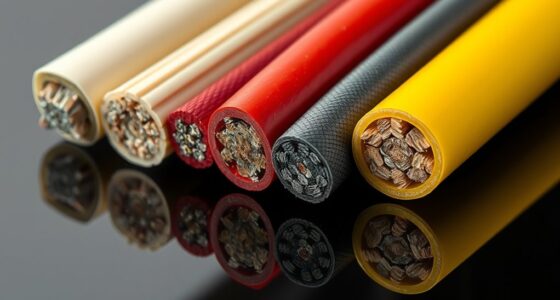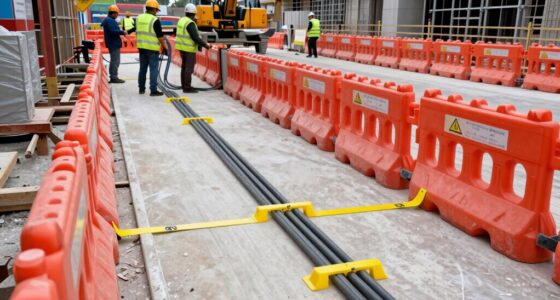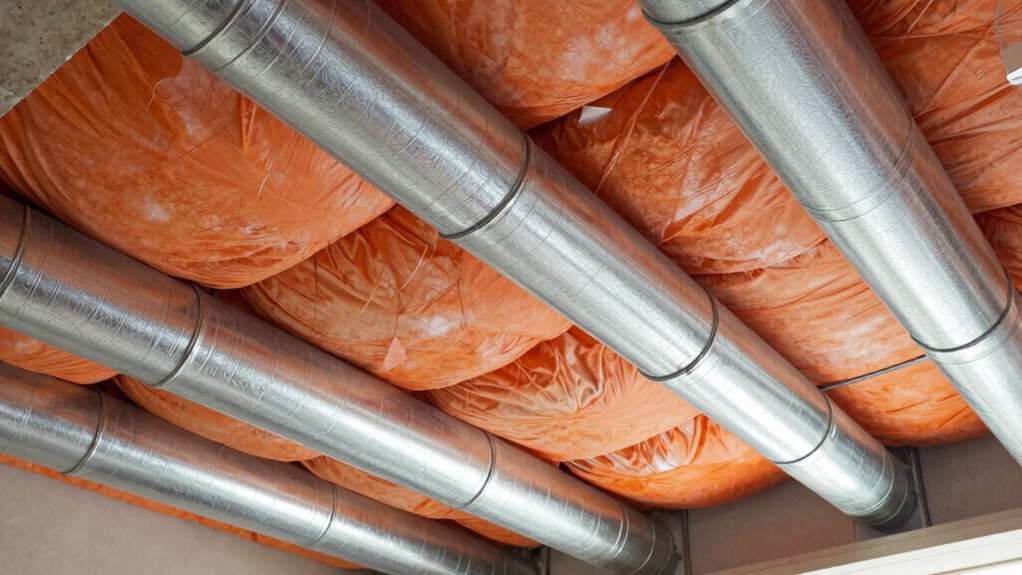

In renovation projects, plenum ratings matter more because they help you stay compliant with safety and fire regulations. Using non-rated materials can introduce toxins, increase fire risks, and cause legal issues, delaying your project. Properly rated materials ensure good indoor air quality and overall safety for everyone. Choosing the right materials now can save you headaches later. Keep going to discover how prioritizing these ratings makes your renovation safer and smoother.

Get networking and server gear delivered free — and shop member deals
- Fast, free delivery on millions of items
- Access to Prime Big Deal Days deals on October 6–7
- Prime Video, Amazon Music and more included
Key Takeaways
- Renovations often disturb existing systems, increasing fire and air quality risks, making compliant plenum-rated materials essential.
- Older buildings may lack current safety standards, requiring upgraded, rated materials to meet modern regulations.
- Renovation projects typically involve tighter timelines, so using approved materials helps ensure smoother inspections and approvals.
- Non-compliant materials pose higher safety hazards during renovations, such as fire spread and toxic emissions, necessitating proper ratings.
- Prioritizing plenum-rated materials during renovation ensures ongoing compliance, safety, and indoor air quality for occupants.
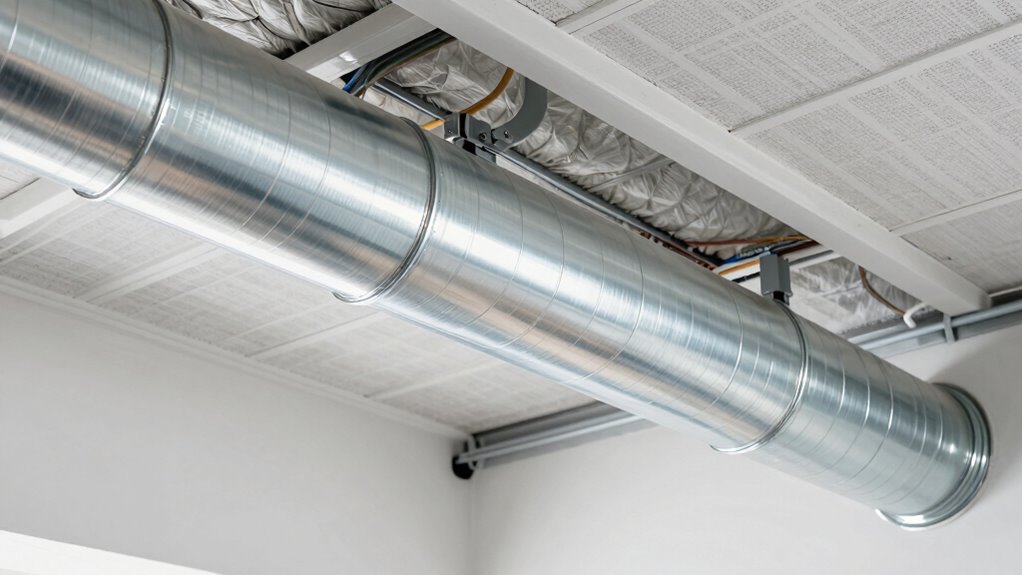
When renovating a building, understanding plenum ratings is essential for ensuring safety and compliance. During a renovation, you might be updating HVAC systems, installing new wiring, or reconfiguring spaces. In all these cases, knowing the plenum rating of your materials is critical because it directly impacts both air quality and fire safety. The plenum space—the area between the ceiling and the structural ceiling or under the floor—serves as a pathway for air circulation, and if you choose the wrong materials, you risk compromising these vital functions.
Air quality is one of the main reasons to pay attention to plenum ratings. If you install non-compliant cables or insulation in the plenum, you could introduce pollutants or airborne toxins into the ventilation system. This not only degrades indoor air quality but also poses health risks to building occupants. During renovation, you might be tempted to use cheaper or readily available materials, but doing so without considering their plenum ratings can lead to long-term issues. Using materials rated for plenum spaces ensures that any emissions are minimized, keeping the air cleaner and healthier for everyone inside. Additionally, selecting properly rated materials can significantly reduce the risk of legal and insurance complications that arise from non-compliance. Failing to consider these ratings can also impact the overall safety and durability of the building, especially in the long run.
Using plenum-rated materials minimizes emissions, ensuring cleaner, healthier indoor air during and after renovation.
Fire safety is equally crucial and often more urgent during renovation. Non-rated materials can be highly flammable or emit toxic smoke if they catch fire, creating dangerous conditions that threaten lives and property. Building codes specify the use of plenum-rated materials because they are tested to resist ignition and release fewer toxic fumes when exposed to heat. If you neglect these ratings, you could inadvertently violate fire safety regulations, risking hefty fines, insurance complications, or even catastrophic consequences in case of a fire. During renovation, when the building’s fire safety systems might be temporarily compromised or under stress due to construction activities, using fire-safe materials becomes even more critical.
Additionally, many building codes and standards require specific ratings for materials used in plenum spaces. Ignoring these guidelines can result in delays, fines, or the need for costly remediations after inspections. In renovation projects, you want to streamline the process, and choosing materials with proper plenum ratings helps you do that. It simplifies compliance and reduces the chance of issues during inspections, ensuring your project stays on track.
Ultimately, understanding and applying plenum ratings isn’t just about ticking boxes; it’s about protecting air quality, ensuring fire safety, and adhering to regulations. Recognizing the importance of material safety testing during renovation is crucial because it ensures that the materials used are suitable for their designated spaces. When you prioritize these ratings during renovation, you create a safer, healthier environment that complies with standards and minimizes risks. It’s a small step with significant benefits that safeguard both your project and the building’s future.
As an affiliate, we earn on qualifying purchases.
Frequently Asked Questions
How Do Plenum Ratings Affect Overall Building Safety?
Plenum ratings directly impact your building’s safety by ensuring fire safety and maintaining proper ventilation performance. When you use plenum-rated materials, they resist fire and don’t emit toxic fumes, reducing hazards during a fire. This helps contain flames and smoke, protecting occupants. Additionally, good ventilation performance is preserved, preventing smoke buildup and ensuring fresh air circulation, which keeps your building safer and compliant with safety codes during renovations or upgrades.
Are Plenum-Rated Materials More Expensive Than Non-Rated Options?
Yes, plenum-rated materials often cost more than non-rated options, ironically because they prioritize fire safety and material compatibility. You might think safety comes at a premium, but in renovation projects, investing in these materials saves you money long-term by reducing fire hazards and ensuring code compliance. While they may seem pricier upfront, the peace of mind they provide makes them worth every extra penny.
Can Retrofitting With Plenum-Rated Materials Improve Energy Efficiency?
Retrofitting with plenum-rated materials can improve energy efficiency by enhancing fire safety and air quality. These materials are designed to prevent the spread of fire and smoke, which keeps HVAC systems running safely and efficiently. By reducing the risk of fire hazards and maintaining cleaner air, you minimize energy loss and improve overall system performance. This proactive upgrade not only boosts safety but also helps save on energy costs in the long run.
What Are the Environmental Impacts of Using Plenum-Rated Products?
You might think using plenum-rated products is just about fire safety, but it also impacts the environment. These materials are designed for durability and low smoke emission, reducing toxic waste if they do burn. While they’re safer and last longer, their production can have a higher environmental footprint. Still, their ability to prevent hazardous fumes aligns with eco-friendly goals by minimizing harmful emissions during a fire incident.
How Often Should Plenum-Rated Components Be Inspected or Replaced?
You should inspect plenum-rated components annually to guarantee fire safety and material durability. Regular checks help identify signs of wear, damage, or degradation that could compromise safety standards. Replace any components showing deterioration or damage promptly to prevent fire hazards. Consistent inspection and timely replacement keep your ventilation systems compliant, maintain safety, and extend the longevity of the materials, ultimately protecting everyone in the space.
As an affiliate, we earn on qualifying purchases.
Conclusion
Think of plenum ratings as the shield that guards your building’s airspace, much like a knight’s armor protects a castle. In renovation projects, choosing the right rating is your safeguard against unseen threats like fire and smoke spread. Without this armor, your castle’s defenses are vulnerable, risking safety and costly damage. So, always prioritize plenum ratings—you’re equipping your project with the strongest armor to guarantee safety and peace of mind.
As an affiliate, we earn on qualifying purchases.
non-toxic insulation for plenum spaces
As an affiliate, we earn on qualifying purchases.
As an affiliate, we earn on qualifying purchases.
Halloween Picks
halloween
As an affiliate, we earn on qualifying purchases.