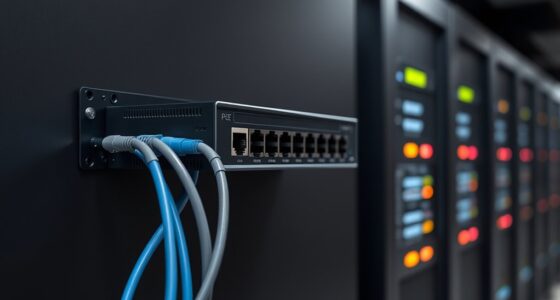
Protecting fiber optic cables from tapping is essential for maintaining data security and integrity. You need to contemplate both physical safeguards and encryption methods to prevent unauthorized access. While installing cables in secure conduits or underground offers some protection, sophisticated attackers can still find ways to intercept signals. Understanding how to effectively shield your infrastructure and implement strong encryption can make all the difference in safeguarding sensitive information—something you can’t afford to overlook.
Key Takeaways
- Implement end-to-end encryption protocols like AES and SSL/TLS to prevent data interception.
- Use secure physical infrastructure such as underground conduits, fencing, and tamper-evident seals.
- Install intrusion detection systems and surveillance to monitor for unauthorized access or tampering.
- Regularly inspect and maintain physical safeguards to detect early signs of tampering or damage.
- Combine physical security with updated encryption strategies for a layered, robust defense against tapping.

Fiber optic cables are widely used for high-speed data transmission because they offer superior bandwidth and security compared to traditional copper wires. Yet, despite their advanced technology, fiber cables are not immune to security threats like tapping. Protecting these cables requires a combination of effective encryption methods and physical safeguards. Encryption plays a essential role in safeguarding data as it travels through the fiber, ensuring that even if someone intercepts the signal, they can’t decipher the information without the correct decryption keys. Implementing strong, up-to-date encryption protocols such as AES (Advanced Encryption Standard) or SSL/TLS helps to secure sensitive data from unauthorized access. Regularly updating encryption algorithms and keys is extremely important because cyber threats evolve constantly, and older methods may become vulnerable over time. You should also consider end-to-end encryption to guarantee that data remains protected from source to destination, minimizing the risk of interception at any point along the transmission path. Additionally, employing encryption protocols that are resistant to emerging cyber threats can further strengthen your security posture.
Physical safeguards are equally indispensable for maintaining fiber optic security. Since physical access to the cables can potentially lead to tapping or damage, you need to deploy measures like secure conduits, fencing, and surveillance to restrict access to the infrastructure. Installing fiber cables underground or within protected ducts reduces exposure to external threats, making unauthorized tapping considerably more difficult. Additionally, using tamper-evident seals and alarms on access points alerts you immediately if someone attempts to interfere with the cables. Regular inspections and maintenance help detect signs of tampering early, preventing potential data breaches. You should also consider implementing intrusion detection systems that monitor physical and environmental conditions around the fiber infrastructure, providing real-time alerts if suspicious activity occurs.
Combining encryption methods with physical safeguards creates a layered security approach that markedly reduces the risk of tapping. For example, even if an attacker manages to physically access the cable, strong encryption ensures that intercepted data remains unintelligible. Conversely, robust physical protection prevents or complicates unauthorized access, making tapping more challenging and less likely to succeed. Security is an ongoing process, so staying informed about emerging threats and continuously updating both your encryption strategies and physical security measures is essential. By proactively safeguarding your fiber optic network, you protect your data’s confidentiality, integrity, and availability, ensuring your high-speed connections remain secure against tapping and other malicious activities.

TP-Link Omada SX3008F | 8 Port 10G SFP+ Enterprise Level Switch | L2+ Smart Managed | Omada SDN Integrated | IPv6 | Static Routing | L2/L3/L4 QoS, IGMP & LAG | 5 Year Manufacturer Warranty
【10G Lightning-Fast Connections】8× 10 Gbps SFP+ Ports enable high-bandwidth connectivity and non-blocking switching capacity.
As an affiliate, we earn on qualifying purchases.
Frequently Asked Questions
Can Fiber Optic Cables Be Tapped Without Detection?
Yes, fiber optic interception can occur without detection, but it’s rare. Skilled intruders might tap into cables using sophisticated equipment that minimizes visible signs, making tapping detection challenging. To prevent this, you should implement regular inspection protocols, monitor for unusual activity, and use specialized sensors designed to detect tampering. Staying vigilant helps you catch any unauthorized access early, ensuring your fiber optic network remains secure from covert tapping attempts.
What Are the Signs of a Compromised Fiber Optic Cable?
Did you know that over 60% of fiber optic cable failures are due to undetected tampering or damage? If your fiber optic inspections reveal unusual signal loss, increased noise, or physical signs like cracks and abrasions, your cable’s integrity might be jeopardized. These signs point to potential tapping or damage, so regular checks are essential to ensure the security and proper functioning of your network.
How Does Encryption Enhance Fiber Optic Security?
Encryption enhances fiber optic security by making your data unreadable to unauthorized users. When you implement fiber encryption, it guarantees data confidentiality, even if someone taps into the cable. You can protect sensitive information from interception and tampering, maintaining privacy. This added layer of security helps you confidently transmit data over fiber optic networks, knowing that encryption safeguards your communications against potential threats and eavesdropping attempts.
Are There Legal Regulations for Tapping Fiber Optic Cables?
Did you know that unauthorized tapping of fiber optic cables can lead to hefty fines and imprisonment? Yes, legal regulations strictly govern tapping, requiring strict legal compliance and adherence to regulatory standards. You must follow these rules to protect sensitive data and avoid penalties. Laws vary by country, but ensuring your operations align with local and international regulations is essential for security and legal peace of mind.
What Are the Latest Technologies for Detecting Fiber Optic Tapping?
You can detect fiber optic tapping using advanced fiber optic sensors designed for intrusion detection. These sensors monitor changes in light signals, vibrations, or temperature along the cable, alerting you to potential tapping attempts. Technologies like Distributed Acoustic Sensing (DAS) and Optical Time Domain Reflectometry (OTDR) help identify anomalies indicative of tampering. By deploying these systems, you enhance security and promptly respond to any unauthorized access.
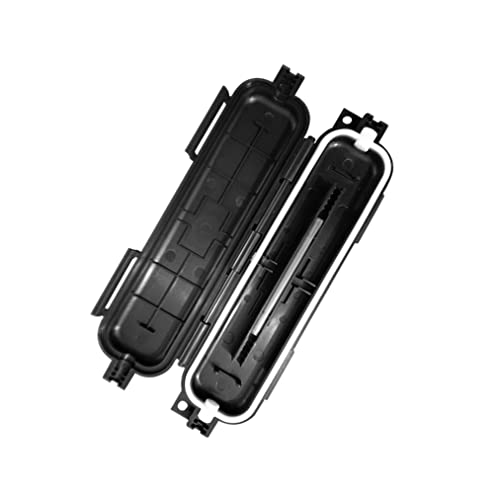
FTTH Fiber Optic Protective Box Heat Shrinkable Tube Waterproof Drop Cable Case Protective Box Shell - 2PCS
Heat shrinkable tube waterproof drop cable box
As an affiliate, we earn on qualifying purchases.
Conclusion
By combining physical safeguards with strong encryption, you can effectively protect your fiber optic cables from tapping. Some might think these measures are costly or cumbersome, but investing in secure conduits, tamper-evident seals, and encryption is essential for safeguarding your data. Don’t wait until an intrusion happens—proactive security guarantees your information stays confidential and maintains integrity. With consistent monitoring and updates, you’ll stay ahead of potential threats and keep your network secure.

Fibershack - Fiber Optic Dust Cap Kit - 3 Pack Set of Fiber Dust Caps in a Snap Lock Case - Desgined to fit 1.25mm LC, 2.5mm SC/ST/FC & Red ST Bulkhead & Optical Dust Cover End Faces
The Essential Fiber Cleaning Kit Accessory - Our 440 unit Fiber optic dust cap Kit 3 pack helps...
As an affiliate, we earn on qualifying purchases.

Duttek 20 Pcs Fiber Optic Poctection Box (Rectangle), PVC Splice Closure Organizer for SC/APC LC Connectors, Indoor Use Only Optical Fiber Cable Management Case
20 pcs of x open type optical fiber splicing protection sleeve box, 3.24in x 0.55in x 0.42in inoptical...
As an affiliate, we earn on qualifying purchases.