While safety gear might seem like a simple necessity, it’s often what keeps you safe when you least expect danger. Overlooking proper protective equipment can lead to serious injuries or accidents that could have been prevented. Ensuring you have the right gear and know how to use it properly isn’t just a good idea—it’s essential for your safety and the success of every job. But what exactly should you be wearing on the job?
Key Takeaways
- Installers should wear durable protective clothing, including long sleeves and pants, to prevent cuts and abrasions during work.
- Use high-visibility gear to enhance visibility and safety in busy or low-light environments.
- Equip fall prevention gear such as harnesses, lanyards, and anchor points, ensuring proper fit and regular inspection.
- Incorporate additional safety measures like guardrails and safety nets for comprehensive fall protection.
- Conduct regular safety gear inspections and ensure proper training on equipment use before starting work.
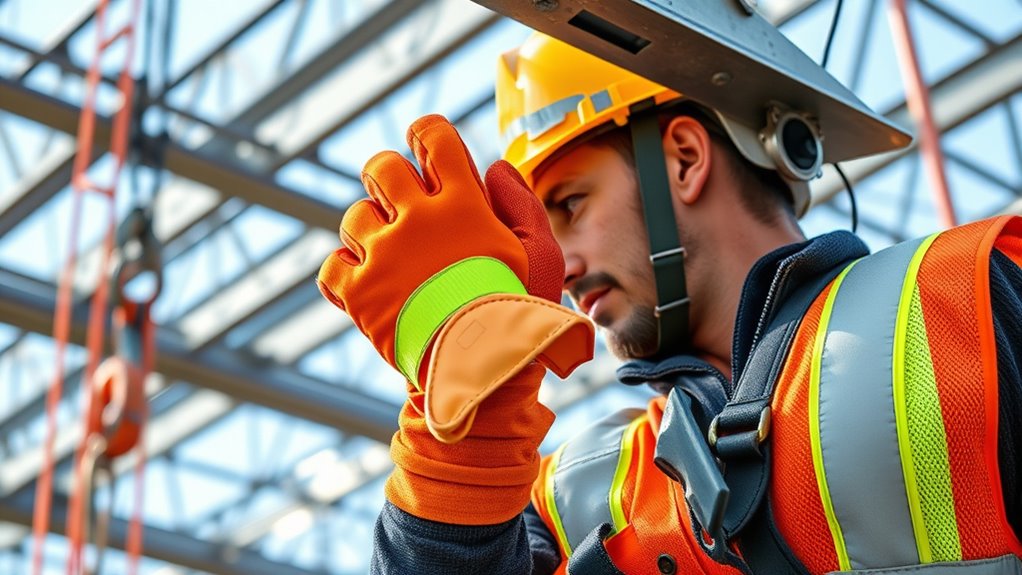
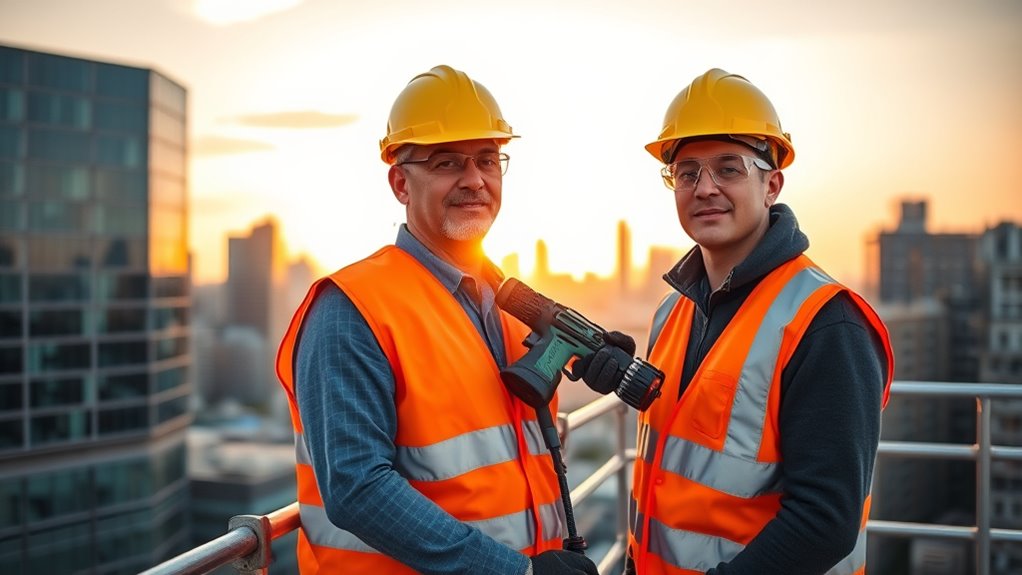
When working at heights or handling heavy equipment, safety gear isn’t just recommended—it’s indispensable. As an installer, your protection depends on the right gear to minimize risks and keep you safe. Protective clothing plays a critical role in shielding your body from potential injuries, whether it’s from falling objects, sharp edges, or environmental hazards. You should opt for durable, high-visibility clothing that resists tears and provides visibility in busy work environments. Long sleeves and pants made from tough materials can prevent cuts and abrasions, while gloves protect your hands from splinters, electrical contact, and chemicals. Wearing the appropriate protective clothing ensures that you’re prepared for unexpected accidents and helps you stay comfortable during long shifts. Regularly inspecting your gear can prevent equipment failure when you need it most.
Fall prevention equipment is key when working at heights. No matter how experienced you are, a fall can happen in a split second. Your fall prevention gear, such as harnesses, lanyards, and anchors, is designed to secure you and prevent serious injuries. Always double-check that your harness fits correctly and that all connection points are secure before starting any work. Proper training on how to use fall prevention equipment is just as important as having it. Make sure your harness is compatible with the anchors available at your worksite, and inspect all equipment regularly for signs of wear or damage. Fall prevention equipment is your first line of defense against falls, and neglecting it can have devastating consequences.
In addition to harnesses and lanyards, you should use other fall protection measures, such as guardrails or safety nets when possible. These can provide an extra layer of security, especially during tasks that require extended periods at height. Remember, relying solely on one piece of equipment isn’t enough; combining multiple safety measures creates a safer environment. It’s also essential to ensure your protective clothing and fall prevention gear are comfortable and suited for the specific conditions of your job. Breathable, moisture-wicking fabrics can keep you cool, while insulated gear is necessary in colder environments. Staying informed about merchant services and their safety implications can further enhance your preparedness on the job site.
Ultimately, your safety depends on your commitment to wearing the right gear at all times. Never take shortcuts or assume that safety equipment isn’t necessary. Proper protective clothing and fall prevention equipment are investments in your well-being, helping you perform your job effectively and return home safely every day. Prioritize safety, stay vigilant, and always inspect your gear before starting work. Your life and health are worth it.

JKSafety 9 Pockets Class 2 High Visibility Zipper Front Safety Vest With Reflective Strips,Meets ANSI/ISEA Standard (Large, 150-Yellow)
MATERIALS: 100% Polyester H-Vis Reflective Material, Durable, Breathable, Lightweight and Machine Washable. Customers who prefer a Loose Fit…
As an affiliate, we earn on qualifying purchases.
As an affiliate, we earn on qualifying purchases.
Frequently Asked Questions
What Are the Latest Advancements in Installer Safety Gear Technology?
You’ll find that the latest advancements in installer safety gear include smart textiles and wearable sensors. These innovations actively monitor your essential signs, environmental conditions, and fatigue levels in real-time, alerting you to potential hazards. Smart textiles provide durable, flexible protection, while wearable sensors enhance safety by offering immediate feedback. Together, these technologies create smarter, more responsive safety gear that keeps you safer on the job site.
How Do Weather Conditions Affect Safety Gear Effectiveness?
Ironically, harsh weather seems to test your safety gear’s durability more than any hazard on the job. Rain, wind, or extreme heat can weaken materials or cause slippery surfaces, reducing gear effectiveness. Weather impact on safety gear is real; it demands high-quality, weather-resistant materials to keep you protected. When conditions worsen, your gear’s ability to withstand the elements becomes essential, ensuring your safety isn’t compromised just because the weather decided to turn against you.
Are There Specific Safety Gear Requirements for Different Installation Environments?
Yes, you need to use site-specific hazards to determine the right safety gear. For example, in high-altitude installations, harnesses and fall protection are essential, while in chemical environments, you should wear chemical-resistant gloves and goggles. Always assess the environment first, then select personal protective equipment accordingly. This approach guarantees you stay protected against unique risks, making your safety gear effective and compliant with safety standards.
How Often Should Safety Gear Be Inspected and Replaced?
Did you know that 80% of safety gear failures occur due to neglecting inspection and replacement? You should inspect your safety gear before each use and follow the manufacturer’s recommended inspection frequency, usually every 3 to 6 months. Substitute gear promptly if it shows signs of wear, damage, or after a certain period, regardless of appearance, to ensure maximum protection. Regularly following inspection and replacement guidelines keeps you safe on every job.
What Training Is Needed to Properly Use Advanced Safety Equipment?
You need specialized training certification to properly use advanced safety equipment. This training covers safety protocols, making sure you understand how to operate gear correctly and safely. You should attend manufacturer-led sessions or certified safety courses, practicing proper techniques before working in the field. Staying updated on safety protocols is vital, so regularly refresh your training to maintain competence and guarantee your safety while handling complex safety equipment.
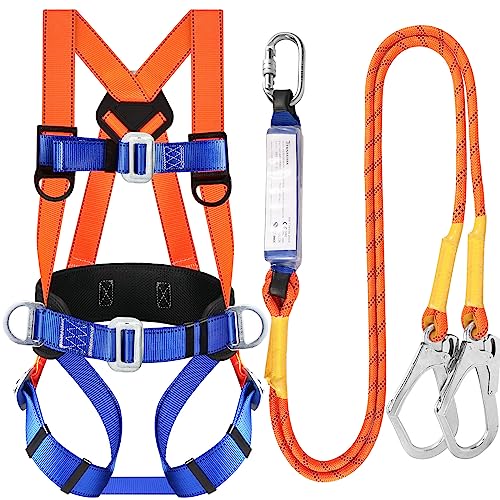
TT TRSMIMA Safety Harness Fall Protection Kit: Full Body Roofing harnesses with Shock Absorbing Lanyard – Updated Comfortable Waist Pad
DATA:PLEASE READ BEFORE PURCHASING. Size(Including buckle)! Waist 30.7-47inch, Chest: 31.5-47.3inch, Leg: 21.2-38inch, fit weigh 130-310 pounds. Best for…
As an affiliate, we earn on qualifying purchases.
As an affiliate, we earn on qualifying purchases.
Conclusion
When you prioritize the right safety gear, you’re not just protecting yourself—you’re also preventing accidents that could unexpectedly change your day. It’s easy to overlook small details until a fall or cut reminds you how vital proper gear is. Remember, safety isn’t just about equipment; it’s about how you wear it. Stay vigilant, stay prepared, and often, it’s that simple gear you least expect that ends up saving you when it matters most.

Superior Pump Jack Safety Net: Construction Safety Debris Netting, 20 ft Industrial-Strength Guard Rail Protection for Worksite Security, Scaffold Net Enclosure, Visibility Barrier, Fencing Roll
Enhanced Safety & OSHA Compliance: The pump jack safety net offers additional protection for workers by effectively catching…
As an affiliate, we earn on qualifying purchases.
As an affiliate, we earn on qualifying purchases.
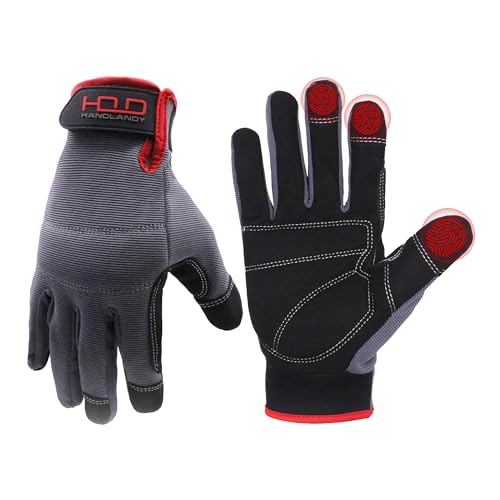
HANDLANDY Mens Work Gloves Touch screen, Synthetic Leather Utility Gloves, Flexible Breathable Fit- Padded Knuckles & Palm (Large)
Flexible & Breathable Spandex Back: Stretchable spandex back keeps your hands cool and comfortable on the job.
As an affiliate, we earn on qualifying purchases.
As an affiliate, we earn on qualifying purchases.