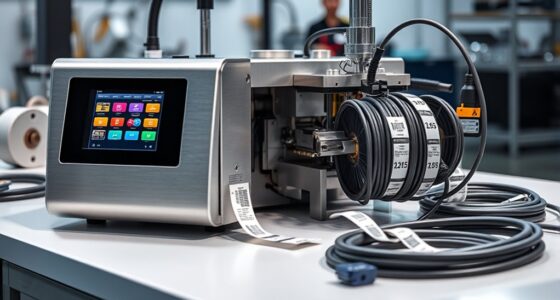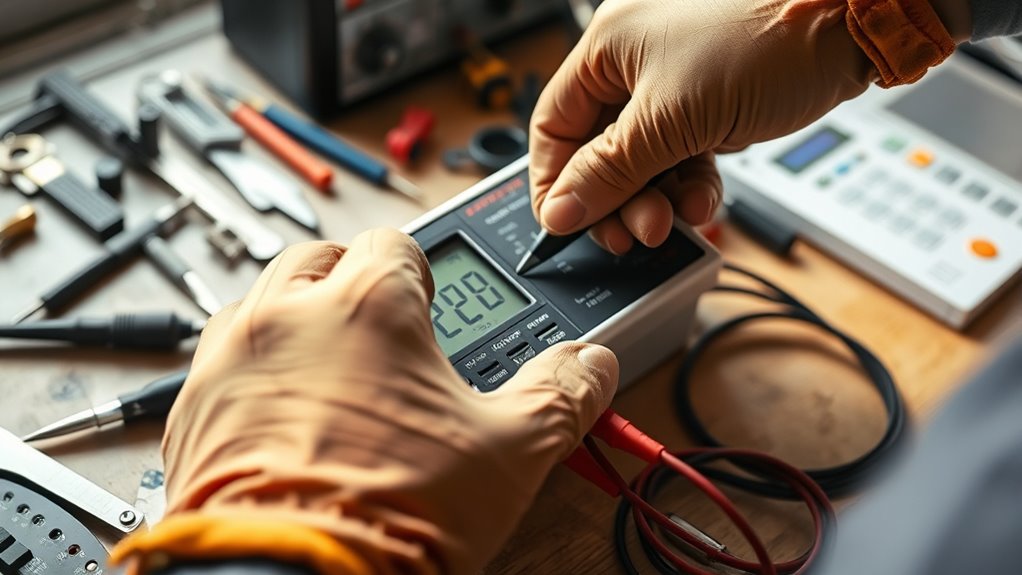

Like a well-tuned instrument, your tools require careful maintenance to perform at their best. Regular inspections, cleaning, and calibration are essential to prevent unexpected failures and guarantee safety. Skipping these steps can lead to costly downtime and compromised results. How you care for your equipment today shapes its performance tomorrow—and the key to reliable operations might just be in the routine you establish now.
Key Takeaways
- Regularly inspect tools for wear, corrosion, or damage to ensure safety and accuracy.
- Follow safety procedures, including wearing PPE, during cleaning, inspection, and calibration.
- Schedule calibration based on manufacturer guidelines, usage frequency, and environmental conditions.
- Keep detailed records of calibration activities, results, and adjustments for compliance and troubleshooting.
- Use certified standards and follow manufacturer instructions to maintain ongoing calibration and address inaccuracies.
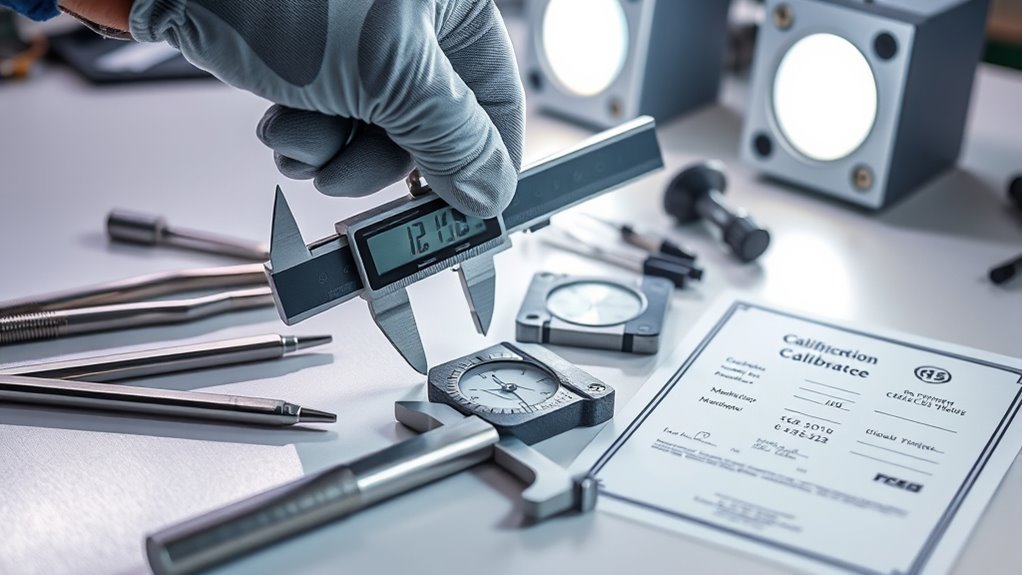
Proper tool maintenance and calibration are essential to guarantee accuracy, safety, and longevity of your equipment. When you’re working with tools that require precise measurements or specific tolerances, neglecting regular maintenance can lead to errors, safety hazards, and costly downtime. One of the most critical aspects of maintaining your tools is adhering to proper safety procedures. Always wear appropriate personal protective equipment, such as gloves, goggles, and masks, especially when cleaning, inspecting, or calibrating your tools. Following safety procedures ensures you minimize risks like injuries or accidental damage during maintenance activities. Regularly inspecting your tools for signs of wear, corrosion, or damage helps prevent potential failures that could compromise safety or accuracy. Developing a routine that includes cleaning, lubricating, and replacing worn parts extends your tools’ lifespan and maintains their ideal performance. Incorporating simple testing methods can help you verify your tools’ accuracy between calibrations and catch potential issues early.
Calibration frequency plays a significant role in guaranteeing your tools remain accurate over time. You should establish a calibration schedule based on the manufacturer’s recommendations, the intensity of use, and the working environment. For instance, precision instruments used daily might need calibration weekly or monthly, while tools used less frequently can be calibrated less often. Marking calibration dates on your calendar or using digital reminders helps you stay on top of this schedule. Consistent calibration verifies that your tools produce reliable results, which is especially essential in quality control, manufacturing, or laboratory settings. If your tools drift outside acceptable tolerances, calibration corrects these deviations, preventing erroneous measurements and potential safety issues. Keep detailed records of all calibration activities, including dates, results, and any adjustments made. These records can be indispensable for audits, troubleshooting, or if you need to demonstrate compliance with industry standards.
Additionally, calibration isn’t just a one-time task; it’s an ongoing process that maintains your tools’ accuracy. When calibrating, follow the manufacturer’s instructions carefully, and use certified calibration standards whenever possible. If you notice persistent inaccuracies or irregularities during calibration, don’t ignore them; instead, investigate and address the root cause—whether it’s a worn part or environmental factors like temperature fluctuations. Proper calibration procedures, combined with consistent safety practices, help you achieve reliable, safe operation and extend the life of your tools. Remember, neglecting calibration or safety procedures can lead to costly mistakes, compromised safety, and decreased productivity. By prioritizing these aspects, you guarantee your tools perform accurately, your work environment remains safe, and your equipment lasts longer, ultimately saving you time and money in the long run.

17 Pcs Calibration Weights Set, 10mg-100g Grams Weights Calibration, Precision Stainless Steel Calibration Weight Kit, Scale Calibration Weight Kit for Digital Balance Scale, Jewellery Scale
【Contains multiple Precision weights】- 1 x 100g, 1 x 50g, 2 x 20g, 1 x 10g, 1 x…
As an affiliate, we earn on qualifying purchases.
As an affiliate, we earn on qualifying purchases.
Frequently Asked Questions
How Often Should Calibration Be Performed for Different Tools?
You should perform calibration regularly based on each tool’s calibration frequency, which depends on usage, manufacturer recommendations, and industry standards. Maintenance schedules often specify calibration intervals—some tools need monthly checks, while others can go quarterly or annually. Keep track of calibration dates to guarantee accuracy, prevent errors, and maintain quality. Regular calibration helps you avoid costly mistakes and ensures your tools remain reliable for precise work.
What Are Common Signs Indicating Tool Calibration Is Needed?
Did you know that 75% of manufacturing errors stem from calibration issues? You should watch for signs like visual misalignment, which indicates your tools might be off, or inconsistent measurements that can compromise quality. If you notice these signs, it’s time to recalibrate. Regularly checking your tools helps prevent costly errors and keeps your process accurate, ensuring you maintain high standards and efficiency.
Are There Specific Standards or Regulations for Tool Calibration?
Yes, there are specific standards and regulations for tool calibration that you must follow to guarantee regulatory compliance. Industry standards like ISO 9001 and ANSI Z540.1 set guidelines for calibration procedures, accuracy, and documentation. These regulations help you maintain quality control and safety in your operations. By adhering to these standards, you ensure your tools are properly calibrated, reducing errors and meeting legal and industry requirements effectively.
What Are the Costs Associated With Professional Tool Calibration Services?
You’ll typically spend between $100 and $500 for professional calibration services, depending on the tool’s complexity. Interestingly, 85% of calibration errors stem from improper procedures. When choosing a service provider, ensure they have proper credentials to guarantee calibration accuracy. Investing in reputable experts might seem costly initially, but it ensures your tools perform precisely, reducing errors and costs in the long run.
How Can Improper Maintenance Affect Tool Accuracy and Safety?
Improper maintenance can lead to tool degradation, which directly impacts accuracy and safety. When you neglect regular upkeep, tools may become misaligned or worn, causing inaccuracies in measurements or cuts. This increases safety risks for you and others, as faulty tools can malfunction or cause accidents. To prevent these issues, guarantee consistent maintenance, inspections, and timely calibration, keeping your tools reliable and safe for all tasks.

DIFFLIFE 40-Piece Tool Set – General Household Hand Tool Kit with Plastic Toolbox Storage Case…
🧰【[Premium Quality】 – Made of high quality chrome vanadium steel and made of heat treated chrome, durable and…
As an affiliate, we earn on qualifying purchases.
As an affiliate, we earn on qualifying purchases.
Conclusion
By staying on top of tool maintenance and calibration, you’ll keep your equipment running smoother than a spaceship launch. Regular checks, cleaning, and proper safety procedures aren’t just routine—they’re your secret weapon against costly breakdowns and safety mishaps. Document everything, follow your calibration schedule, and troubleshoot whenever needed. Doing so guarantees your tools perform at their absolute best, saving you time, money, and headaches. Master these practices, and you’ll elevate your operations to legendary status!

G.CATACC 10 Pack Dental Tools, Professional Plaque Remover for Teeth Cleaning Tools Set, Stainless Steel Hygiene Kit with Dental Pick Tooth Scraper Plaque Tartar Remover Tongue Cleaner – with Case
10-in-1 Dental Tools Set: Achieve professional-level plaque and tartar removal at home with complete dental cleaning tools -…
As an affiliate, we earn on qualifying purchases.
As an affiliate, we earn on qualifying purchases.

7 PCS Calibration Weights, Scale Weight Set 1g 2g 5g 10g 20g 50g 100g, Carbon Steel Small Weight for Digital Scale, Gram Scale Balance, Jewelry Scale (Silver)
WEIGH SCALES CALIBRATION: 7 PCS of calibration weights include 1g, 2g, 5g, 10g, 20g, 50g, 100g, a total…
As an affiliate, we earn on qualifying purchases.
As an affiliate, we earn on qualifying purchases.