

Choosing the right network infrastructure for schools involves balancing technical depth, ease of implementation, and educational focus. For a quick start, the School Computer Network Infrastructure with Micro-Lesson offers practical teaching strategies but lacks technical detail, making it ideal for educators. The Network+ Infrastructure: Complete Study Guide covers fundamental networking concepts suitable for tech-focused staff and certification candidates, though it can be dense for beginners. For data center professionals, The Data Center Engineering Handbook provides comprehensive infrastructure design guidance, but it’s less suited for practical classroom deployment. Lastly, The School and Small Business Computer, Server and Network Guide offers step-by-step instructions perfect for schools managing their own Windows networks but falls short on hardware specifics. This roundup helps identify the best fit based on your technical background and school needs.

Get business pricing on networking and server gear
- Business-only prices and quantity discounts
- Tax-exempt purchasing
- Multiple users, one account, clear invoices
Key Takeaways
- The best choice depends on whether you need practical teaching resources, technical certification prep, or detailed infrastructure design guidance.
- For educators and administrators, simple guides with micro-lessons are more accessible, while technical staff benefit from comprehensive certifications or engineering handbooks.
- All options have tradeoffs: practical guides lack technical detail, while engineering texts can be dense and less user-friendly for non-technical staff.
- Hardware specifications are generally limited or absent, so consider your existing infrastructure before choosing a resource.
- Matching the product to your school’s technical expertise and infrastructure complexity ensures more effective deployment and management.
| School Computer Network Infrastructure with Micro-Lesson (Chinese Edition) | 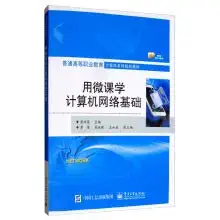 | Best for Educators Looking for Practical Teaching Strategies | Language: Chinese | Focus: Educational technology and micro-lessons | Audience: Teachers and education staff | VIEW LATEST PRICE | See Our Full Breakdown |
| Network+ Infrastructure: Complete Study Guide |  | Best for Certification Seekers and Network Tech Enthusiasts | Type: Study Guide | Focus: Network infrastructure & security fundamentals | Audience: IT professionals and students | VIEW LATEST PRICE | See Our Full Breakdown |
| The Data Center Engineering Handbook |  | Best for Data Center Professionals and Infrastructure Engineers | Focus: Data center infrastructure | Audience: Engineers and data center managers | Format: Handbook | VIEW LATEST PRICE | See Our Full Breakdown |
| The School and Small Business Computer, Server and Network Guide |  | Best for Schools Setting Up Windows Networks | Focus: Windows network setup and management | Audience: Small schools and businesses | Format: Book | VIEW LATEST PRICE | See Our Full Breakdown |
| network infrastructure for school | Focus | Audience | Format | Pages |
|---|---|---|---|---|
| School Computer Network Infras | Educational technology and micro-lessons | Teachers and education staff | Book | Approx. 200 |
| Network+ Infrastructure: Compl | Network infrastructure & security fundamentals | IT professionals and students | Printed book | Approx. 500 |
| The Data Center Engineering Ha | Data center infrastructure | Engineers and data center managers | Handbook | Approx. 800 |
| The School and Small Business | Windows network setup and management | Small schools and businesses | Book | Approx. 300 |
More Details on Our Top Picks
School Computer Network Infrastructure with Micro-Lesson (Chinese Edition)
This book stands out for its focus on integrating micro-lessons with network infrastructure principles, making it highly suitable for teachers and school administrators. While it offers practical insights into setting up and managing networks at a basic level, it doesn’t delve into technical specifications or advanced configurations. Compared with more technical guides, this resource emphasizes pedagogical strategies over detailed architecture, which can be limiting for IT staff seeking in-depth infrastructure design. It’s best suited for educational environments where the primary goal is to enhance teaching with technology rather than technical deployment.
Pros:- Provides practical insights tailored for educators
- Includes micro-lesson strategies for effective teaching
- Easy to follow for non-technical staff
Cons:- Limited technical details on network configuration
- No customer reviews available for validation
- Focuses more on pedagogy than infrastructure design
Best for: Educators and school administrators seeking practical, easy-to-understand network management strategies
Not ideal for: Experienced network engineers or IT professionals needing detailed technical specifications
- Language:Chinese
- Focus:Educational technology and micro-lessons
- Audience:Teachers and education staff
- Format:Book
- Pages:Approx. 200
- Edition:Chinese Edition
Our verdict“A useful resource for educators integrating network concepts into teaching, but not for technical deployment.”
Network+ Infrastructure: Complete Study Guide
This guide excels at providing a thorough overview of network infrastructure fundamentals, making it ideal for students preparing for Network+ certification or IT staff needing a solid technical foundation. Its detailed explanations, diagrams, and coverage of protocols and security basics help clarify complex concepts. Compared to more general guides or beginner resources, this study guide offers deeper insights into networking principles, though it can be dense for complete novices. It’s best suited for schools with staff already familiar with basic IT concepts or those seeking to formalize their network knowledge through certification.
Pros:- Comprehensive coverage of network infrastructure topics
- Clear explanations with diagrams
- Great resource for certification preparation
Cons:- No online or supplemental resources included
- Can be dense for beginners without prior networking experience
- Focuses heavily on theory, less on practical deployment
Best for: IT staff, network technicians, and certification candidates in educational settings
Not ideal for: Complete beginners or schools seeking simple, non-technical guides
- Type:Study Guide
- Focus:Network infrastructure & security fundamentals
- Audience:IT professionals and students
- Format:Printed book
- Pages:Approx. 500
- Level:Intermediate to advanced
Our verdict“A detailed, technical resource best suited for schools with dedicated IT staff or certification aspirants.”
The Data Center Engineering Handbook
This comprehensive guide offers in-depth coverage of data center infrastructure, including power, cooling, security, and operational best practices. It’s designed for engineers and data center managers seeking to optimize performance and reliability, making it less relevant for typical school network deployment. Compared with network-specific guides, this resource emphasizes high-level engineering principles and operational excellence, which may be overwhelming for educators or school IT staff. However, for large-scale school data centers or complex infrastructure projects, it provides invaluable insights into designing resilient systems.
Pros:- Extensive coverage of data center infrastructure topics
- Practical guidance on design, power, and cooling systems
- Suitable for operational optimization
Cons:- Lacks specific technical specifications for typical school networks
- Dense, technical language not suited for beginners
- Less focus on practical classroom or small school deployment
Best for: Data center engineers and infrastructure professionals managing large or complex school data facilities
Not ideal for: School staff without technical engineering background or small-scale network setups
- Focus:Data center infrastructure
- Audience:Engineers and data center managers
- Format:Handbook
- Pages:Approx. 800
- Level:Advanced
- Coverage:Power, cooling, security, operations
Our verdict“A detailed engineering reference for large-scale or complex data center projects, not for typical school networks.”
The School and Small Business Computer, Server and Network Guide
This guide provides step-by-step instructions for setting up Windows-based networks in schools and small businesses. It’s practical and straightforward, making it suitable for non-technical staff or those new to network management. Compared to more technical texts, this resource offers clear procedures for installation, configuration, and troubleshooting, but it doesn’t include detailed hardware specifications or information on software updates. It’s an ideal starting point for schools managing their networks internally without extensive technical support, though advanced users may find it lacks depth for complex setups.
Pros:- Step-by-step instructions for Windows network setup
- Easy to understand for non-technical staff
- Practical for small-scale deployments
Cons:- Limited hardware specifications and technical detail
- No information on software compatibility or updates
- Less suitable for large or complex networks
Best for: Schools and small businesses managing their own Windows networks with limited technical expertise
Not ideal for: Organizations needing detailed hardware specs or advanced network security features
- Focus:Windows network setup and management
- Audience:Small schools and businesses
- Format:Book
- Pages:Approx. 300
- Level:Beginner to intermediate
- Coverage:Installation, configuration, troubleshooting
Our verdict“A practical, easy-to-follow guide for schools deploying Windows networks without extensive technical support.”

How We Picked
To select the best network infrastructure resources for schools, I prioritized relevance to educational settings, clarity of explanations, and practical applicability. I looked for products that balance technical depth with ease of use, considering the typical needs of school IT staff, educators, and administrators. I considered whether each resource offered actionable strategies, certification preparation, or detailed engineering insights, and evaluated their pros and cons based on how well they serve different school scenarios. Products that provided clear guidance without overwhelming technical jargon earned higher ranks, ensuring this list is both comprehensive and accessible.
| network infrastructure for school | Focus | Audience | Format | Pages |
|---|---|---|---|---|
| School Computer Network Infras | Educational technology and micro-lessons | Teachers and education staff | Book | Approx. 200 |
| Network+ Infrastructure: Compl | Network infrastructure & security fundamentals | IT professionals and students | Printed book | Approx. 500 |
| The Data Center Engineering Ha | Data center infrastructure | Engineers and data center managers | Handbook | Approx. 800 |
| The School and Small Business | Windows network setup and management | Small schools and businesses | Book | Approx. 300 |
Factors to Consider When Choosing Network Infrastructure For Schools
Selecting the appropriate network infrastructure resources for schools depends heavily on your specific needs, technical expertise, and the scope of your deployment. Whether you’re looking for practical guides to help teachers incorporate technology, certification prep for IT staff, or comprehensive engineering references for large data centers, understanding the role each resource plays helps in making the right choice. Consider your existing infrastructure, the complexity of your network, and your team’s technical skills when evaluating these options.Matching Resources to Your School’s Needs
If your priority is enhancing teaching and providing basic network management strategies, look for resources with pedagogical focus and simple explanations. Schools with dedicated IT staff seeking certification or technical knowledge should prioritize comprehensive guides and study materials. Large schools or districts managing complex data centers require detailed engineering handbooks that cover infrastructure design and operational best practices. Knowing what type of support or knowledge level your staff needs will guide you toward the most effective resource.
Evaluating Technical Depth vs. Practicality
Understanding whether a resource is more theoretical or practical is key. Practical guides with step-by-step instructions and micro-lessons are helpful for immediate deployment and training, but they often lack technical depth. Conversely, detailed engineering texts provide extensive insights but can be overwhelming for non-technical staff. Balancing these aspects based on your staff’s skills and your school’s infrastructure complexity ensures smoother implementation and ongoing management.
Considering Scale and Future Growth
For small schools or those just starting out, simple, step-by-step guides may suffice. Larger institutions or districts planning for future expansion should invest in comprehensive resources that address scalability, security, and operational reliability. Evaluating your current infrastructure and long-term plans helps determine which resource aligns best with your growth trajectory and technical needs.
Frequently Asked Questions
What is the best resource for a school just starting to build its network?
For a school beginning its network setup, a straightforward guide like The School and Small Business Computer, Server and Network Guide offers practical, step-by-step instructions tailored for Windows networks. It’s designed for non-technical staff and small-scale deployments, making it easy to implement without requiring extensive prior knowledge. This resource helps establish a reliable foundation before considering more complex or specialized infrastructure planning.
Which resource is most suitable for IT staff preparing for certifications?
The Network+ Infrastructure: Complete Study Guide is the best fit for IT staff working towards network certifications or seeking a solid technical understanding. Its detailed explanations, diagrams, and comprehensive coverage of network protocols and security issues make it an ideal study aid. While it’s dense, the clarity of content ensures staff gain the knowledge needed to manage school networks confidently.
Can these resources help with large-scale data center planning?
For large or complex data centers within a school district or university, The Data Center Engineering Handbook provides in-depth guidance on infrastructure design, power, cooling, and operational excellence. However, for typical K-12 school networks, its technical depth may be excessive. It’s best suited for data center professionals managing extensive server and storage systems rather than everyday school network deployment.
Are these resources suitable for non-technical school staff?
Yes, especially the School Computer Network Infrastructure with Micro-Lesson and The School and Small Business Guide. These focus on pedagogical strategies and step-by-step setup instructions, respectively, making them accessible for teachers and administrators without technical backgrounds. Technical resources like certification guides or engineering handbooks are better suited for dedicated IT personnel.
What should I consider before choosing a network resource for my school?
Identify your staff’s technical expertise, the complexity of your existing infrastructure, and your school’s growth plans. If you need practical guidance for immediate deployment, choose simple, step-by-step resources. For ongoing staff training or certification, opt for detailed study guides. Large-scale projects require in-depth engineering references. Matching the resource to your current needs and future goals will result in a more effective implementation.
Conclusion
For schools with limited technical staff or those just starting out, the School and Small Business Computer, Server and Network Guide offers practical, easy-to-follow instructions. Schools with dedicated IT teams aiming for certification or deeper technical knowledge will find the Network+ Infrastructure: Complete Study Guide invaluable. Larger institutions or districts managing extensive data centers should consider the Data Center Engineering Handbook for high-level infrastructure design. Ultimately, the right choice hinges on your school’s size, existing expertise, and future plans, ensuring your network setup supports reliable, scalable education technology.
Halloween Picks
halloween
As an affiliate, we earn on qualifying purchases.