Choosing the right cable certifier for Cat6 networks can significantly impact installation quality and troubleshooting efficiency. The top contenders for 2026 are the Fluke DSX-602 CableAnalyzer, which offers comprehensive testing and project management features, and the Fluke DTX-1800 120, known for its speed and high-frequency certification. While the DSX-602 is ideal for detailed diagnostics and complex projects, the DTX-1800 excels at rapid testing in professional environments. Understanding their key differences helps determine which device matches your specific requirements and budget.

Get business pricing on networking and server gear
- Business-only prices and quantity discounts
- Tax-exempt purchasing
- Multiple users, one account, clear invoices
Key Takeaways
- The Fluke DSX-602 provides extensive parameter testing suitable for complex cabling projects, but its higher cost and bulkier design may be less suited for small or quick tasks.
- The DTX-1800 120 offers rapid category 6 certification with fast autotests, making it ideal for high-volume environments, yet it requires training to operate efficiently.
- Both devices support testing of shielded and unshielded cables, but the DSX-602’s touchscreen simplifies project management compared to the DTX-1800’s more technical interface.
- Price differences reflect their target use: the DSX-602 leans toward professional installers needing detailed reports, while the DTX-1800 suits professionals prioritizing speed and throughput.
- Portability varies: the DSX-602’s accessories and size make it less portable, whereas the DTX-1800’s focus on quick testing favors fieldwork with minimal setup.
| Fluke Networks DSX-602 CableAnalyzer Copper Cable Certifier for Category 5, 5e, 6, & 6A Twisted-Pair Cabling |  | Best Overall for Comprehensive Testing and Project Management | Frequency Range: 500 MHz | Cable Categories: Category 5, 5e, 6, 6A | Battery Life: 8 hours | VIEW ON AMAZON | See Our Full Breakdown |
| Fluke Networks DTX-1800 120 CableAnalyzer |  | Best for Speed and High-Frequency Certification | Type: Cable Analyzer | Certifications: ISO Level IV, TIA Level IIIE | Bandwidth: up to 900 MHz | VIEW ON AMAZON | See Our Full Breakdown |
| cable certifier for cat6 | Frequency Range | Cable Categories | Battery Life | Includes |
|---|---|---|---|---|
| Fluke Networks DSX-602 CableAn | 500 MHz | Category 5, 5e, 6, 6A | 8 hours | Main and remote units, channel adapters, chargers, headsets, straps, adapters, carrying case, software CD |
| Fluke Networks DTX-1800 120 Ca | — | — | — | — |
More Details on Our Top Picks
Fluke Networks DSX-602 CableAnalyzer Copper Cable Certifier for Category 5, 5e, 6, & 6A Twisted-Pair Cabling
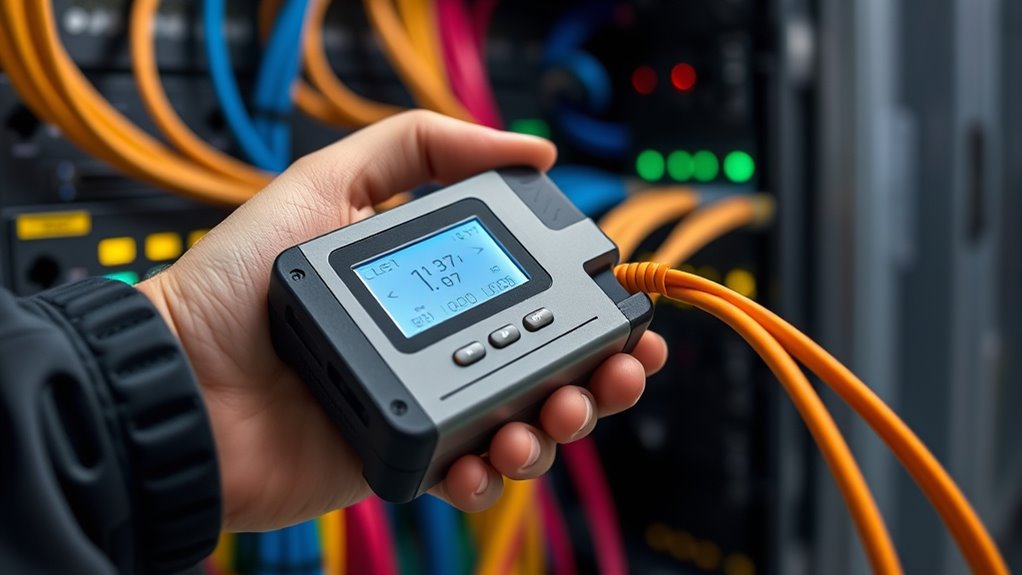
The Fluke DSX-602 stands out for its ability to certify multiple categories of copper cabling, from Cat5 to Cat6A, making it a versatile choice for varied network projects. Its touchscreen interface simplifies complex testing procedures and project tracking, a significant advantage over more traditional testers. Compared with the DTX-1800, it offers deeper diagnostic capabilities, including measurements like return loss and crosstalk, which are essential for high-quality installations. The price reflects its professional-grade features, which may be overkill for small-scale or occasional testing. However, for large projects requiring detailed reports and troubleshooting, this model delivers unmatched value.
Pros:- Comprehensive testing parameters for multiple cable categories
- Touchscreen interface simplifies operation
- Includes accessories for troubleshooting and diagnostics
- Supports detailed report generation
Cons:- High price point limits accessibility for casual users
- Setup can be complex, requiring technical expertise
- Bulkier design reduces portability
Best for: Professional network installers needing detailed diagnostics and project management features.
Not ideal for: Small businesses or hobbyists with limited budgets or infrequent testing needs.
- Frequency Range:500 MHz
- Cable Categories:Category 5, 5e, 6, 6A
- Battery Life:8 hours
- Includes:Main and remote units, channel adapters, chargers, headsets, straps, adapters, carrying case, software CD
Our verdict“Best suited for professionals demanding detailed diagnostics and project management in Cat6 cabling.”
Fluke Networks DTX-1800 120 CableAnalyzer
The Fluke DTX-1800 120 is designed for fast-paced professional environments where quick, reliable certification is critical. Its ability to perform category 6 autotests in just 9 seconds makes it ideal for high-volume testing scenarios, such as large installations or routine maintenance. It supports testing of both shielded and unshielded twisted pair cables, providing flexibility across different project types. Compared to the DSX-602, it offers less in-depth diagnostics but compensates with rapid throughput and straightforward operation. However, its complexity and price mean it’s best suited for trained professionals working on large-scale projects.
Pros:- Performs category 6 autotests in approximately 9 seconds
- Supports shielded and unshielded twisted pair testing
- Stores up to 250 test results for review and certification
- High bandwidth certification up to 900 MHz
Cons:- Operation may require training for effective use
- Higher cost limits accessibility for casual or small-scale use
- Less detailed diagnostics compared to DSX-602
Best for: Professionals needing quick, reliable certification for high-speed Cat6 networks.
Not ideal for: Users who require detailed diagnostics or are working on small, infrequent projects.
- Type:Cable Analyzer
- Certifications:ISO Level IV, TIA Level IIIE
- Bandwidth:up to 900 MHz
- Test Results Storage:250 results
Our verdict“Best for high-volume, speed-focused testing environments needing fast, reliable Cat6 certification.”
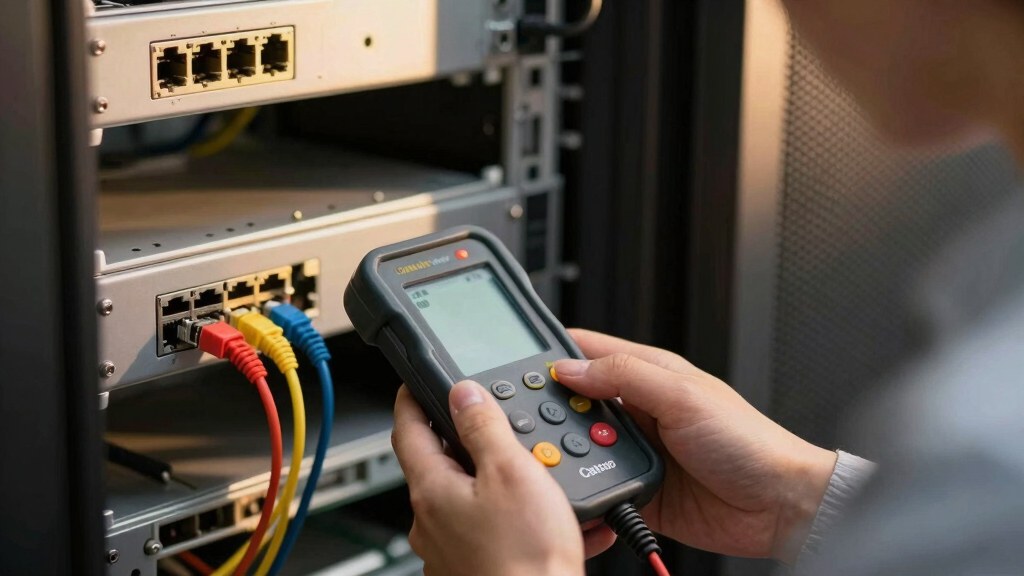
How We Picked
To select these cable certifiers, I focused on devices that are widely recognized in professional network installation and maintenance. Key criteria included measurement accuracy at Cat6 frequencies, ease of use, testing speed, and report generation capabilities. Devices had to support common industry standards like TIA and ISO certifications and be suitable for both installation and troubleshooting scenarios. Cost was considered relative to features, ensuring the picks balance professional-grade functionality with practical value.
Factors to Consider When Choosing Cable Certifier For Cat6
Selecting the right cable certifier for Cat6 involves weighing factors like testing depth, speed, ease of use, and project scope. High-precision testers like the DSX-602 are ideal for detailed diagnostics, but their complexity and cost can be limiting. Conversely, devices like the DTX-1800 focus on rapid throughput, making them perfect for large-scale certification tasks. Understanding your project requirements will help determine whether detailed analysis or quick testing is more valuable in your workflow.Understanding Your Testing Needs
Start by assessing how detailed your testing needs are. If your projects demand in-depth diagnostics, detailed report generation, and troubleshooting, a device like the DSX-602 is better suited. For routine certification, especially when speed is essential, the DTX-1800 can save time while still delivering reliable results.
Ease of Use and Training
Consider who will operate the certifier. The DSX-602’s touchscreen interface simplifies complex testing but may require some training. The DTX-1800, although straightforward for trained professionals, still benefits from familiarity with the device’s features to maximize efficiency.
Budget and Portability
Professional-grade tools like these come with higher price tags. The DSX-602’s accessories and bulkier design may limit portability, making it more suitable for a dedicated workspace. The DTX-1800’s focus on speed and minimal setup favors field use, especially in environments where quick turnaround matters.
Frequently Asked Questions
What is a cable certifier for Cat6 used for?
A cable certifier for Cat6 is used to verify that installed or tested cabling meets specific industry standards for performance, such as bandwidth, signal integrity, and transmission quality. It helps ensure reliable network performance and compliance with technical specifications.
How does a Cat6 cable certifier differ from a basic tester?
While basic testers may check continuity and basic wiring, a certifier performs comprehensive tests including insertion loss, return loss, crosstalk, and bandwidth. This ensures the cable can support high-speed networks reliably, which basic testers cannot always confirm.
Is it worth investing in a professional-grade certifier for small projects?
For small or infrequent projects, investing in a high-end certifier might be unnecessary. Simpler and less costly testers could suffice. However, if you want to guarantee compliance and detailed diagnostics, a professional-grade device provides better assurance of network integrity.
What features should I look for in a Cat6 certifier?
Key features include the frequency range (at least 500 MHz), support for relevant standards, ease of use (touchscreens or straightforward interfaces), data storage, and reporting capabilities. Speed of testing and support for both shielded and unshielded cables are also important considerations.
Can these certifiers test fiber optic cables?
The models discussed are primarily designed for copper twisted-pair cabling, like Cat6. For fiber optic testing, specialized fiber certifiers are required, which support different testing parameters such as insertion loss and OTDR measurements. Always verify the device specifications for compatibility with fiber testing.
Conclusion
For professionals managing complex networks that demand detailed diagnostics and comprehensive reports, the Fluke DSX-602 stands out as the best choice despite its higher cost and size. Meanwhile, those needing quick, reliable certification in high-volume environments will find the Fluke DTX-1800 120 more aligned with their needs, especially if trained operators are available. Small businesses or hobbyists with limited budgets might consider simpler, less costly options that still meet basic certification standards, but for rigorous professional work, these two models deliver the most value.
Fall Picks
fall essentials
As an affiliate, we earn on qualifying purchases.