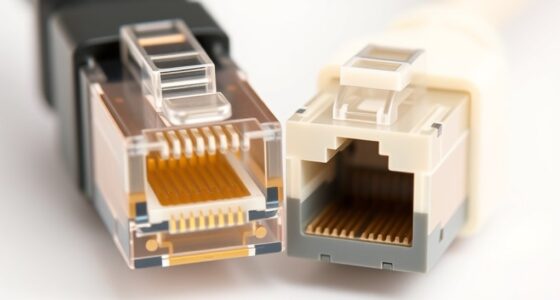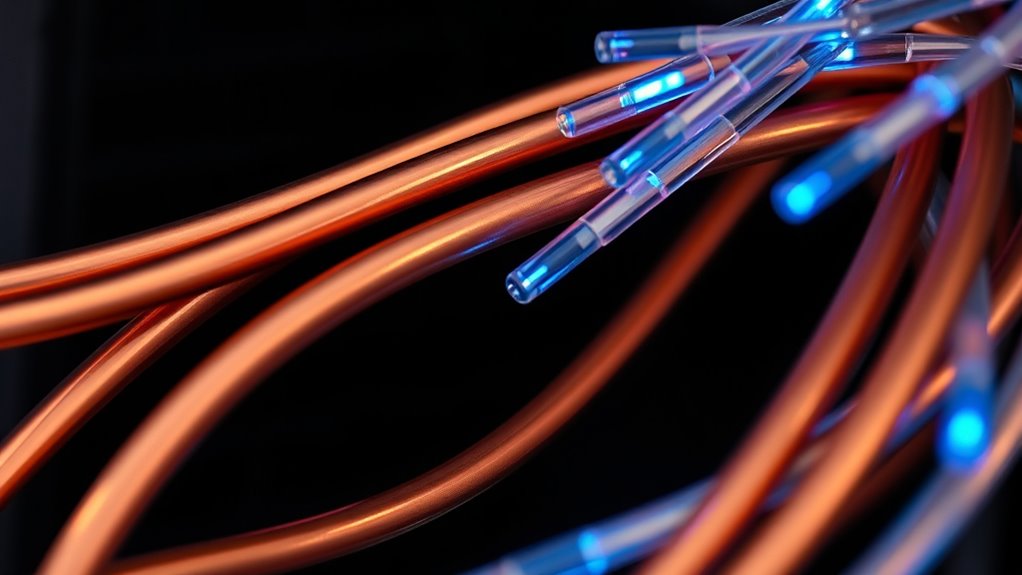

Many believe that mixing fiber optic and copper cables is a bad idea, but the reality is more nuanced. In fact, combining these two types of cabling is quite common and offers practical benefits, especially during network upgrades. If you’re considering expanding or upgrading your infrastructure, understanding how to seamlessly integrate fiber and copper can save you time and money. Curious about how this integration works and why it’s often recommended?

Get business pricing on networking and server gear
- Business-only prices and quantity discounts
- Tax-exempt purchasing
- Multiple users, one account, clear invoices
Key Takeaways
- Combining fiber and copper is common and practical in network upgrades and hybrid setups.
- Fiber optics are highly durable and can be integrated with copper through media converters or adapters.
- Mixing cable types allows cost-effective infrastructure expansion without complete replacement.
- Proper planning and quality connectors ensure reliable performance when combining fiber and copper.
- The myth that fiber and copper should never be mixed is false; they can work together effectively.
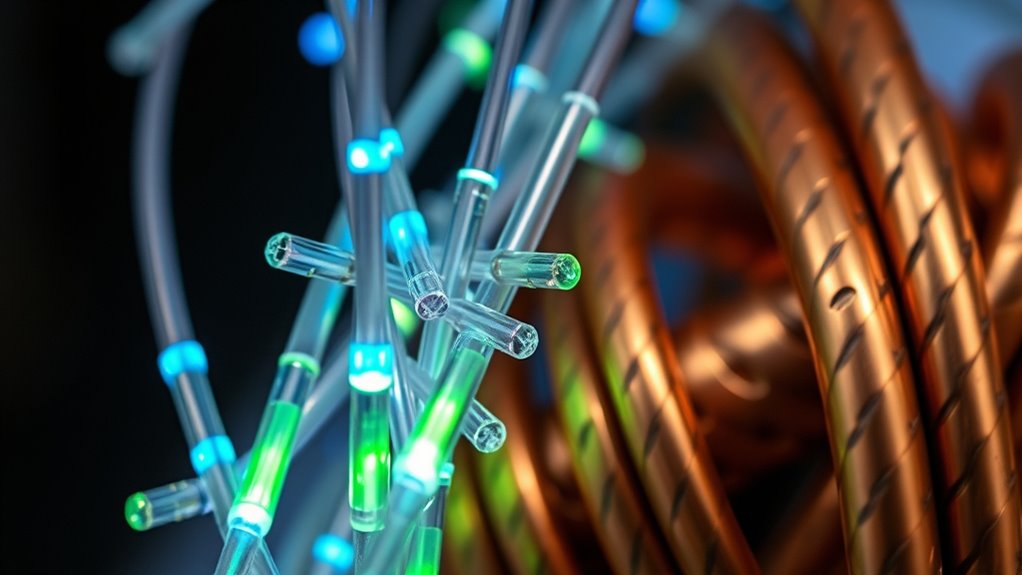
Many believe you should never mix fiber optic and copper cables in a network, but that’s a myth. In reality, combining these technologies can be highly effective and practical, especially when you understand their strengths and limitations. One common concern is whether fiber optic durability allows it to stand up in various environments, and the truth is, fiber optic cables are incredibly durable. They resist electromagnetic interference, are resistant to harsh conditions, and can handle long-distance transmissions without significant signal loss. This makes them ideal for backbone connections or environments where interference is a concern. Copper wiring compatibility, on the other hand, refers to how well copper cables integrate with existing infrastructure and equipment. Copper has been a staple in networking for decades, and many devices still rely on copper connections. Because of this, mixing fiber with copper can provide a seamless transition, leveraging the advantages of both.
When you incorporate fiber optic cables into your network, you gain the benefit of high bandwidth and low latency over longer distances. However, you might still need copper cables for shorter runs or to connect with older equipment. This is where compatibility becomes essential. Copper wiring is widely supported in current hardware, which means you can easily connect fiber optic transceivers with copper ports using media converters or fiber-to-copper adapters. These devices ensure that fiber and copper work together without compatibility issues, allowing you to upgrade parts of your network gradually rather than overhauling everything at once.
Another significant advantage is cost-effectiveness. Fully replacing copper with fiber might be expensive initially, but mixing the two allows you to extend your network’s lifespan and performance without a complete overhaul. You also benefit from the flexibility of having both types of cabling in your infrastructure, which is especially useful in complex setups or when upgrading existing systems. The key is choosing high-quality connectors and properly installing the cables, guaranteeing that fiber optic durability is maintained and copper wiring compatibility remains intact. Additionally, understanding the importance of space and organization can help in managing multiple cable types effectively within the same infrastructure.
fiber optic to copper media converter
As an affiliate, we earn on qualifying purchases.
As an affiliate, we earn on qualifying purchases.
Frequently Asked Questions
Can Mixing Fiber and Copper Improve Network Performance?
Mixing fiber and copper can improve network performance when done with proper fiber compatibility and copper integration. It allows you to extend the network efficiently, combining the high speed of fiber with the flexibility of copper. You should guarantee seamless connections and compatible equipment, which helps maintain signal quality and reduce latency. Properly integrating these materials optimizes your network’s speed and reliability, making mixed cabling a smart choice for many setups.
What Are the Cost Implications of Combining Fiber and Copper?
Think of combining fiber and copper like building a hybrid car; it can boost performance but affects your wallet. Your cost analysis should include installation, equipment, and maintenance, which can be higher upfront but save money long-term. Budget considerations are key, as mixed networks may require specialized hardware and skilled technicians. Weigh these factors carefully to make certain your investment aligns with your network’s needs and your financial plans.
Are There Specific Scenarios Where Mixing Is Recommended?
You might consider mixing fiber and copper when compatibility issues arise, especially during upgrade strategies. For example, if existing infrastructure relies on copper, integrating fiber gradually can ease shifts without complete overhauls. This approach allows you to leverage the strengths of both media, guaranteeing compatibility and flexibility. Just make certain your network equipment supports mixed media setups to avoid issues and optimize performance during your upgrade process.
How Does Mixing Affect Installation Complexity?
Mixing fiber and copper is like combining two different languages—you’ll face installation challenges and compatibility issues. You’ll need specialized connectors and equipment, which complicates setup. This increases installation time and requires extra skill, making the process more complex. While it’s doable, be prepared for added troubleshooting and careful planning to make sure of seamless integration without compromising network performance.
What Are the Long-Term Maintenance Considerations?
Mixing fiber and copper affects long-term maintenance because fiber offers high durability, but copper can corrode over time, especially in humid environments. You’ll need to regularly inspect copper connections for corrosion and guarantee fiber links remain protected from physical damage. Proper sealing and choosing quality materials help minimize issues. Staying vigilant about these factors ensures reliable performance and reduces costly repairs, keeping your network running smoothly long-term.
fiber optic and Ethernet cable adapter
As an affiliate, we earn on qualifying purchases.
As an affiliate, we earn on qualifying purchases.
Conclusion
Don’t believe the myth that fiber and copper can’t coexist. Just like a well-balanced team, integrating both types of cabling can create a flexible and efficient network. Using media converters and compatible hardware makes the shift seamless, saving you time and money. Embracing this combined approach is like blending different colors to create a vibrant masterpiece—diverse, dynamic, and better suited to your needs. So, go ahead, mix and match for a smarter network.
As an affiliate, we earn on qualifying purchases.
As an affiliate, we earn on qualifying purchases.
Fall Picks
fall essentials
As an affiliate, we earn on qualifying purchases.