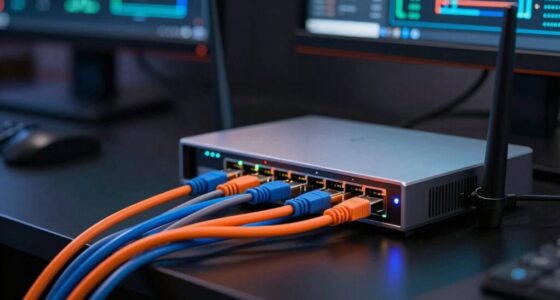
It’s a common misconception that any RJ45 connector can be used with Cat6a cables, but this isn’t quite accurate. While it might seem convenient, not all connectors are built to handle the high frequencies and data rates that Cat6a networks demand. Using the wrong type can cause issues that are hard to detect at first glance. Understanding what makes a connector suitable for Cat6a can save you time and trouble later on.

Get business pricing on networking and server gear
- Business-only prices and quantity discounts
- Tax-exempt purchasing
- Multiple users, one account, clear invoices
Key Takeaways
- Not all RJ45 connectors meet Cat6a standards; only compliant ones ensure optimal performance.
- Proper connectors are designed to handle high frequencies and data rates supported by Cat6a cables.
- Using incompatible connectors can cause connection failures and signal degradation.
- Standard installation practices require connectors to match cable type and follow industry standards.
- Testing and certification verify that connectors are suitable for Cat6a, preventing future network issues.
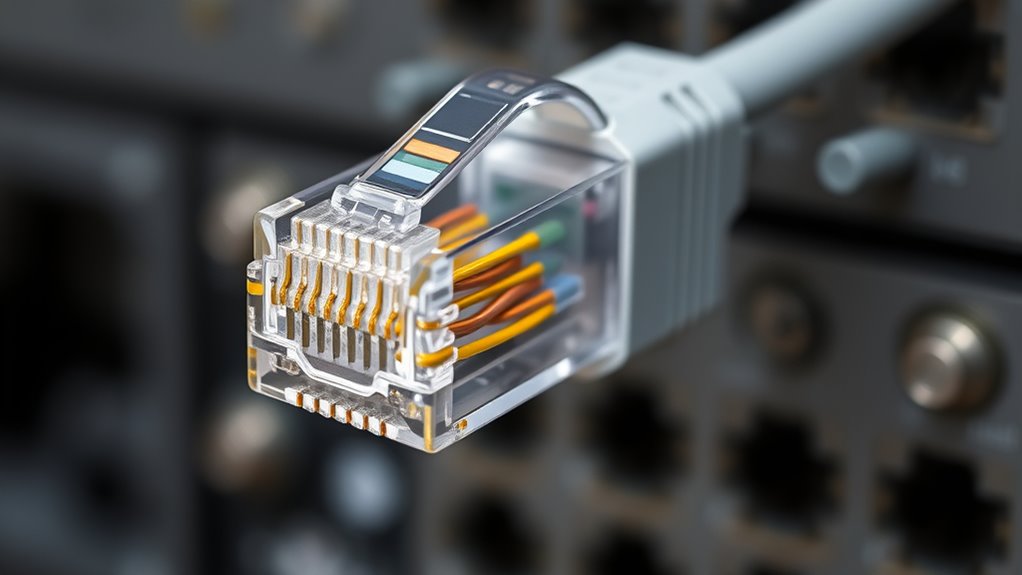
Many people assume that any RJ45 connector can be used with Cat6a cables, but that’s a misconception. Not all connectors are compatible with the higher standards required by Cat6a wiring. To guarantee maximum performance and reliability, you need to pay attention to connector compatibility. Using the wrong connector can lead to poor signal transmission, increased crosstalk, or even connection failures. Cat6a cables are designed to support higher frequencies and faster data rates, so the connectors must meet specific standards to handle these requirements.
Not all RJ45 connectors are compatible with Cat6a cables; choose standards-compliant connectors for optimal performance.
When selecting connectors for Cat6a, it’s crucial to verify that they follow proper installation standards. These standards specify the materials, design, and construction features needed to support the cable’s performance. For example, connectors compliant with the TIA/EIA standards are built to accommodate the thicker insulation and tighter twists of Cat6a cables. Using connectors that don’t meet these standards can compromise the cable’s integrity and hinder the network’s overall performance. Poorly manufactured or incompatible connectors may cause signal degradation, increase attenuation, or introduce interference, defeating the purpose of using high-quality Cat6a cabling.
Another critical aspect is guaranteeing the connectors are rated for the bandwidth and data transfer speeds you require. Cat6a supports frequencies up to 500 MHz, so the connectors must be designed to handle these frequencies without loss. If you use generic connectors not rated for such standards, you risk losing valuable performance benefits. Proper connector compatibility also involves matching the connector type to the cable type, including considerations for shielded versus unshielded cables. Using unsuitable connectors may lead to improper termination, which can cause connectivity issues or reduce the lifespan of your network components.
Installation standards are equally crucial. Following industry guidelines ensures that the connectors are installed correctly, providing a secure and stable connection. Proper termination techniques, such as ensuring the correct wiring scheme and applying consistent pressure while crimping, help maintain the integrity of the connection. Neglecting these standards might result in loose connections or damaged pins, which can be difficult to troubleshoot later. Additionally, proper testing of the terminated connection can help verify that the connector and cable work together effectively before deployment.
As an affiliate, we earn on qualifying purchases.
Frequently Asked Questions
Can Older RJ45 Connectors Be Used With Cat6a Cables?
You can’t always use older RJ45 connectors with Cat6a cables because connector compatibility is vital for peak performance. Cat6a cables have tighter twists and larger conductors, requiring compatible connectors to guarantee proper contact and signal integrity. When installing, use the right installation tools to secure the connector properly. Upgrading to newer, rated connectors ensures reliable connections, reduces crosstalk, and maintains the high-speed capabilities of Cat6a networks.
Do All RJ45 Connectors Meet Cat6a Specifications?
Not all RJ45 connectors meet Cat6a standards. You need connectors designed to match specific standards and pin configurations for Cat6a cables. These connectors guarantee proper shielding, performance, and adherence to high-speed data transfer requirements. Using incompatible connectors can cause signal interference or connection issues. Always verify that your RJ45 connectors are rated for Cat6a to ensure ideal performance and compliance with cable specifications.
Are There Compatibility Issues With Shielded Versus Unshielded RJ45 Connectors?
You might face shielded compatibility issues if you try to connect shielded RJ45 connectors with unshielded cables, as they’re designed differently. Shielded connectors provide better interference protection but need properly shielded cables to work effectively. Using unshielded connectors on shielded cables can cause grounding issues and reduce performance. Always match shielded connectors with shielded cables and unshielded connectors with unshielded cables to guarantee maximum performance and avoid compatibility problems.
How Does Connector Quality Affect Network Performance With Cat6a?
You should prioritize connector quality because it directly impacts network performance. A high-quality connector enhances durability, ensuring it withstands physical stress and environmental factors. It also preserves signal integrity by reducing crosstalk and interference, which are critical for Cat6a cables supporting high-speed data transfer. Conversely, low-quality connectors can cause connection issues, slow speeds, and signal loss. For peak performance, choose connectors that are well-made and compatible with your cable type.
Is Special Tooling Required for Installing High-Quality RJ45 Connectors on Cat6a?
You do need special tooling for installing high-quality RJ45 connectors on Cat6a cables. Proper tools guarantee connector compatibility and meet installation requirements, preventing poor connections or network issues. Using the right crimpers and tools designed for Cat6a maintains cable integrity and performance. Skipping specialized tools can lead to subpar connections, so investing in the correct equipment is vital for peak network performance and reliable, long-lasting connections.
High frequency Ethernet connectors
As an affiliate, we earn on qualifying purchases.
As an affiliate, we earn on qualifying purchases.
Conclusion
Don’t assume any RJ45 connector will do the job with Cat6a cables. Only connectors rated for Cat6a meet the necessary standards for high-speed, reliable connections. Did you know that using incompatible connectors can cause up to 40% signal loss? To keep your network running smoothly and maximize performance, always choose connectors specifically designed for Cat6a. It’s a small step that makes a big difference in ensuring your network’s stability and speed.
TIA/EIA compliant RJ45 connectors
As an affiliate, we earn on qualifying purchases.
As an affiliate, we earn on qualifying purchases.
Shielded Cat6a Ethernet connectors
As an affiliate, we earn on qualifying purchases.
As an affiliate, we earn on qualifying purchases.
Halloween Picks
halloween
As an affiliate, we earn on qualifying purchases.