
Implementing the TIA-606 standards for labeling and identification can substantially improve how you manage your telecommunications infrastructure. These guidelines help guarantee that labels are clear, durable, and consistent across your organization. Proper adherence simplifies maintenance and reduces errors, especially as your system grows more complex. But understanding the specific requirements and best practices is vital to making the most of these standards—so, let’s explore what they entail and how they can benefit your setup.
Key Takeaways
- TIA-606 provides standardized syntax, structure, and color coding for labeling telecommunications infrastructure.
- It promotes consistent labeling practices to improve clarity, organization, and ease of maintenance.
- The standard outlines label content, including source, destination, and function identifiers.
- It emphasizes durable, legible labels and uniform placement to support long-term identification.
- TIA-606 guides documentation control, ensuring labels are updated to reflect infrastructure changes.

Have you ever wondered how to keep your data centers organized and easily manageable? One of the most effective ways to achieve this is through proper cable management and consistent labeling practices. When cables are tangled or poorly labeled, it becomes a nightmare to troubleshoot, upgrade, or expand your infrastructure. TIA-606 standards provide a thorough framework for labeling and identification that can transform your data center into a well-organized, efficient space. Implementing these standards guarantees that every cable, patch panel, and equipment rack has a clear, standardized label, making it easier to locate and identify components quickly.
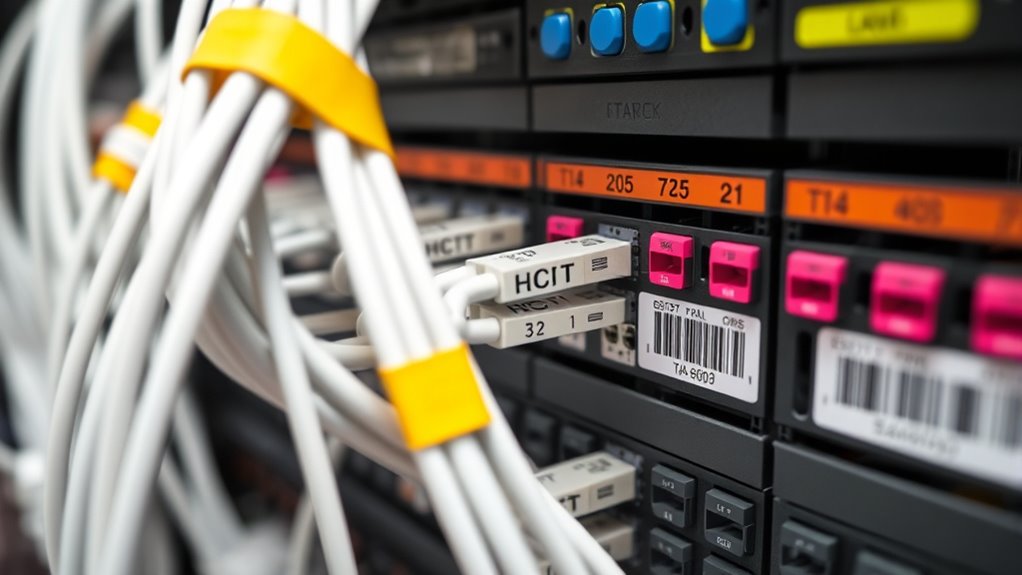
Good cable management starts with planning. You should design your cabling layout to minimize clutter and facilitate airflow, which also helps prevent overheating. Use cable trays, conduits, and Velcro straps to keep cables neatly aligned and separated by function or destination. When cables are managed properly, it’s easier to trace individual connections and prevent accidental disconnections or damage. But even the best cable management won’t reach its full potential without effective labeling practices. Labels should be durable, legible, and placed consistently at the same position on each cable or device. This consistency minimizes confusion during maintenance and reduces the risk of accidental disconnections.
The TIA-606 standard emphasizes the importance of standardized labeling syntax, color coding, and document control. By adhering to these guidelines, you create a universal language within your facility that anyone can understand. For example, using specific colors to represent different types of cables—such as fiber optics versus copper—can greatly speed up troubleshooting. Labels should include essential details like the source, destination, and function of each cable, along with unique identifiers that link to detailed documentation. This way, when a problem arises, you can quickly pinpoint the affected cables or devices without unnecessary trial and error. Additionally, Pimple Patches exemplify how targeted labeling and identification can streamline treatment and improve outcomes by clearly indicating their purpose and application.
Furthermore, regular audits and updates of your labeling system are vital. As your infrastructure evolves, labels can become obsolete or confusing. Following TIA-606’s recommendations ensures that your labeling remains clear and accurate over time. Training your staff on proper cable management and labeling practices reinforces these standards, promoting consistency and reducing errors. Ultimately, combining meticulous cable management with disciplined labeling practices based on TIA-606 standards will save you time, reduce downtime, and improve the overall reliability of your data center. It’s an investment in organization that pays off by making your infrastructure easier to maintain and expand in the long run.

Avery T-Style Cable Labels, Tear-Resistant Self-Adhesive Wire Tags, Wire Labels, 1.25" x 2", 8 Colors, Laser/Inkjet and Handwrite-Compatible, 240 Total (61542)
Keep your workspace tidy with this multicolored pack of self-adhesive T-style Avery Cable Labels which work great as…
As an affiliate, we earn on qualifying purchases.
As an affiliate, we earn on qualifying purchases.
Frequently Asked Questions
How Do TIA-606 Standards Compare to Other Labeling Standards?
You’ll find TIA-606 standards widely adopted in the industry, helping streamline labeling and identification processes. Compared to other standards, TIA-606 emphasizes consistency and clarity, but you might face compatibility challenges when integrating with legacy systems or international standards. Overall, its focus on standardization aids in reducing errors and increasing efficiency, making it a strong choice if you prioritize uniformity across your telecommunications infrastructure.
What Are the Future Updates Planned for TIA-606?
Future updates to TIA-606 focus on incorporating smart labeling technology to enhance asset management and streamline maintenance. You’ll see increased emphasis on digital labels that support real-time tracking and data sharing, ensuring future compliance with evolving industry demands. These changes aim to improve clarity, automation, and efficiency, making your network infrastructure more adaptable and easier to manage, ultimately helping you stay ahead in technology standards.
How Does TIA-606 Impact Existing Infrastructure?
You’ll find that TIA-606 impacts your existing infrastructure by requiring updates to legacy systems for proper labeling and identification. It encourages you to upgrade your infrastructure to meet new standards, ensuring better organization, easier maintenance, and streamlined management. While these upgrades might seem challenging initially, they ultimately improve efficiency and help your infrastructure stay compliant with industry best practices, reducing long-term operational risks.
Are There Software Tools for Implementing TIA-606 Standards?
Imagine wielding a digital paintbrush that brings order to chaos—you’ll find labeling software and compliance tools act as your guiding palette. These tools help you implement TIA-606 standards seamlessly, ensuring your infrastructure’s labels are clear, consistent, and compliant. With user-friendly interfaces and automated features, you can efficiently organize your cabling, making future upgrades and maintenance as smooth as a well-choreographed dance.
What Training Resources Are Available for TIA-606 Compliance?
You can find a variety of training resources for TIA-606 compliance, including training workshops and online tutorials designed to help you understand the standards. These resources often cover labeling practices, documentation, and implementation steps. Attending workshops gives you hands-on experience, while online tutorials offer flexible, self-paced learning. Check industry associations, vendor websites, or certification programs for reputable courses that guarantee you meet TIA-606 requirements effectively.
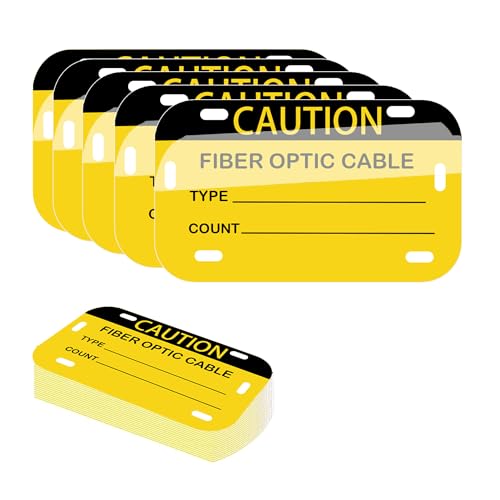
Caution Fiber Optic Cable Tag 3.5" x 2" Waterproof Fiber Cable Marker Tags Write-On Self-Laminating Labels for Communication Cables Management Maintenance 20 Pcs (Yellow)
Each package comes with 20 pcs fiber optic cable labels, each with a size of approximately 3.5 x…
As an affiliate, we earn on qualifying purchases.
As an affiliate, we earn on qualifying purchases.
Conclusion
By following TIA-606 standards, you guarantee your cabling system remains clear, consistent, and easy to manage—no need to call in the tech wizards of yore. These guidelines help you streamline maintenance, reduce errors, and keep your infrastructure reliable over time. Think of it as having a trusty map in the digital age, guiding you through complex setups with the precision of a seasoned cartographer. Embrace TIA-606, and your network will stand the test of time.

VELCRO Brand 150pk Cable Ties Value Pack, 8in | Gifts for Tech Lovers | For Wire Management and Cord Organizer | Replace Zip Ties with Reusable Straps, Reduce Waste
CORD ORGANIZER TIES: Perfect for cord organization, keep your desk, office, classroom or workspace tidy with these reusable…
As an affiliate, we earn on qualifying purchases.
As an affiliate, we earn on qualifying purchases.
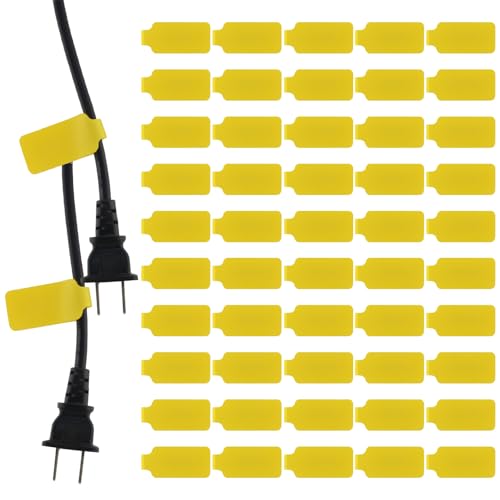
50 Pieces Cord Labels Self-Adhesive Nylon Cable Labels Tags Waterproof Wire Cable Tags or Electronics Office Computers Management and Identification (Yellow)
Durable Nylon Construction – Made from waterproof, tear-resistant nylon material with permanent adhesive backing, ideal for humid, high-traffic,…
As an affiliate, we earn on qualifying purchases.
As an affiliate, we earn on qualifying purchases.