Imagine a hospital where every patient monitor, staff device, and security camera connects seamlessly, guaranteeing smooth operations and patient safety. Proper structured cabling plays a critical role in making this possible by supporting reliable, scalable, and secure communication networks. But designing such a system involves more than just running wires—it requires careful planning to meet healthcare needs now and in the future. How do you ensure your infrastructure stays resilient and adaptable?
Key Takeaways
- Ensures reliable, high-speed connectivity for critical medical devices, patient data access, and seamless communication across healthcare environments.
- Incorporates robust security protocols like encrypted connections and secure VLANs to protect sensitive patient and operational data.
- Supports wireless integration for mobility, enabling healthcare staff to access systems and communicate efficiently throughout facilities.
- Designed for scalability and future upgrades, allowing easy expansion of network points, wireless access, and security features.
- Provides a resilient, compliant infrastructure that enhances operational efficiency, patient safety, and data protection in healthcare settings.
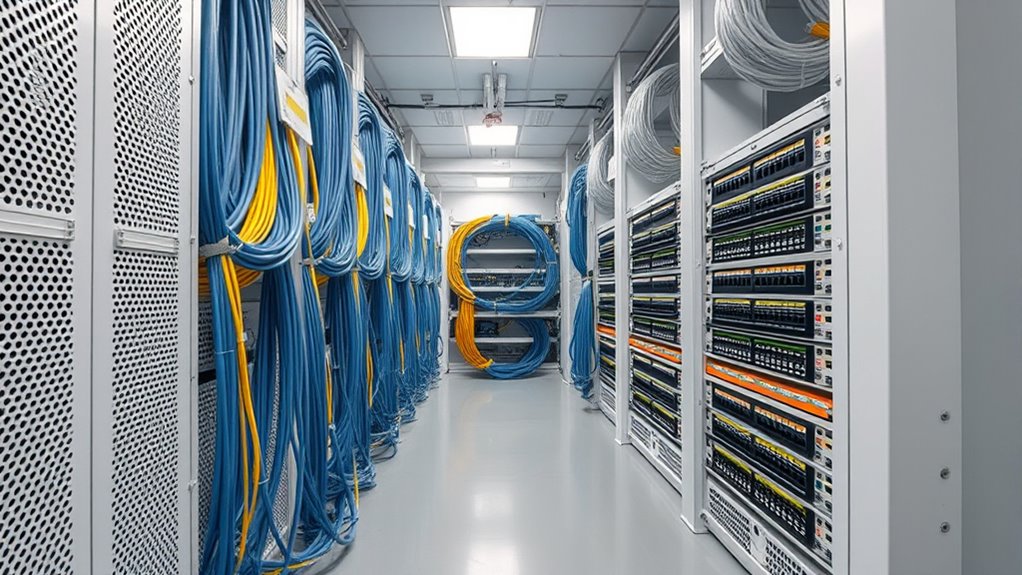
In healthcare facilities, reliable and efficient communication systems are essential to guarantee smooth operations and patient safety. Structured cabling plays a critical role in establishing a robust infrastructure that supports various technological needs. As hospitals and clinics become more digitized, integrating wireless technologies alongside wired networks has become indispensable. Wireless integration allows staff to seamlessly access patient records, communicate with colleagues, and operate medical devices without being tethered to a single location. This flexibility enhances workflow efficiency and reduces response times during critical moments. However, implementing wireless solutions within a structured cabling system requires careful planning to guarantee maximum coverage and performance. You need to consider the placement of access points, interference sources, and bandwidth demands to provide a dependable wireless experience throughout the facility.
Wireless integration in healthcare enhances efficiency, but requires careful planning for optimal coverage and security.
Security is a top priority in healthcare settings, where sensitive patient data and critical systems are at risk. Hence, security protocols must be embedded into your structured cabling infrastructure from the outset. You should incorporate features like encrypted connections, secure VLANs, and intrusion detection systems to safeguard data transmission. Proper cabling design can prevent unauthorized access and protect against cyber threats that could compromise patient confidentiality or disrupt essential services. Additionally, consistent monitoring and updates of security measures are necessary to adapt to evolving risks. When planning your cabling, guarantee that your network backbone can support encryption protocols and other security features without bottlenecks, maintaining both safety and performance.
A well-designed structured cabling system also simplifies future upgrades and expansions. As healthcare technology advances, new devices and systems will need integration without major disruptions. Your cabling infrastructure should be scalable, allowing easy addition of network points, wireless access points, or new security measures. This foresight minimizes downtime and ensures your facility remains compliant with industry standards and regulations. You also want to choose high-quality cables and connectors that can handle increased data loads and provide longevity, reducing the need for frequent replacements.
Ultimately, investing in a thorough structured cabling system tailored for healthcare environments ensures that your facility can reliably support both wired and wireless communications while maintaining stringent security standards. This setup not only enhances operational efficiency but also reinforces patient safety and data protection. By carefully planning your cabling infrastructure with wireless integration and security protocols in mind, you create a resilient foundation that adapts to the evolving technological landscape of healthcare.
As an affiliate, we earn on qualifying purchases.
Frequently Asked Questions
How Does Structured Cabling Improve Patient Data Security?
Structured cabling improves patient data security by enabling robust data encryption and strict access control. You can easily implement encrypted connections, ensuring sensitive information remains protected during transmission. Access control allows you to restrict data access only to authorized personnel, reducing the risk of breaches. With a reliable cabling infrastructure, you guarantee secure, efficient data flow, ultimately safeguarding patient information and maintaining compliance with healthcare privacy regulations.
What Are the Cost Benefits of Upgrading Healthcare Cabling Systems?
Upgrading your healthcare cabling system offers significant cost savings by reducing maintenance expenses and minimizing downtime. It enhances infrastructure efficiency, allowing faster data transfer and smoother operations. Investing in modern cabling means fewer repairs and less frequent upgrades, which saves you money long-term. Plus, an efficient system supports new technology integration, ensuring your facility stays current without costly overhauls, ultimately improving patient care and operational productivity.
How Is Cabling Infrastructure Maintained in a Hospital Environment?
Maintaining a hospital’s cabling infrastructure is like tending a delicate garden—you need regular care. You’ll perform routine inspections, follow strict maintenance protocols, and guarantee proper cable management to prevent tangles and damage. This involves checking connectors, testing system performance, and replacing worn-out cables promptly. Staying proactive keeps the network running smoothly, minimizes downtime, and ensures critical healthcare operations aren’t interrupted. Proper upkeep is key to a resilient, efficient hospital environment.
What Are the Best Practices for Future-Proofing Healthcare Cabling?
To future-proof healthcare cabling, you should prioritize installing high-quality fiber optics and enabling seamless wireless integration. Opt for scalable, modular systems that can grow with technological advances. Regularly assess your infrastructure’s capacity, upgrade outdated components, and incorporate flexible design principles. This approach guarantees your facility remains prepared for innovations like telemedicine and IoT, maintaining reliable, high-speed connectivity essential for modern healthcare delivery.
How Does Cabling Support Emerging Healthcare Technologies?
Cabling supports emerging healthcare technologies by enabling seamless wireless integration and reliable device connectivity. You guarantee your infrastructure can handle increasing data loads, allowing healthcare devices to communicate efficiently. By investing in high-quality, future-proof cabling, you facilitate real-time data sharing, telemedicine, and IoT applications. This proactive approach guarantees your facility stays adaptable, improving patient care and operational efficiency as new technologies continue to evolve.

Cable Matters 10Gbps Snagless Cat 6 Ethernet Cable – 10ft, Cat 6 Cable, Cat6 Cord, Ethernet Cord, Black
- High-Performance Connectivity: 24 AWG copper core for fast, reliable connections
- Advanced Cat6 Technology: Supports 10-Gigabit Ethernet, backward compatible with Cat 5
- Reliable Wired Network: Secure, consistent internet connection for various devices
As an affiliate, we earn on qualifying purchases.
As an affiliate, we earn on qualifying purchases.
Conclusion
As you plan your healthcare facility’s cabling infrastructure, remember that every choice impacts patient safety and operational flow. With the right design, you’ll unseal seamless data access and future-proof your systems. But the true test lies ahead—will your infrastructure withstand evolving technology and emerging security threats? Stay vigilant, because the foundation you lay today could shape the success or challenges of tomorrow’s healthcare environment. The future depends on what you build now.
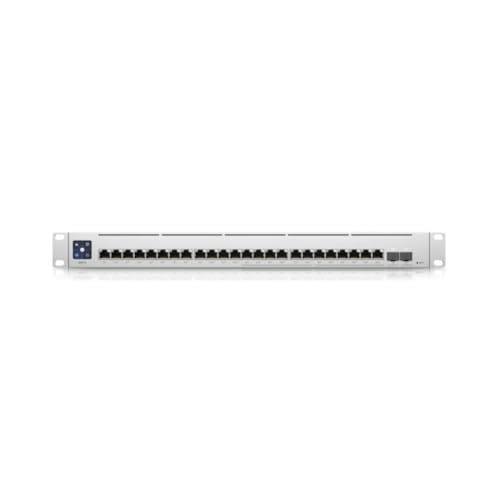
Ubiquiti Switch Enterprise 24 Port Gigabit PoE+ Switch
- 24 Port Gigabit PoE+ Switch: Ubiquiti Enterprise Network Switch
As an affiliate, we earn on qualifying purchases.
As an affiliate, we earn on qualifying purchases.
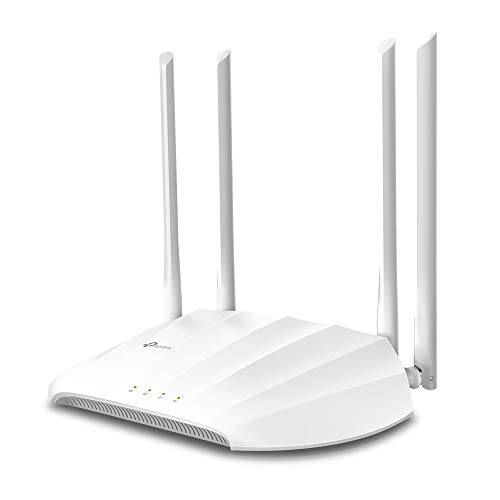
TP-Link AC1200 Wireless Gigabit Access Point – Desktop WiFi Bridge, MU-MIMO & Beamforming, Supports Multi-SSID/Client/Range Extender Mode, 4 Fixed Antennas, Passive PoE Powered (TL-WA1201), Dual-Band
- High-Speed Dual-Band Wi-Fi: Up to 1200 Mbps with MU-MIMO technology
- Multiple Operation Modes: Client, Multi-SSID, Range Extender, AP modes
- Passive PoE Power Support: Easy installation with passive PoE
As an affiliate, we earn on qualifying purchases.
As an affiliate, we earn on qualifying purchases.



![Paged Out #9 [Pdf]](https://cables-and-networks.com/wp-content/uploads/2026/07/paged-out-9-pdf-featured-260x140.jpg)