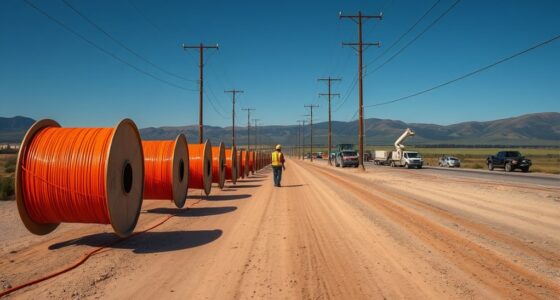
Did you know that laying fiber optic cables in rural areas often costs tens of thousands of dollars per mile, making it nearly impossible for many providers to justify the investment? The vast distances, low population densities, and challenging terrain create logistical and financial hurdles that aren’t as common in urban settings. These obstacles can leave rural communities with outdated or unreliable connectivity—issues that might surprise you, especially considering how essential internet access has become.
Key Takeaways
- Physical distances and difficult terrain hinder the laying of cables in rural regions.
- Sparse populations reduce the economic viability of extensive infrastructure investments.
- Regulatory and logistical obstacles delay or complicate cable deployment efforts.
- Outdated or poorly maintained infrastructure limits effective cable installation and performance.
- High upfront costs and low return on investment discourage private sector infrastructure expansion.
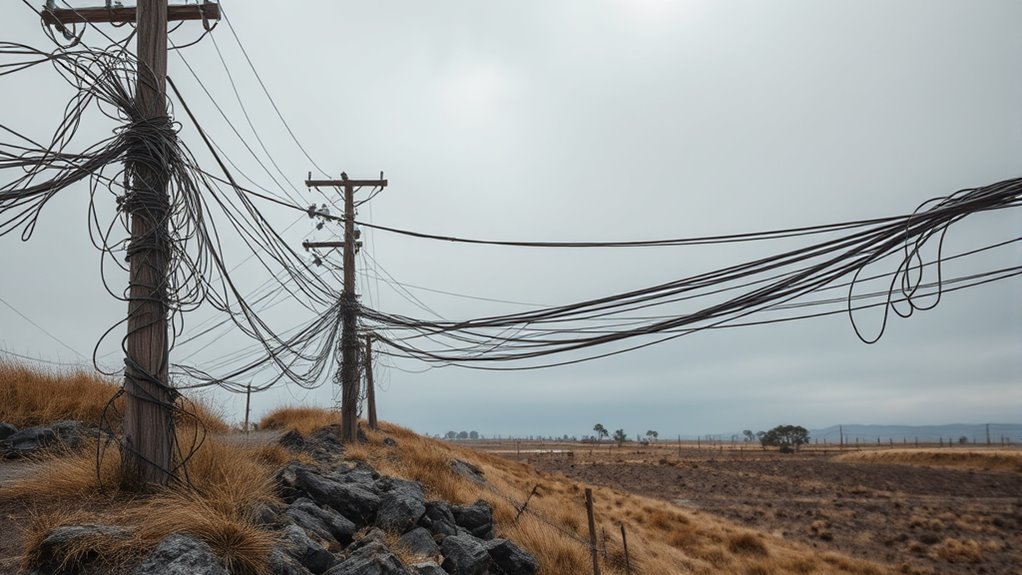
Have you ever wondered why connecting rural areas to reliable cabling remains so difficult? The answer lies in a mix of satellite dependence and infrastructure gaps that make traditional methods challenging. In urban environments, laying fiber optic cables or installing new infrastructure is straightforward because the population density justifies the investment. But in rural areas, sparse populations and vast distances mean that the cost per user skyrockets. This economic hurdle leads service providers to rely heavily on satellite technology, which, while helpful, has its own limitations. Satellite dependence often results in slower speeds, higher latency, and less reliable connections, especially during adverse weather conditions. These issues highlight how the existing infrastructure gaps create a significant barrier to consistent, high-quality internet access.
The gaps in infrastructure are not just about the physical inability to lay cable; they also involve regulatory, logistical, and financial obstacles. Building out the necessary infrastructure requires significant upfront investment, and for many providers, the return doesn’t seem worth it when faced with small, dispersed populations. As a result, many rural communities find themselves stuck with outdated or insufficient connectivity options. Even where infrastructure exists, it may be outdated or poorly maintained, further degrading service quality. These deficiencies perpetuate a cycle where rural residents are left behind in digital connectivity, limiting access to education, healthcare, and economic opportunities that depend on reliable internet.
Satellite dependence, in particular, creates a paradox. On one hand, satellites can bridge the gap when terrestrial infrastructure is absent. On the other hand, they reinforce the gap by not providing the same quality of service as wired connections. Satellites are often more accessible, but their performance issues mean that rural users might experience buffering, lag, or inconsistent speeds, especially during storms or high-traffic times. Relying solely on satellite is a stopgap measure that doesn’t address the root of the problem: the infrastructure gaps that prevent the deployment of more robust, wired networks.
Bridging these gaps requires strategic investments and innovative solutions. Governments and private companies need to collaborate on funding and deploying better infrastructure—whether through expanding fiber networks or exploring new technologies such as fixed wireless. Only then can rural areas move beyond satellite dependence and enjoy reliable, high-speed cabling that can truly transform their connectivity landscape. Until those infrastructure gaps are closed, satellite dependence will remain a necessary but imperfect solution.

Fiber Optic Termination Tool Kit 10-in-1 Equipped with A-D7 Optical Power Meter (-70 – +10 dBm), FC-6S Fiber Cleaver and Wire Stripping Pliers, Aramid Scissors, Fiber Optic Tool Kit
【Integrated professional solution for fiber optic work】This comprehensive kit includes the basic tools required for fiber optic installation,…
As an affiliate, we earn on qualifying purchases.
As an affiliate, we earn on qualifying purchases.
Frequently Asked Questions
How Do Cable Costs Compare in Rural Versus Urban Areas?
You’ll find that cable costs are generally higher in rural areas due to significant cost disparities. Infrastructure expenses are greater because laying cables over long distances and difficult terrains increases labor and material costs. In urban settings, dense infrastructure and existing networks help reduce these expenses, making cable installation more affordable. As a result, rural areas face higher overall costs, which can delay or limit access to reliable cable services.
What Are the Best Practices for Rural Cable Installation?
You should start by carefully planning your route, considering remote areas and terrain. Use durable fiber optics and outdoor enclosures to safeguard your cables from weather and wildlife. Employ trenching or aerial installation methods suited for rural landscapes. Keep safety in mind, and work with local utilities for permits. Staying flexible and prepared for unexpected obstacles ensures a smoother installation, ultimately delivering reliable connectivity where it’s needed most.
How Does Terrain Affect Rural Cabling Infrastructure?
Terrain obstacles, such as hills, forests, and uneven ground, notably impact your rural cabling infrastructure by making installation more difficult and costly. These features can cause signal interference, weakening the quality and reliability of your network. You need to plan carefully, choosing routes that avoid major obstacles and using appropriate technology to mitigate interference. Proper planning ensures your cables reach remote areas effectively despite the challenging terrain.
Are There Government Incentives for Rural Cabling Projects?
Yes, there are government incentives for your rural cabling projects. You might qualify for grants that help cover infrastructure costs, or tax incentives that reduce your overall expenses. These programs aim to bridge the digital divide and improve connectivity. But the key is acting quickly—these opportunities can change or expire. Stay informed, and explore federal and state programs that support expanding rural broadband—your project could benefit considerably.
What Maintenance Challenges Are Unique to Rural Cabling Systems?
You face unique maintenance challenges with rural cabling systems, especially regarding remote access and weather resilience. Limited connectivity often makes troubleshooting difficult, delaying repairs. Harsh weather, like storms or extreme temperatures, can damage cables and infrastructure, requiring regular inspections and durable materials. You need to plan for remote diagnostics and guarantee your cabling is weather-resistant to minimize downtime and maintain reliable service in these remote areas.

TP-Link AX1800 WiFi 6 Router (Archer AX21) – Dual Band Wireless Internet, Gigabit, Easy Mesh, Works with Alexa – A Certified for Humans Device, Free Expert Support
DUAL-BAND WIFI 6 ROUTER: Wi-Fi 6(802.11ax) technology achieves faster speeds, greater capacity and reduced network congestion compared to…
As an affiliate, we earn on qualifying purchases.
As an affiliate, we earn on qualifying purchases.
Conclusion
While the hurdles in connecting rural areas may seem insurmountable, they’re not impossible to overcome. Think of the potential—bridging the digital divide isn’t just about infrastructure; it’s about opening opportunities and transforming lives. With strategic investments and innovative solutions, you can turn these challenges into chances for growth. Remember, every great journey begins with a single step—so, will you be the one to help connect these distant communities and light the way forward?

SpaceX Starlink Mini Satellite Dish – 4th Gen Portable Antenna with Advanced Phase Array Technology – High-Speed Internet Kit for RV, Camping, Remote Work, and Off-Grid Living
BE AWARE: OUTSIDES REGION FEE MAY APPLY: There will be a one-time activation fee of $300 due to…
As an affiliate, we earn on qualifying purchases.
As an affiliate, we earn on qualifying purchases.
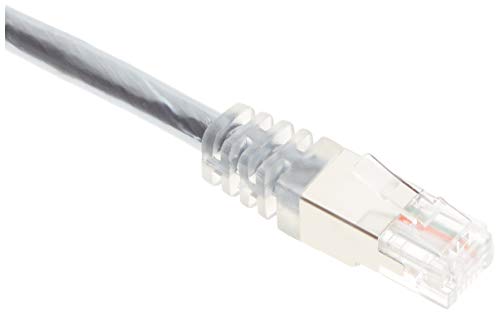
C2G – 28724 RJ11 Modem Cable – Connects Phone Jack To Broadband DSL Modems For High Speed Data Transfer – 50ft Long Ethernet Cable With Double-Shielding – 28724 Gray
RJ11 Data Transfer Cable – One (1) Gray 25 Foot RJ11 DSL Modem Cable
As an affiliate, we earn on qualifying purchases.
As an affiliate, we earn on qualifying purchases.