When choosing cables for your access control system, focus on wire gauge, shielding, insulation, and compatibility. Thicker wires like 14 or 16 AWG handle higher currents and reduce voltage drops over long runs. Shielded cables protect against electrical interference, ensuring clear signals. Make sure the insulation suits your environment, especially for outdoor setups. Proper cable selection supports your system’s reliability and performance. Keep exploring to discover how to pick the best cables for your specific needs.

Get business pricing on networking and server gear
- Business-only prices and quantity discounts
- Tax-exempt purchasing
- Multiple users, one account, clear invoices
Key Takeaways
- Use thicker wires like 14 or 16 AWG for higher current loads and longer cable runs to prevent voltage drops.
- Choose shielded cables (foil or braided) in environments with high electromagnetic interference for reliable data transmission.
- Select weather-resistant insulation for outdoor or harsh environments to enhance cable durability and lifespan.
- Ensure cable specifications match system components’ voltage, power needs, and connector compatibility for seamless operation.
- Consider cable quality and shielding techniques to maintain system integrity and prevent signal loss over time.
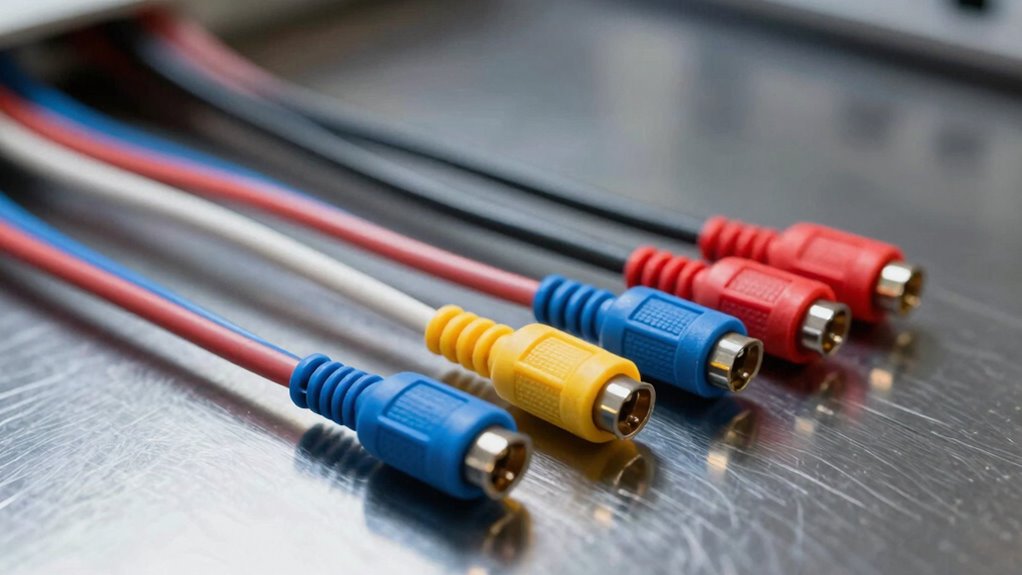
Are you selecting the right cables for your access control system? Picking the appropriate cables is essential to guarantee reliable security and seamless operation. One of the first things to consider is wire gauge. A thicker wire gauge, like 16 or 14 AWG, can handle higher current loads and reduce voltage drops over longer distances. This is especially important if your system involves multiple doors or extended cable runs. Using the correct wire gauge helps prevent signal loss, which could lead to misreads or system failures. Conversely, thinner wires might be easier to install but could compromise performance, so always match your wire gauge to your system’s power and distance requirements. Additionally, cable quality plays a crucial role in maintaining system integrity over time. Shielding techniques also play a critical role in cable selection. Shielded cables help protect your signal against electromagnetic interference (EMI) and radio frequency interference (RFI), which are common in environments filled with electronic devices, fluorescent lights, or heavy machinery. If your access control system is installed near such sources, opting for shielded cables, like foil or braided shield cables, is a smart move. These shielding techniques prevent noise from corrupting data transmissions, ensuring that your access points communicate accurately and securely. Choosing the right shielding techniques can significantly improve system performance in environments with high interference. Unshielded cables may suffice in low-interference settings, but in more complex environments, shielding helps maintain signal integrity. Additionally, selecting cables with appropriate insulation materials is vital for outdoor or harsh environments, as they help resist weather-related damage and environmental factors. For example, considering the horsepower of electric dirt bikes can be crucial if your system is installed in a location where power availability and capacity are important, as it can influence your overall power needs. The choice of cable also depends on your specific system components—whether you’re connecting proximity readers, keypads, or control panels. Make sure the cable’s specifications align with your device requirements, including voltage ratings and connector compatibility.
14 AWG shielded Ethernet cable for access control
As an affiliate, we earn on qualifying purchases.
As an affiliate, we earn on qualifying purchases.
Frequently Asked Questions
How Do I Determine the Appropriate Cable Gauge for My System?
You determine the appropriate cable gauge by considering your system’s power transmission needs and cable insulation requirements. For higher power devices, choose thicker gauges to reduce voltage drop and prevent overheating. Thinner gauges work for low-power signals. Always check your access control system’s specifications, and opt for cables with proper insulation to protect against environmental factors, ensuring reliable performance and safety.
Are There Specific Cables Recommended for Outdoor Access Control Installations?
Think of outdoor cables as a sturdy bridge over a river, built to withstand weather. For outdoor access control, use weatherproof cables, like armored or gel-filled types, to resist moisture and UV rays. Follow installation best practices by sealing connections and avoiding water traps. This guarantees your system stays reliable, even in harsh conditions, and prolongs its lifespan, keeping your access control secure and functional outdoors.
What Are the Compatibility Considerations Between Cable Types and Access Control Devices?
You need to guarantee your cable types match your access control devices’ requirements. Fiber optics work best for long-distance, high-bandwidth needs, especially with outdoor installations. Wireless connectivity is ideal for quick, flexible setups but may have limitations in bandwidth or security. Always verify your device specifications, compatibility, and environmental conditions to choose the right cable or connection method, ensuring reliable, secure access control performance.
How Does Cable Length Affect Signal Quality in Access Control Systems?
Longer cable runs in your access control system can cause signal attenuation, weakening the signal and potentially leading to unreliable device operation. To prevent this, choose cables with proper shielding to prevent interference and maintain signal integrity. Keep cable lengths within recommended limits, and consider using signal boosters or repeaters for longer runs. Proper cable choices ensure your access control system functions reliably and maintains security.
What Are the Cost Differences Between Various Cable Options for Access Control?
Choosing the right cable for your access control system is like building a sturdy bridge; costs vary based on insulation quality and connector types. Basic cables with minimal insulation are affordable but less durable, while premium options cost more but last longer and offer better signal stability. Investing in quality connectors and insulation can save you money in the long run, preventing costly replacements and system failures.
outdoor weatherproof security system cable
As an affiliate, we earn on qualifying purchases.
As an affiliate, we earn on qualifying purchases.
Conclusion
Choosing the right cables for your access control system might seem like a small detail, but it can make or break your entire setup. The right cables guarantee reliable security, seamless communication, and long-lasting performance—like having a superhero guarding your property 24/7. Don’t settle for less; picking the best cables is your secret weapon against security failures. Remember, investing in quality cables today means you’ll have the unbeatable strength and dependability of a fortress tomorrow.
high current access control wiring
As an affiliate, we earn on qualifying purchases.
As an affiliate, we earn on qualifying purchases.
electromagnetic interference shielded cable
As an affiliate, we earn on qualifying purchases.
As an affiliate, we earn on qualifying purchases.
Fall Picks
fall essentials
As an affiliate, we earn on qualifying purchases.