
Better cable practices start with asking the right questions because it helps you clearly understand the purpose, requirements, and potential issues of your wiring. By clarifying goals, you can select the right cables, plan proper routing, and avoid common problems like interference or damage. This proactive approach guarantees safety, efficiency, and future scalability. If you keep exploring, you’ll discover how asking the right questions can make all the difference in your cable management.
Key Takeaways
- Asking the right questions clarifies cable purpose, guiding proper selection, routing, and safety measures.
- Better questions enable proactive planning for future scalability and equipment upgrades.
- They help identify optimal cable types and lengths to maintain signal integrity and prevent interference.
- Inquiring about environmental and safety factors ensures long-term durability and organized management.
- Effective questioning promotes efficient, safe, and flexible cable setups, reducing errors and maintenance issues.
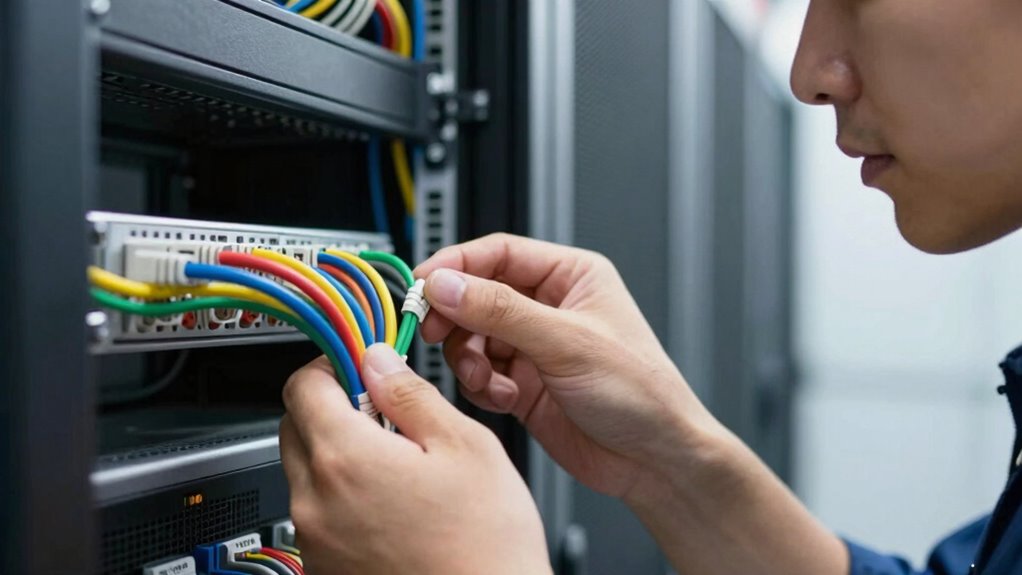
Good cable management isn’t just about neatness; it’s about efficiency and safety. When you focus on wire management, you’re not only making your workspace look cleaner but also ensuring that your equipment functions ideally. Proper cable practices reduce the risk of accidental disconnections, tripping hazards, and damage to devices. But the foundation of good cable management begins with asking the right questions. Before you start organizing or rerouting cables, you need to understand the purpose behind your setup. Why are these cables necessary? What signals are they transmitting? How long do they need to be? Asking these questions helps you determine the best routes, types of cables to use, and the appropriate connectors. It’s about designing a system that’s tailored to your specific needs rather than just throwing cables together haphazardly.
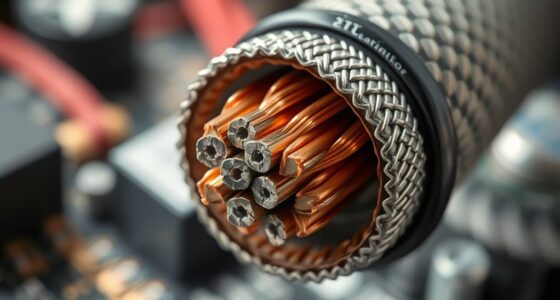
By questioning the purpose of each cable, you also improve signal integrity. Poor cable choices or messy arrangements can introduce interference, noise, or signal loss, which compromise performance. When you evaluate your cabling, you begin to see that quality wire management directly impacts signal clarity. For example, separating power cables from data cables minimizes electromagnetic interference, preserving signal quality. Choosing the right type of cable—such as shielded Ethernet for high-speed data transfer—becomes easier when you understand the demands of your network. These questions lead you to make smarter decisions about cable routing, connectors, and protective measures, all of which contribute to maintaining signal integrity. Additionally, understanding the horsepower of electric dirt bikes can inspire you to plan your setup with enough capacity for future upgrades or additional equipment. Proper cable practices also involve considering future scalability, ensuring your system can grow without major reconfigurations. Recognizing the importance of filter maintenance can help prevent issues that might arise from dust or debris affecting your setup.
Furthermore, asking the right questions helps you anticipate future needs. Will you be expanding your setup? Are you planning upgrades? Knowing these answers allows you to implement scalable wire management solutions. It’s also crucial to consider landscaping and how the environment might impact your cables, especially if exposed outdoors. A solid understanding of credit card security measures can help you design a system that minimizes risks of cyber threats and data breaches. Instead of constantly reworking your system, you set a foundation that can adapt. It also prompts you to consider safety aspects, like avoiding tight bends or sharp edges that could damage cables over time. Proper cable practices aren’t just about aesthetics—they’re about protecting your investments and ensuring long-term functionality. When you ask yourself these questions upfront, you’re more likely to develop a well-organized, efficient, and safe cable system that performs reliably. Ultimately, better cable practices start with curiosity and critical thinking—asking the right questions guides you toward smarter, safer, and more effective wiring solutions.
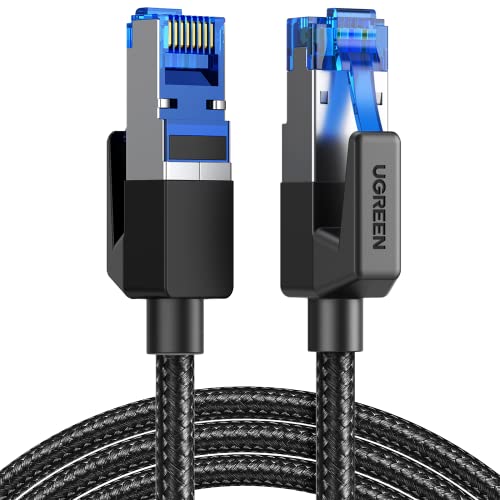
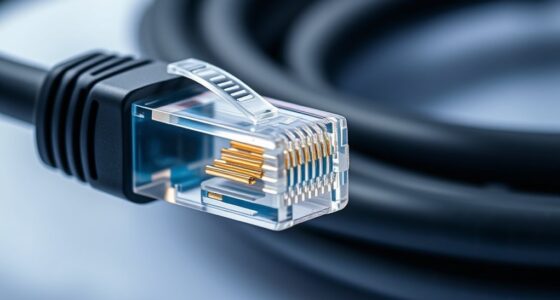
UGREEN Cat 8 Ethernet Cable 6FT, High Speed Braided 40Gbps 2000Mhz Network Cord Cat8 RJ45 Shielded Indoor Heavy Duty LAN Cables Compatible with Gaming PC PS5 PS4 PS3 Xbox Modem Router 6FT
- High-Speed Data Transfer: Supports 40 Gbps and 2000 MHz bandwidth
- Anti-Interference Design: Shielded with F/FTP, gold-plated connectors
- Durable and Flexible: Cotton braided exterior, bends over 10,000 times
As an affiliate, we earn on qualifying purchases.
As an affiliate, we earn on qualifying purchases.
Frequently Asked Questions
How Do I Identify the Right Cable for My Needs?
You identify the right cable by considering your specific needs and matching them with the appropriate cable types and connection methods. First, determine whether you need HDMI, Ethernet, USB, or other cables based on the devices you’re connecting. Then, check the connection methods—like wireless or wired options. Look at compatibility, length, and performance requirements. This approach guarantees you select the most suitable cable for your setup.
What Are Common Cable Installation Mistakes to Avoid?
You might think cable installation is straightforward, but many overlook critical mistakes. Avoid poor cable durability by not securing cables properly, which leads to wear and tear. Don’t ignore signal interference—keep cables away from electrical noise sources. Overlooking these details can cause connection issues and damage. Ironically, rushing the process or skipping planning often results in costly repairs, so take your time, plan carefully, and guarantee proper installation practices.
How Can I Improve Cable Management in Tight Spaces?
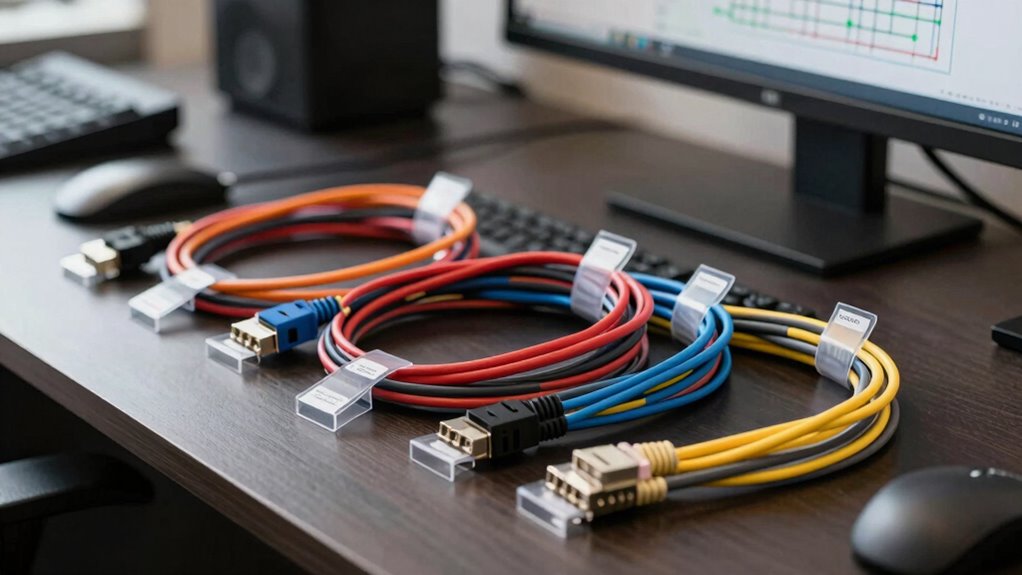
To improve cable management in tight spaces, start by labeling your cables clearly. Use cable labels to identify connections easily, which saves time and reduces confusion. Implement cord organizing solutions like cable clips or zip ties to keep cables neatly bundled and prevent tangling. Also, route cables along walls or behind furniture to maximize space. These practices help create a tidy, efficient setup that’s easier to maintain and troubleshoot.
What Safety Precautions Should I Follow When Handling Cables?
When handling cables, always prioritize safety by checking cable shielding and voltage ratings. Make sure the shielding is intact to prevent electrical shocks, especially with high-voltage cables. Confirm the voltage ratings match your application’s requirements to avoid overheating or damage. Use insulated tools, wear protective gear, and disconnect power sources before working. Properly secure and label cables to prevent accidental disconnections or hazards, keeping safety at the forefront of your cable management practices.
How Often Should Cables Be Inspected or Replaced?
You should inspect your cables regularly, typically every 6 to 12 months, depending on usage and environment. Monitoring for signs of wear, such as fraying, cracking, or exposed wires, helps extend cable longevity. Replace cables immediately if you notice damage to prevent safety hazards and guarantee peak performance. Consistent inspection intervals keep your cables in good condition, ultimately saving you money and reducing downtime.
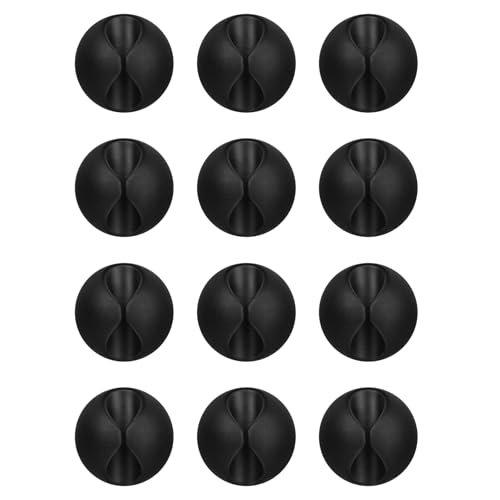
Flezoo 12PCS Black Adhesive Cable Clips Cord Organizer for Wire Management
- Package Includes: 12 black cable clips for organization
- Strong Adhesive: Adheres to wood, plastic, glass, metal, rubber
- Easy Installation: Peel, stick, and twist to remove
As an affiliate, we earn on qualifying purchases.
As an affiliate, we earn on qualifying purchases.
Conclusion
So, next time you’re tangled in cables or unsure where to start, ask better questions. Like a gentle breeze guiding a kite, your curiosity can lift you above the chaos, revealing simple, effective solutions. Sometimes, the answers come softly, just waiting for you to notice them amid the clutter. When you pause and inquire, you’ll find that clarity often arrives unexpectedly, like sunlight breaking through clouds—making better cable practices not just possible, but inevitable.

cismorvex 3 Pack Outdoor Extension Cord Safety Cover, Waterproof, Black
- Universal Fit for Various Cords: Fits 12/14/16 gauge cords and standard plugs
- Enhanced Locking Mechanism: Features 2 lockable latches for security
- Waterproof and Secure Seal: Includes rubber gaskets and cable clamps
As an affiliate, we earn on qualifying purchases.
As an affiliate, we earn on qualifying purchases.
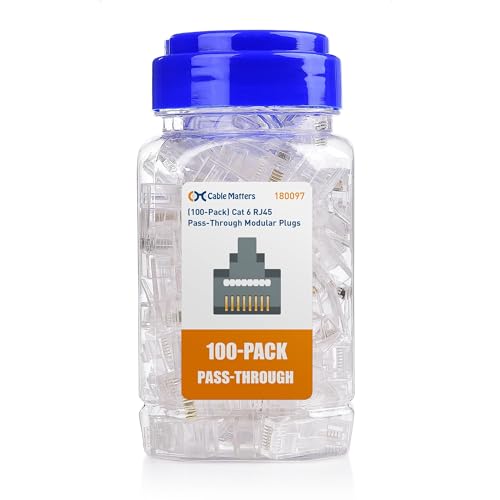
Cable Matters 100-Pack Cat 6 Pass Through RJ45 Connectors, 50µ Gold Plated
- Ideal for Custom Ethernet Cables: Supports solid and stranded UTP cables
- Secure and Stable Connection: Three-point staggered contact design
- High-Speed Gigabit Performance: Rated for 10Gb Ethernet, backward compatible
As an affiliate, we earn on qualifying purchases.
As an affiliate, we earn on qualifying purchases.