
TL;DR
A European government has launched an age verification app that only functions on Android and iOS devices. The move aims to regulate online content but raises questions about user privacy and device restrictions. The app is now mandatory for certain age-restricted services, but details about its implementation remain unclear.
The European Union has launched a new age verification app that is only compatible with Android and iOS devices, making it mandatory for users to verify their age before accessing certain online content. This development is significant because it imposes device restrictions on age verification, affecting millions of users across Europe. The move aims to strengthen online safety regulations but raises concerns about privacy, accessibility, and potential exclusion.
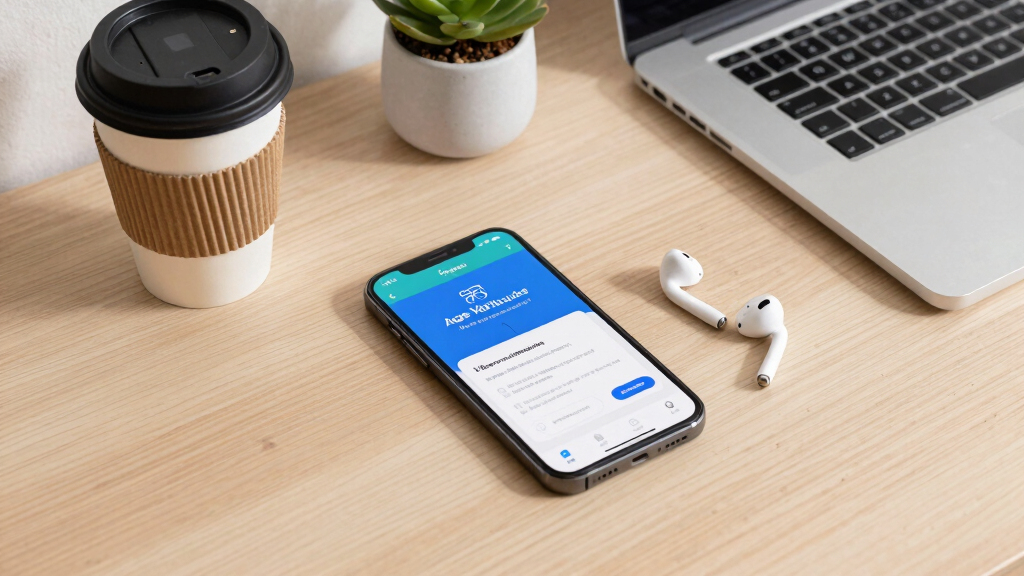
According to official sources, the European Commission announced the rollout of the new age verification app as part of its broader effort to combat online underage access to restricted content. The app is designed to verify users’ age before they can access platforms hosting age-restricted material, including social media, gaming, and streaming services. The app is only available on Android and iOS devices, effectively excluding users with other operating systems or older devices.
European authorities stated that the app employs a combination of biometric verification and government ID checks to confirm users’ ages. They emphasized that the app is a mandatory tool for service providers to ensure compliance with EU regulations on online safety. However, the exact technical details of the verification process and data handling remain undisclosed, prompting privacy concerns among advocacy groups.
Industry experts note that the app’s restriction to Android and iOS could create accessibility issues, particularly for users with older or less common devices. Critics argue that this could lead to digital exclusion for some populations, especially in rural or lower-income areas where device diversity is higher. The European Commission has not yet clarified if alternative verification methods will be available for those unable to access the app on their devices.
Implications for User Privacy and Accessibility
This development matters because it directly impacts user privacy and device accessibility. By mandating the use of a government-mandated app, the EU raises questions about data security and surveillance, especially since the verification process involves biometric and identity data. Additionally, limiting the app to Android and iOS devices risks digital exclusion for users with incompatible or older devices, potentially restricting access to online content for vulnerable populations. These issues could influence future digital policy debates across Europe and beyond.
Android biometric age verification app
As an affiliate, we earn on qualifying purchases.
As an affiliate, we earn on qualifying purchases.
EU’s Broader Efforts to Regulate Online Content
The European Union has been intensifying its regulation of online platforms, including recent laws targeting online safety and content moderation. The introduction of the age verification app aligns with these efforts, aiming to prevent minors from accessing inappropriate material. Previous initiatives have included stricter content moderation rules and age verification requirements for online gambling and social media. The app’s launch marks a step toward more centralized control of online access, reflecting ongoing policy shifts in digital regulation across Europe.
Similar measures have been proposed or implemented in various countries, but the EU’s approach is notable for its focus on biometric verification and device-specific restrictions. Critics have raised concerns about privacy rights and the potential for misuse of biometric data, while supporters argue it enhances online safety for minors. The full scope of the app’s deployment and its long-term implications are still unfolding.
“The new age verification app is a vital tool to protect minors online and ensure compliance with EU safety standards.”
— European Commission spokesperson
iOS government ID verification app
As an affiliate, we earn on qualifying purchases.
As an affiliate, we earn on qualifying purchases.
Unclear Aspects of Implementation and Privacy Safeguards
It remains unclear how the app will handle user data, what privacy protections are in place, and whether alternative verification methods will be available for those with incompatible devices. The European Commission has not disclosed detailed technical specifications or data security measures, leaving questions about potential misuse or surveillance.
Additionally, the scope of mandatory adoption by online service providers and enforcement mechanisms are still being clarified, with some stakeholders calling for more transparency and safeguards.
As an affiliate, we earn on qualifying purchases.
Next Steps in Deployment and Policy Clarification
The European Commission is expected to release further details on the app’s technical specifications, privacy safeguards, and implementation timeline in the coming weeks. Industry regulators will monitor compliance among online platforms, and advocacy groups are likely to push for more inclusive verification options. The app’s impact on user privacy, accessibility, and compliance will be scrutinized as the rollout continues.
Legal challenges and policy debates are also anticipated as stakeholders assess the balance between online safety and digital rights. The EU may consider updates or modifications based on feedback and technical developments.
biometric identity verification smartphone
As an affiliate, we earn on qualifying purchases.
As an affiliate, we earn on qualifying purchases.
Key Questions
Who is required to use the new age verification app?
The app is mandatory for online service providers hosting age-restricted content, and users are required to verify their age before accessing such content on compatible devices.
Can users access the verification process on devices other than Android or iOS?
Currently, it is not clear if alternative methods will be available for users with other devices or older operating systems. The app is only officially supported on Android and iOS.
What data does the app collect during verification?
Officials state that biometric data and government IDs are used, but detailed technical and privacy safeguards have not been publicly disclosed, raising privacy concerns.
Will there be exemptions or accommodations for users with incompatible devices?
At this stage, no specific exemptions have been announced. The European Commission has not clarified if alternative verification options will be provided.
What are the potential privacy risks associated with the app?
Privacy advocates warn that biometric and ID data collection could be vulnerable to misuse or surveillance if not properly secured, though official safeguards are yet to be detailed.
Source: hn