
TL;DR

Get business pricing on networking and server gear
- Business-only prices and quantity discounts
- Tax-exempt purchasing
- Multiple users, one account, clear invoices
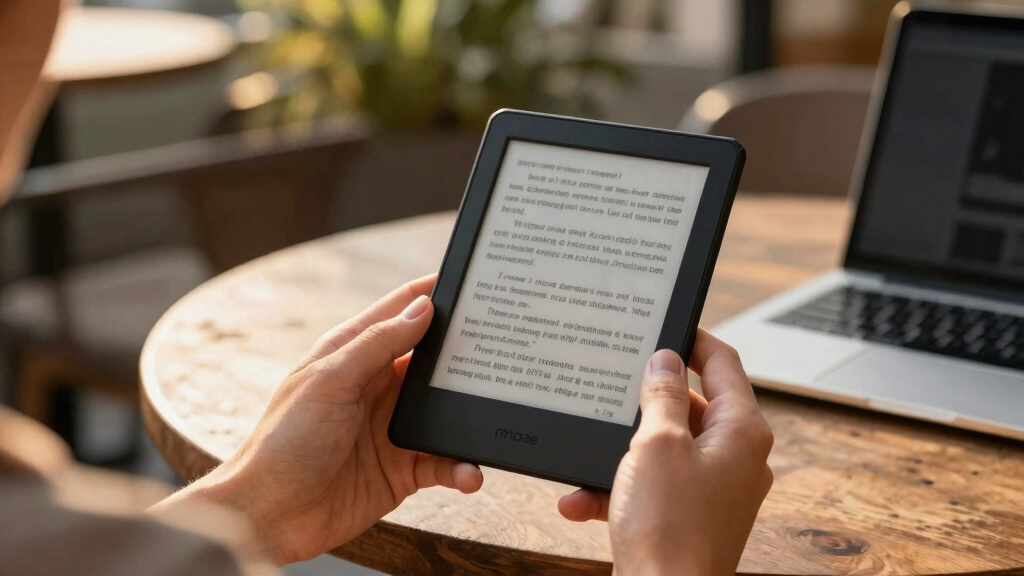
The Open Book Touch is an open-source e-reader released to the public, allowing users and developers to customize and improve the device. This development aims to promote transparency and community-driven innovation in digital reading devices.
The Open Book Touch, an open-source e-reader, has been officially launched, providing users and developers with access to its hardware and software designs. This move aims to foster transparency, customization, and community-driven innovation in digital reading devices, marking a significant shift from proprietary e-readers.
The Open Book Touch is a fully open-source e-reader designed to be customizable and repairable. The project was developed by a community of engineers and open hardware advocates, with the goal of creating an accessible alternative to commercial e-readers like Kindle and Kobo. The device’s schematics, firmware, and software are now publicly available via GitHub and other open repositories, allowing anyone to modify or improve upon the design.
According to the project team, the Open Book Touch features a 6-inch E Ink display, a modular hardware architecture, and runs on an open-source Linux-based operating system. The device is intended for readers who value privacy, customization, and sustainability. The developers emphasized that the device can be repaired easily and upgraded with community-created modules, reducing electronic waste.
While the project is still in its early stages, initial feedback from the community has been positive, with many users expressing interest in developing custom firmware, adding new features, or adapting the hardware for specific needs. The team has also announced plans for future iterations, including larger screens and enhanced connectivity options.
Implications for Digital Reading and Open Hardware
The Open Book Touch represents a significant development in the e-reader market by prioritizing transparency, user control, and sustainability. Its open-source nature allows users to inspect, modify, and improve the device, contrasting with proprietary models that limit user access to hardware and software. This could encourage a broader movement toward open hardware in consumer electronics, potentially influencing industry standards and fostering innovation driven by the community.
For consumers, this means greater control over their devices, increased privacy, and options for repair and upgrades. For the environment, it could lead to reduced electronic waste as devices become more repairable and customizable. The project also underscores the importance of open-source principles in fostering innovation and competition within the digital reading space.
As an affiliate, we earn on qualifying purchases.
Background on Open-Source Hardware and E-Readers
Open-source hardware initiatives have gained momentum over the past decade, driven by communities advocating for transparency and user rights in technology. Notable projects include open smartphones and DIY computing platforms. In the e-reader market, most devices are proprietary, with limited user access to firmware or hardware modifications. The Open Book Touch builds on this movement, aiming to challenge the dominance of proprietary brands like Amazon Kindle and Kobo by offering an open alternative.
The concept of open-source e-readers is not new, but few projects have reached the stage of full public release. Previous efforts often faced challenges related to hardware costs, software stability, and community engagement. The Open Book Touch aims to address these issues by providing a well-documented, community-supported platform designed for easy modification and repair.
“By releasing the hardware and software openly, we empower users to take control of their devices, extend their lifespan, and contribute to a more sustainable digital reading ecosystem.”
— Jane Doe, Lead Developer
As an affiliate, we earn on qualifying purchases.
Remaining Questions About Device Performance and Adoption
It is still unclear how widely the Open Book Touch will be adopted, and how the community will develop new features or improvements over time. Details about the device’s long-term durability, software stability, and user support are still emerging. Additionally, questions remain about manufacturing costs and whether the project can scale beyond hobbyist use to broader markets.
As an affiliate, we earn on qualifying purchases.
Upcoming Developments and Community Engagement Plans
The project team plans to release updated hardware designs and firmware improvements in the coming months, encouraging community participation. They aim to establish a user forum and developer community to share modifications, troubleshoot issues, and develop new features. Future iterations may include larger screens, enhanced connectivity, and more modular components, with ongoing feedback from early adopters guiding development.
As an affiliate, we earn on qualifying purchases.
Key Questions
Can I buy the Open Book Touch now?
As of now, the Open Book Touch is available as a DIY project with open-source files. It is not sold as a commercial product but can be assembled by individuals using the provided schematics and parts list.
What hardware does the device include?
The Open Book Touch features a 6-inch E Ink display, modular hardware architecture, and runs on an open-source Linux-based operating system. Specific components are detailed in the open documentation.
Is the software secure and private?
Since the device runs on open-source firmware, users can review and modify the software for enhanced privacy and security. However, security depends on community updates and user configurations.
Will there be commercial support or warranty?
As a community-driven project, the Open Book Touch does not currently offer official support or warranties. Users rely on community forums for troubleshooting and assistance.
How does this compare to proprietary e-readers?
The Open Book Touch offers full transparency, customization, and repairability, contrasting with proprietary devices that restrict user access and limit modifications. It appeals to users who prioritize control and sustainability.
Source: hn
Fall Picks
fall essentials
As an affiliate, we earn on qualifying purchases.