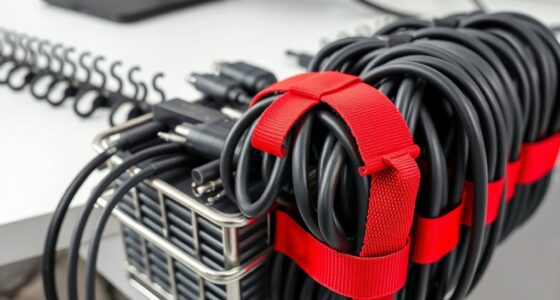
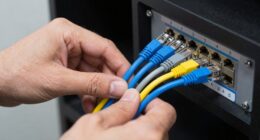
To achieve a clean cable installation, start by organizing cables into neat bundles. Choose the right lacing method—braided for a smooth look and durability, or spiral for easy modifications. Use quality materials like nylon cords or spiral wraps suited to your environment. Keep tension even when wrapping and secure the ends properly. Mastering these techniques guarantees a tidy, reliable setup; continue exploring to discover detailed steps for perfecting your cable lacing skills.
Key Takeaways
- Organize cables neatly before lacing to ensure a clean, uniform bundle.
- Choose the appropriate lacing method (braided or spiral) based on accessibility and environmental needs.
- Use the correct amount of lacing material and maintain consistent tension during wrapping.
- Secure the start and end of the lacing with knots or clips to prevent unraveling.
- Trim excess material neatly and tuck loose ends for a tidy, professional appearance.
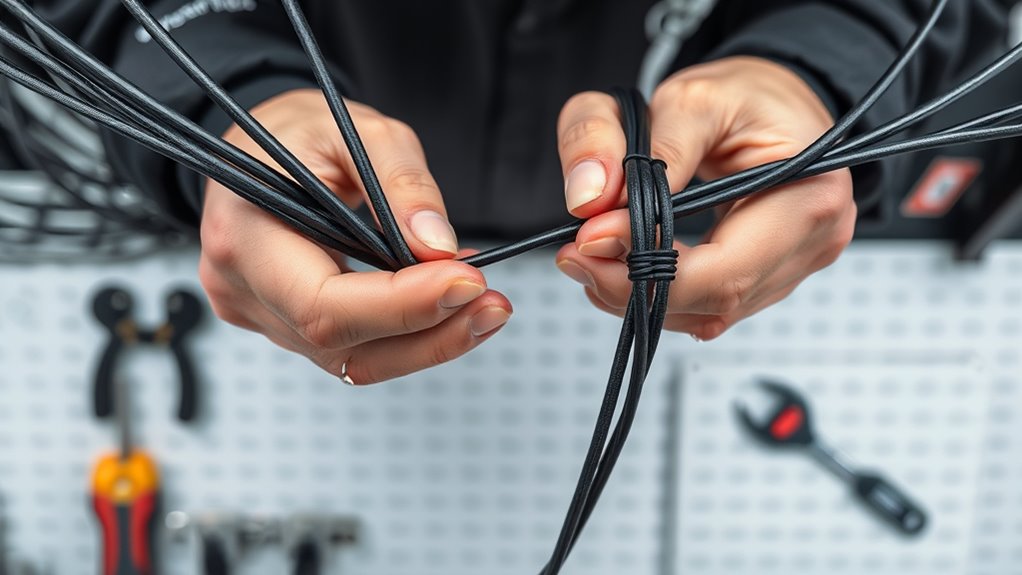
Cable lacing techniques are essential skills for organizing and securing cables neatly and securely. When you’re working on wiring projects, whether in electronics, telecommunications, or industrial setups, employing the right lacing method can make a significant difference in both appearance and functionality. Two common options you’ll encounter are braided versus spiral lacing, each offering distinct advantages based on your specific needs. Braided lacing involves using a flexible, woven material that provides a smooth, professional finish, often chosen for its durability and aesthetic appeal. Spiral lacing, on the other hand, utilizes a coiled wire or plastic spiral that wraps around cables, making it easier to add or remove cables without disturbing the entire bundle. Your choice between these two depends on factors like accessibility, cable density, and environmental conditions.
Lacing materials play a vital role in ensuring your cables stay organized and secure. Braided lacing cords are typically made from nylon or other synthetic fibers, offering flexibility, strength, and a clean look. They’re easy to manipulate and knot, allowing you to create tight, tidy bundles that resist unraveling over time. Spiral lacing, however, often uses a metal or plastic coil, which provides excellent protection against mechanical stress and vibration. When selecting lacing materials, consider factors like environmental resistance—if your cables are exposed to moisture or high temperatures, you’ll want materials that withstand those conditions without degrading. Additionally, the lacing material’s thickness and flexibility should match the cable diameter and the complexity of your bundle.
Using the right technique, whether with braided or spiral lacing, involves a few straightforward steps. Start by organizing your cables into a neat bundle, aligning them evenly. For braided lacing, cut a length of lacing cord that’s enough to wrap around the entire bundle with some extra for tying off. Begin by creating a secure starting knot around the cables, then weave the cord back and forth in a consistent pattern, ensuring each pass holds the cables tightly together. Finish by tying off the end with a secure knot and trimming any excess. With spiral lacing, wrap the coil around the cables, maintaining even tension as you go along. Once the entire bundle is wrapped, secure the end by tucking it into the coil or using a small zip tie if needed.
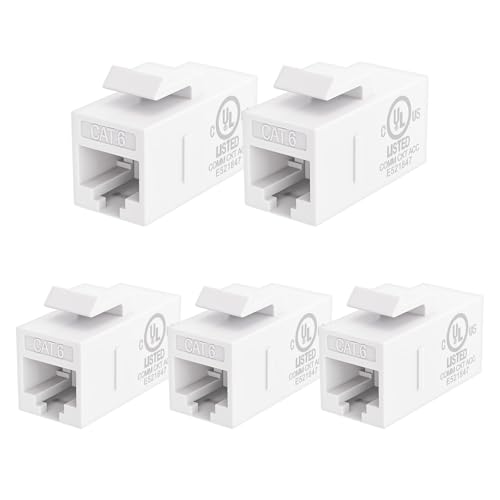
VCE UL Listed CAT6 RJ45 Keystone Jack Inline Coupler 5-Pack, Female to Female Ethernet Cable Extender - White
VCE Double Female Cat6 Keystone Coupler can be used with Cat6/Cat5/Cat5e Ethernet cables. Meet Category 6 performance in...
As an affiliate, we earn on qualifying purchases.
Frequently Asked Questions
What Are the Best Lacing Materials for High-Flexibility Applications?
For high-flexibility applications, you should choose cable lacing materials like nylon or polyester threads, as they offer excellent flexibility and durability. These materials resist cracking and maintain their strength during frequent movement. Use fine, high-quality lacing twine or flexible cable ties designed for dynamic environments. This guarantees your cables stay organized while accommodating movement without breaking or loosening, keeping your installation clean and reliable over time.
How Do I Prevent Cable Damage During Lacing?
To prevent cable damage during lacing, you should carefully control the lacing tension to avoid excessive cable strain. Use gentle, even pulls on the lacing material and avoid tight knots that can pinch or stress the cables. Regularly check the tension as you work, ensuring cables are secure without being overly compressed. Proper tension management keeps cables safe and maintains the integrity of the installation.
Can Cable Lacing Be Used for Outdoor or Weatherproof Installations?
Think of cable lacing like a sturdy vine wrapping around a tree; it can indeed embrace outdoor conditions. Weatherproof lacing materials, like nylon or polyester, are designed for outdoor durability, resisting moisture and UV rays. You can use cable lacing for outdoor installations, but guarantee you select weatherproof lacing to maintain the integrity and longevity of your cables against the elements. Proper sealing and protection further enhance outdoor durability.
What Tools Are Essential for Professional Cable Lacing?
You need essential tools like a cable lacing needle, lacing cord, and scissors for professional cable lacing. The tools overview shows that a lacing needle helps thread the cord neatly through bundles, while scissors trim excess cord for a clean look. Mastering lacing techniques, such as wrapping and tying, guarantees a secure, organized installation. These tools and techniques combine to create a professional, durable, and visually appealing cable management system.
How Does Cable Lacing Compare to Zip Ties in Durability?
Did you know cable lacing can last up to 30 years, surpassing zip ties in longevity? You’ll find that cable lacing offers superior durability because it’s tightly woven and less prone to deterioration over time. While zip tie strength is impressive initially, it can degrade, crack, or break under stress. So, if you want a long-lasting, clean, and reliable installation, cable lacing is the better choice for durability.

120 Pcs XHF Adhesive Cable Wire Clips White, Cable Staples Outdoor Cable Management Wire Organizer Cord Holder for Under Desk, Car, Wall, TV PC Ethernet Cable
High quality material:XHF Adhesive Cable Clips are manufactured from Strong Adhesive and PA66 nylon
As an affiliate, we earn on qualifying purchases.
Conclusion
Think of cable lacing as weaving a sturdy, intricate tapestry. Just as each thread holds the pattern together, your lacing keeps your cables organized and secure. When done properly, it’s like a well-tended garden—everything stays neat, accessible, and thriving. Remember, a clean installation isn’t just about looks; it’s about creating a dependable foundation. Master these techniques, and your work will be as enduring and beautiful as a carefully crafted masterpiece.
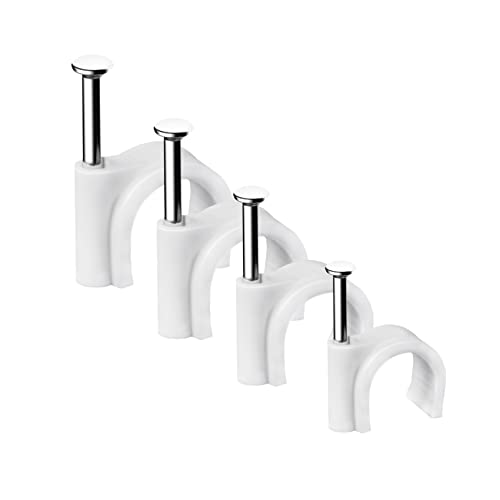
Abnii Cable Clips, 400 Pcs, 4mm 6mm 8mm 10mm, Wire Wall Clips with Steel Nails, Ethernet Cable Clips, Cable Tacks Coax Cable Clips, RG6 RG59 CAT6 RJ45 Cable Cord Clips, White…
[ 4 Size ] Pack of 400, includes 4mm x 100 Pcs, 6mm x 100 Pcs, 8mm x...
As an affiliate, we earn on qualifying purchases.

HS Saddle Type Cable Zip Tie Mounts Base Kit with Screw Hole,Set Strong 6 Inch Nylon Cable Ties and Screws Each 100 PCS,Wire Clips Anchor Management Fastener for Baseborad,Wall or Desk,Black
HS zip ties 6 inch and wire tie mounts hold downs are made of high qualtiy nylon6/6 material,UL...
As an affiliate, we earn on qualifying purchases.