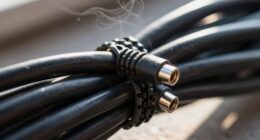
While space is limited in edge and micro data centers, the importance of efficient cabling cannot be overstated. Properly managed cables are vital for maximizing available space, ensuring reliable power, and maintaining ideal cooling. Poor cabling can lead to overheating, disruptions, and difficult maintenance. As you explore these environments, understanding the best practices in cabling will help you build resilient and scalable solutions that meet the unique demands of edge computing.
Key Takeaways
- Structured cabling simplifies power and data management, reducing clutter in space-constrained edge and micro data centers.
- Using high-quality, shielded cables minimizes electromagnetic interference, ensuring reliable signal transmission.
- Organized and labeled cabling facilitates quick troubleshooting, upgrades, and maintenance in compact setups.
- Proper cable management supports efficient airflow, aiding cooling and preventing overheating risks.
- Integrating cabling considerations with power and cooling systems enhances overall infrastructure reliability and scalability.

As the demand for faster data processing grows, edge data centers and micro data centers have become essential to distributing computing power closer to users and devices. These compact setups support real-time applications like IoT, autonomous vehicles, and smart cities, making efficient operation crucial. One key aspect you need to focus on is power management. Because these centers are often located in diverse environments with limited space, optimal power distribution ensures stability and prevents outages. You’ll want to implement intelligent power management systems that monitor energy consumption and distribute power efficiently, minimizing waste and reducing operational costs. Proper power management also involves planning for redundancy, so if one power source fails, the backup kicks in seamlessly, maintaining uninterrupted service.
Efficient power management is vital for reliable, stable edge and micro data centers in diverse, space-limited environments.
Cooling solutions are equally significant in maintaining the reliability and longevity of your edge or micro data center. Due to their smaller size, these centers tend to generate concentrated heat, which can quickly lead to overheating if not managed properly. You should consider innovative cooling methods tailored to compact spaces, such as liquid cooling, rear-door heat exchangers, or hot aisle containment. These solutions help remove heat efficiently without taking up excessive space or requiring extensive infrastructure. Proper cooling not only extends the lifespan of your equipment but also ensures consistent performance, preventing costly downtimes.
When cabling your edge or micro data center, think about how the physical setup impacts your power and cooling strategies. Structured cabling makes it easier to manage power and signals, reducing clutter that can obstruct airflow or complicate maintenance. High-quality, shielded cables can also minimize electromagnetic interference, which is especially important in densely packed environments. Keep cables organized and clearly labeled to facilitate quick troubleshooting and upgrades, avoiding unnecessary downtime. Proper cable management directly supports your cooling solutions by promoting unobstructed airflow, which helps keep temperatures under control.
In essence, designing and maintaining an efficient edge or micro data center revolves around robust power management, effective cooling solutions, and organized cabling. These elements work together to ensure your systems run smoothly, minimize energy waste, and stay protected against overheating. As technology advances and the volume of data continues to skyrocket, paying close attention to these foundational aspects will help you deliver reliable, high-performance edge computing that meets the demands of modern digital applications.

The 2027-2032 World Outlook for Data Center Structured Cabling
As an affiliate, we earn on qualifying purchases.
As an affiliate, we earn on qualifying purchases.
Frequently Asked Questions
How Do Cabling Standards Differ for Edge vs. Traditional Data Centers?
You’ll find cabling standards for edge data centers emphasize flexibility and quick deployment, often with simplified cable management to adapt to limited space. In contrast, traditional data centers prioritize high-density cable management and organized layouts for scalability. Edge standards focus on shorter cables and easier access, whereas traditional centers require extensive planning for future growth. Adapting your cabling standards guarantees efficient, reliable connections tailored to each environment’s unique needs.
What Are the Best Practices for Managing Micro Data Center Cable Upgrades?
To manage micro data center cable upgrades effectively, focus on cable organization and thorough upgrade planning. You should document existing cabling layouts, identify upgrade needs, and create a detailed timeline. Use color-coded cables for easy identification, and guarantee proper labeling. Regular inspections and maintenance help prevent issues, while planning upgrades during low-traffic periods minimizes disruptions. Staying organized and proactive ensures smooth upgrades and ideal micro data center performance.
How Does Cabling Impact Network Latency in Edge Data Centers?
Cabling directly impacts network latency because poor cable management can cause signal degradation and delays. You should focus on fiber enhancement by using high-quality, properly terminated fiber optic cables to guarantee fast data transmission. Good cable management keeps cables organized and reduces interference, which minimizes latency. By maintaining ideal cable routing and employing reliable fiber solutions, you can considerably improve network performance and responsiveness in edge data centers.
What Are Common Challenges in Cabling for Distributed Micro Data Centers?
You’ll quickly find that cabling challenges in micro data centers are no joke. Ensuring cabling redundancy is a constant battle against tangled chaos, making cable management a nightmare. You might think it’s simple, but poorly organized cables cause delays and failures. The real challenge? Keeping everything neat, accessible, and redundant, all while avoiding spaghetti wiring that turns maintenance into a treasure hunt. Good luck, cable wranglers!
How Can Cabling Solutions Optimize Space in Compact Edge Facilities?
You can optimize space in compact edge facilities by implementing efficient fiber management solutions that reduce clutter and improve airflow. Use modular patch panels and flexible cabling methods to maximize space and facilitate easy maintenance. Prioritize organized routing to prevent tangling, which helps you utilize every inch effectively. These strategies ensure your cabling remains manageable, promotes better space optimization, and enhances overall system performance in tight environments.

MICRO CONNECTORS 50ft CAT 6A 10G Shielded (STP) Patch Cable/Blue
High performance CAT 6A 24 AWG Ethernet patch cable is perfect for connecting computers with devices such as…
As an affiliate, we earn on qualifying purchases.
As an affiliate, we earn on qualifying purchases.
Conclusion
Remember, a well-organized cabling system is the backbone of efficient edge and micro data centers. By prioritizing structured wiring, good cable management, and integrating advanced cooling and power solutions, you guarantee reliability and scalability. When it comes to data center success, don’t forget the saying: “A stitch in time saves nine.” Investing in proper cabling now will save you headaches and downtime later, keeping your infrastructure running smoothly and efficiently.
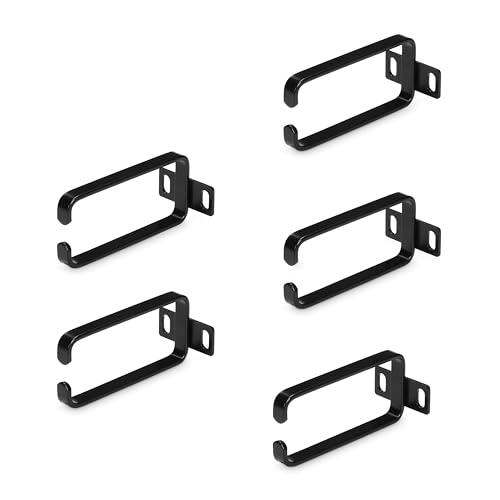
StarTech 5-Pack 1U Vertical 1.8 x 3.9in (4.5 x 10cm) Server Rack Cable Management D-Ring Hook; Network Rack-Mount Cord Organizer; Cable Manager for 19" and 10" Cabinets
CONTROL VERTICAL CABLE RUNS: Mounts vertically to 2-post and 4-post racks and supports both 10-inch and 19-inch rack…
As an affiliate, we earn on qualifying purchases.
As an affiliate, we earn on qualifying purchases.

CY Cable PCI-E 5.0 Mini Cool Edge IO MCIO PCI-E 4i 38Pin Male to SFF-8611 Oculink 4X Extender Cable 50cm
High-speed data transfer: This cable is designed for use with ssd that use MICO to 4x SFF-8611 connectors,…
As an affiliate, we earn on qualifying purchases.
As an affiliate, we earn on qualifying purchases.