
Many fiber projects fail early because you overlook community concerns, regulatory hurdles, and stakeholder engagement. When residents and businesses fear disruptions or environmental impacts, resistance grows. Regulatory delays and legal challenges can stall progress if you don’t understand the rules upfront. Poor communication with communities and authorities can also cause opposition and setbacks. Focusing on these factors early can help you avoid common pitfalls; keep going to discover how to turn plans into successful fiber deployments.

Get business pricing on networking and server gear
- Business-only prices and quantity discounts
- Tax-exempt purchasing
- Multiple users, one account, clear invoices
Key Takeaways
- Lack of proactive community engagement leads to resistance and delays, preventing project initiation.
- Regulatory hurdles and planning delays cause unforeseen setbacks before construction begins.
- Ignoring social factors and public sentiment fuels opposition, hindering project approval.
- Poor stakeholder relationship management reduces support, increasing the risk of project failure.
- Inadequate market analysis and contingency planning leave projects vulnerable to early disruptions.
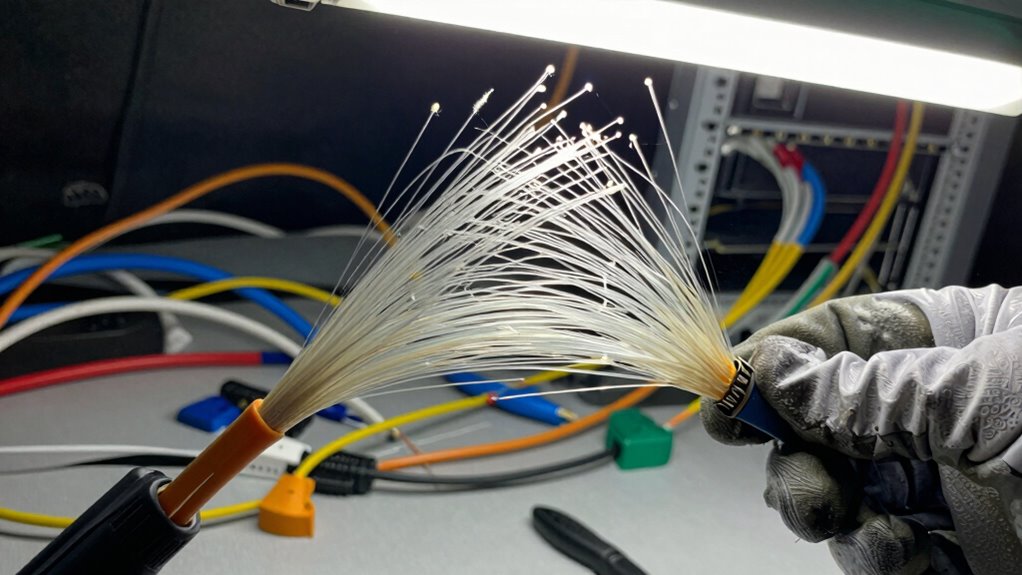
Despite widespread investment and high hopes, many fiber optic projects are failing to deliver the promised speeds and reliability. The reasons behind these setbacks aren’t just technical; they often stem from social and regulatory hurdles that can halt progress before it even begins. One of the most significant issues is community engagement. When local residents and businesses aren’t properly involved or informed, resistance can quickly build. People may fear construction disruptions, environmental impacts, or simply lack trust in the project’s benefits. Without proactive outreach and transparent communication, communities can oppose fiber rollout, leading to delays, increased costs, or outright cancellations. You might find that neglecting community needs and concerns fuels opposition that’s hard to overcome once the project is underway. To succeed, you need to foster strong community engagement from the start, making sure residents understand how fiber access will improve their daily lives and local economies. Additionally, understanding the importance of regulatory challenges and planning accordingly can help prevent unforeseen delays. Recognizing the social factors that influence project acceptance is crucial for building support and avoiding opposition that can be difficult to resolve later on. These regulatory and community factors are intertwined. For example, community opposition often intensifies when residents feel ignored or misunderstood by authorities. Conversely, strong community support can influence regulators to expedite approvals or relax certain restrictions. Your success depends on how well you manage these relationships. Failing to prioritize community engagement means risking opposition, while neglecting regulatory challenges can lead to legal roadblocks. Both require your active involvement and strategic planning. Additionally, employing market analysis to anticipate community concerns and regulatory trends can significantly improve project planning and stakeholder cooperation. A comprehensive understanding of public sentiment can help anticipate potential issues before they escalate. Moreover, staying informed about cloud service outages and their impact can help you develop contingency plans to ensure project continuity despite unforeseen disruptions. By addressing these issues head-on, you can mitigate risks that might otherwise derail your fiber project before it even starts. Ultimately, understanding and working with community and regulatory landscapes are essential steps toward transforming high hopes into actual, reliable fiber infrastructure.
fiber optic community engagement kit
As an affiliate, we earn on qualifying purchases.
As an affiliate, we earn on qualifying purchases.
Frequently Asked Questions
How Do Funding Issues Impact Fiber Project Success?
Funding issues directly impact fiber project success by creating funding shortages and budget constraints that delay or halt progress. When you face limited financial resources, it becomes challenging to cover costs like equipment, labor, and permits. These constraints can lead to missed deadlines, reduced scope, or even project abandonment. Without sufficient funding, you struggle to sustain momentum and guarantee the project’s long-term viability, ultimately risking failure before starting.
What Role Does Community Support Play in Fiber Projects?
Community support plays a critical role in fiber projects, often making or breaking their success. When you foster strong community engagement and build local partnerships, you create a sense of ownership that motivates everyone involved. Without this support, projects face skepticism and resistance. Your proactive efforts to involve residents and local organizations can turn a tentative initiative into a thriving network, ensuring the project’s long-term viability and success.
How Do Regulatory Hurdles Delay Fiber Deployment?
Regulatory delays and permitting hurdles can substantially slow down fiber deployment. When you encounter complex approval processes, it takes longer to get necessary permits, which pushes back project timelines. These hurdles often involve maneuvering through local, state, and federal regulations, leading to bureaucratic delays. As a result, your project faces unforeseen setbacks, increasing costs and reducing the speed at which you can deliver high-speed internet to communities.
What Technical Challenges Cause Early Project Failures?
You should know that nearly 60% of fiber projects stumble early due to technical barriers. These challenges include difficult terrain, signal attenuation issues, and equipment compatibility problems. Fiber optic installation requires precise alignment and advanced technology; without proper planning, these technical issues can halt progress. Addressing these barriers upfront guarantees smoother deployment, reducing delays and cost overruns, and ultimately increasing the chances of project success from the start.
How Important Is Project Management in Fiber Initiatives?
Project management is vital in fiber initiatives because it guarantees effective resource allocation and stakeholder engagement. You need to plan carefully to avoid delays and budget overruns, keeping everyone informed and involved. Strong project management helps identify risks early, coordinate tasks efficiently, and maintain clear communication channels. This proactive approach increases the chances of your fiber project’s success and prevents common pitfalls that lead to failure before starting.
fiber project regulatory compliance guide
As an affiliate, we earn on qualifying purchases.
As an affiliate, we earn on qualifying purchases.
Conclusion
Before you delve into fiber projects, remember that rushing the planning phase can lead to failure—like trying to plug in a floppy disk in a USB port. You need patience, thorough research, and realistic expectations. If you skip these steps, your project might end up as obsolete as dial-up internet. So, learn from the past, plan meticulously, and make certain your fiber ambitions don’t become another forgotten relic in the tech museum of missed opportunities.
fiber optic project stakeholder management tools
As an affiliate, we earn on qualifying purchases.
As an affiliate, we earn on qualifying purchases.
Halloween Picks
halloween
As an affiliate, we earn on qualifying purchases.