
TL;DR

Get business pricing on networking and server gear
- Business-only prices and quantity discounts
- Tax-exempt purchasing
- Multiple users, one account, clear invoices
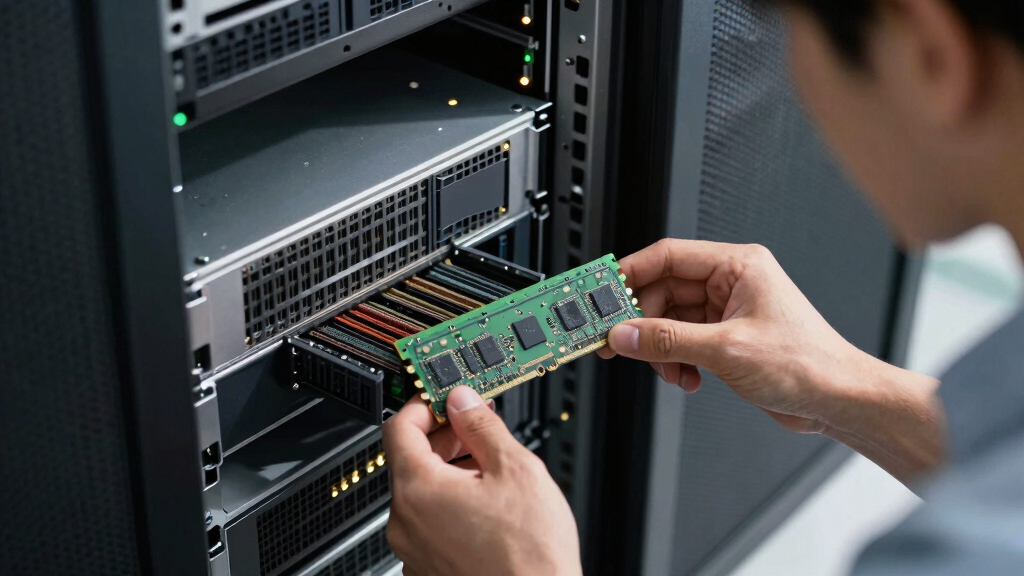
Meta is repurposing older RAM modules in its latest server deployments by employing a custom bridge chip. This approach aims to cut costs and enhance resource efficiency. The development is confirmed, but details about the scale and impact remain unclear.
Meta is reusing older RAM modules in its latest server designs, employing a custom bridge chip to facilitate this process. This move aims to reduce hardware costs and improve resource utilization. The practice has been confirmed by sources familiar with Meta’s hardware strategy, marking a notable shift in how the company manages its infrastructure components.
According to recent reports, Meta has integrated previously used RAM modules into its new server hardware. The company is deploying a custom-designed bridge chip that allows recycled RAM to function effectively within new server architectures. This approach is part of Meta’s broader effort to optimize hardware costs and reduce electronic waste.
The custom bridge chip acts as an intermediary, enabling older RAM modules to communicate seamlessly with modern server components. This technology is reportedly designed in-house by Meta’s hardware engineering teams, though detailed technical specifications have not been publicly disclosed. The initiative is believed to be in pilot phases, with broader deployment still under evaluation.
Meta’s move to reuse RAM is a departure from traditional practices, where server hardware typically relies on brand-new memory modules. The company aims to leverage existing components to cut costs amid rising infrastructure expenses and supply chain constraints. Experts suggest this could set a precedent for other data center operators seeking cost savings and sustainability benefits.
Implications for Cost and Sustainability in Data Centers
This development could significantly impact data center hardware economics by lowering procurement costs through component reuse. Additionally, reusing RAM aligns with sustainability goals by reducing electronic waste and prolonging the lifecycle of existing hardware. If successful at scale, this approach might influence industry standards for server hardware design and component lifecycle management.
As an affiliate, we earn on qualifying purchases.
Meta’s Hardware Strategy and Recycled Components
Meta has been investing heavily in expanding its data center infrastructure to support its social media, virtual reality, and AI services. Traditionally, the company has relied on new hardware components to ensure performance and reliability. However, recent supply chain disruptions and rising costs have prompted innovation in hardware management. The reuse of RAM modules, facilitated by a custom bridge chip, appears to be part of Meta’s broader strategy to optimize resources and reduce environmental impact. This approach is somewhat aligned with industry trends toward sustainability, but Meta’s specific implementation remains unique in its scale and technical approach.
“The custom bridge chip allows us to repurpose existing RAM modules without compromising performance, which is a significant step toward more sustainable data center operations.”
— a Meta hardware engineer
As an affiliate, we earn on qualifying purchases.
Technical and Deployment Details Still Unclear
It is not yet clear how widespread the reuse of RAM modules will be across Meta’s infrastructure or whether the custom bridge chip has been adopted beyond pilot phases. Specific technical details, such as performance benchmarks and longevity of recycled RAM, remain undisclosed. Additionally, the long-term reliability and potential limitations of this approach are still under evaluation, and Meta has not publicly commented on these aspects.
As an affiliate, we earn on qualifying purchases.
Monitoring Deployment and Performance Outcomes
Meta is expected to continue testing and gradually expanding the use of recycled RAM in its data centers. Future updates may include technical performance data and assessments of cost savings or environmental benefits. Industry observers will watch for whether this approach influences broader hardware procurement strategies among other large-scale data operators.
As an affiliate, we earn on qualifying purchases.
Key Questions
Why is Meta reusing old RAM in new servers?
Meta aims to reduce hardware costs and environmental impact by recycling existing RAM modules, facilitated by a custom bridge chip that ensures compatibility and performance.
How does the custom bridge chip work?
The chip acts as an intermediary, enabling older RAM modules to communicate effectively with modern server components, although detailed technical specifications are not publicly available.
Is this approach common in the industry?
Reusing RAM with custom solutions is uncommon at large scale; most data centers rely on new components. Meta’s strategy could influence future practices if proven successful.
What are potential risks of reusing RAM?
Risks include reduced reliability, potential performance issues, and shorter lifespan of recycled modules. These factors are still under evaluation by Meta.
When will Meta fully adopt this recycling approach?
It is not yet clear how quickly Meta will scale this practice, as deployment is still in pilot phases with ongoing testing and assessment.
Source: hn
Halloween Picks
halloween
As an affiliate, we earn on qualifying purchases.