
Many emerging markets are leapfrogging traditional infrastructure stages, skipping landline networks to jump straight into 4G and 5G. This rapid digital shift opens significant opportunities for network equipment providers, yet it also presents unique challenges like rural connectivity and cost constraints. Understanding how these regions are transforming can reveal strategies to capitalize on their growth—and why these markets matter more than ever for your business.
Key Takeaways
- Growing demand for advanced network infrastructure driven by digital transformation and IoT deployment.
- Rural and remote areas require scalable, cost-effective solutions like satellite systems and small cells.
- Regional customization and partnerships are essential for successful market entry and deployment.
- Governments and international programs are investing in infrastructure to promote digital inclusion.
- Long-term growth opportunities exist through adoption of new technologies, boosting economic development.

As emerging economies accelerate their digital transformation, the demand for advanced network equipment is surging. You’ll find that this growth is driven by a variety of factors, including the need to support IoT deployment and improve rural connectivity. These regions are rapidly adopting new technologies to bridge the digital divide and foster economic development. As a result, network equipment providers have a unique opportunity to expand their reach and influence in these markets.
Emerging economies’ digital shift boosts demand for network equipment, opening new growth opportunities in IoT and rural connectivity.
IoT deployment is a key driver behind this surge. You’ll see that, in emerging markets, IoT applications span agriculture, manufacturing, healthcare, and urban management. To support these applications, robust network infrastructure becomes essential. This means deploying equipment capable of handling massive data flows, ensuring low latency, and providing reliable connectivity. You might need to tailor your solutions for diverse environments, from dense urban areas to remote rural zones. For rural connectivity, the challenge often lies in reaching isolated communities and creating affordable, scalable network solutions. You’ll find that deploying lightweight, cost-effective equipment, such as small cell sites or satellite-based systems, can make a real difference. These solutions help extend internet access to rural areas, enabling farmers to access market information, healthcare providers to reach patients remotely, and local businesses to thrive online.
In these markets, infrastructure investment is often driven by government initiatives and international development programs. You should consider partnering with local governments and organizations to align your solutions with their goals. This collaboration can accelerate deployment and guarantee your equipment addresses specific regional needs. Additionally, you need to stay adaptable—what works in one country might not suit another. For instance, some regions may prioritize mobile broadband, while others focus on fixed wireless solutions for rural areas. Your ability to customize and support a variety of deployment models will be vital for success. Moreover, understanding the specific infrastructure requirements, such as high-performance network equipment, is crucial for meeting the demands of emerging markets.
Emerging markets also present a significant opportunity in terms of market growth and long-term revenue streams. As you expand your presence, you’ll help these economies leapfrog traditional infrastructure stages, directly adopting advanced, scalable network technology. This not only boosts their digital capabilities but also positions your company as a key player in shaping the future of connectivity across these regions. Ultimately, by focusing on IoT deployment and rural connectivity, you can access the full potential of emerging markets, fostering digital inclusion and economic growth while strengthening your market position.

Cell Phone Signal Booster for Verizon and AT&T | Up to 4,500 Sq Ft | Boost 4G LTE 5G Signal on Band 12/13/17 | 65dB Dual Band Cellular Repeater with High Gain Antennas | FCC Approved
- Compatible with Verizon and AT&T: Boosts 4G LTE and 5G signals on Bands 12/13/17
- Covers up to 4,500 sq ft: Provides wide-area cellular coverage
- High Gain Dual Band Antennas: Ensures strong signal reception and transmission
As an affiliate, we earn on qualifying purchases.
As an affiliate, we earn on qualifying purchases.
Frequently Asked Questions
Which Emerging Markets Show the Fastest Growth Potential?
You should focus on markets like India, Southeast Asia, and parts of Africa, where smart city initiatives and 5G adoption are accelerating rapidly. These regions are investing heavily in infrastructure to support urban growth and digital transformation, creating high demand for network equipment. Your growth potential is highest there because governments and private sectors are prioritizing connectivity, making them prime targets for expanding network solutions.
What Are the Key Challenges in Entering Emerging Markets?
You face significant hurdles when entering emerging markets, where technological barriers and market entry strategies can make or break your success. Steering unpredictable regulations, local competition, and infrastructure gaps demands careful planning and adaptability. If you don’t address these challenges head-on, you risk costly setbacks. The key lies in crafting flexible strategies that embrace local nuances, ensuring you overcome technological barriers and seize growth opportunities before others do.
How Do Regulatory Policies Impact Network Equipment Deployment?
Regulatory policies directly impact your network equipment deployment by requiring strict regulatory compliance, which can delay projects or increase costs. Policy incentives, such as subsidies or streamlined approval processes, can facilitate faster deployment and lower barriers. You need to stay informed about local regulations and leverage incentives to guarantee smooth implementation. Meeting compliance standards efficiently allows you to capitalize on market opportunities while avoiding legal or financial penalties.
What Local Partnerships Are Essential for Market Entry?
To succeed in market entry, you need strong local partnerships like joint ventures with regional firms, which provide valuable market insight and credibility. Establish reliable distribution channels to guarantee your products reach customers efficiently. These collaborations help navigate local regulations, cultural nuances, and logistics challenges. By building local joint ventures and robust distribution networks, you can accelerate your market penetration and build trust with customers in emerging markets.
How Does Infrastructure Readiness Affect Market Potential?
You’re on the right track when you realize infrastructure readiness is the backbone of market potential. If the digital divide is wide, your network equipment won’t reach its full potential. Investing in robust infrastructure bridges gaps and opens doors for growth. Without these investments, your market entry could be a shot in the dark. Strengthening infrastructure guarantees your technology will thrive, making your efforts more impactful and sustainable in emerging markets.
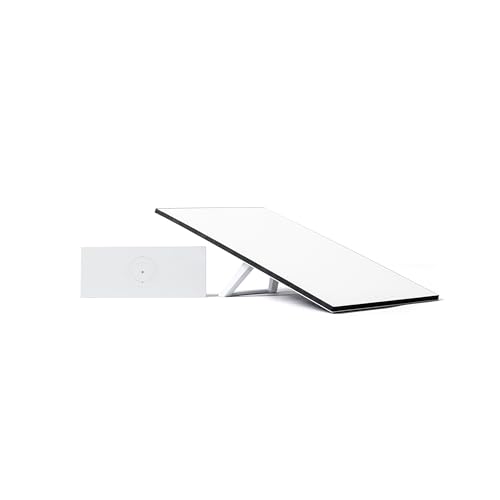
STARLINK Standard Kit AX 4 X Tri Band Wi-Fi System – High-Speed, Low-Latency V4 Internet Band AC Wi-Fi Router and Satellite Dish System – High-Speed Portable Internet – White
- High-Speed Internet: Reliable, low-latency connectivity
- Service Plan Required: Activate with a personalized plan
- Flexible Plans: Options for home or travel
As an affiliate, we earn on qualifying purchases.
As an affiliate, we earn on qualifying purchases.
Conclusion
As you tap into emerging markets, you’ll discover resources and growth opportunities that can outpace even the most ambitious dreams. By customizing solutions and forging strong local partnerships, you’ll uncover a world of digital transformation that’s transforming entire economies. These markets aren’t just growing—they’re exploding with potential, making them the ultimate playground for network equipment providers ready to lead the charge. Embrace the challenge, and you’ll be shaping the future of global connectivity like a true pioneer.

GL.iNet GL-X3000 (Spitz AX) Cellular Gateway 5G Router for House & RV, Wi-Fi 6, Detachable Antennas, Dual-SIM, T-Mobile & AT&T IoT Device Certified, Family/Rural Area/Road Trips
- Fast Wi-Fi 6 Cellular Router: High-speed internet with MU-MIMO technology
- 5G and Dual-SIM Support: Lightning-fast 5G speeds with automatic failover
- Certified for T-Mobile & AT&T: Compatible with major US carriers
As an affiliate, we earn on qualifying purchases.
As an affiliate, we earn on qualifying purchases.

Cambium Networks ePMP 3000 5 GHz Access Point Radio – Double Sector Capacity by Serving 2 MIMO Users at Once – Immune to Strong External Interference – 4×4 MU-MIMO AP – (FCC) (US only) – C058910A102A
- High Capacity: Over 1 Gbps with 4×4 MU-MIMO
- Double Sector Coverage: Serves 2 MIMO users simultaneously
- Strong External Interference Immunity: Resistant to external signal interference
As an affiliate, we earn on qualifying purchases.
As an affiliate, we earn on qualifying purchases.