TL;DR

Get business pricing on networking and server gear
- Business-only prices and quantity discounts
- Tax-exempt purchasing
- Multiple users, one account, clear invoices
Samsung is expected to more than double its production of HBM4 and HBM4E DRAM chips. This move aims to meet rising demand from data centers and AI applications, marking a significant supply expansion. The development is based on industry trend signals, but official confirmation is pending.
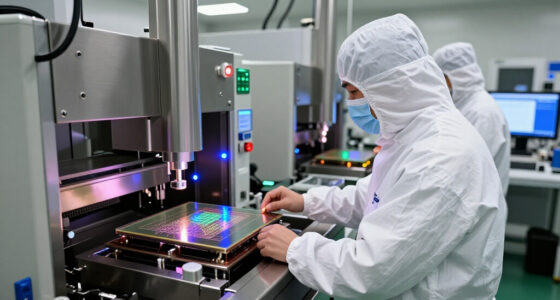
Samsung is planning to more than double its production of high-bandwidth memory (HBM) DRAM chips, specifically HBM4 and HBM4E models, according to industry trend signals. This expansion aims to address surging demand from data centers, artificial intelligence, and high-performance computing markets. While official confirmation from Samsung has not yet been issued, supply chain sources suggest a significant ramp-up in manufacturing capacity is imminent, marking a major shift in the high-speed memory market.
Industry sources report that Samsung, the leading manufacturer of HBM DRAM, is preparing to substantially increase its output of HBM4 and HBM4E chips. The expected increase could be more than twofold compared to current production levels, which are already high given the chips’ critical role in AI and data center infrastructure. The move appears to be driven by rising demand for high-bandwidth memory solutions, especially as AI model training and data processing workloads grow rapidly. Samsung’s investment in expanding manufacturing capacity aligns with broader industry trends indicating a supply squeeze for advanced memory modules.
While Samsung has not officially announced the scale of this increase, industry insiders suggest that the company is ramping up its fabrication lines to meet future orders. The HBM4 and HBM4E chips are designed to offer higher speeds and greater efficiency, making them essential for next-generation servers, supercomputers, and AI accelerators. The expected capacity expansion could significantly influence the global supply chain, potentially easing current shortages and reducing lead times for high-performance memory components.
Analysts note that this development could give Samsung a competitive edge in the high-end memory market, which has been characterized by tight supply and high prices. The company’s move to boost output is seen as a strategic response to the increasing adoption of AI and data-intensive applications that demand faster, more efficient memory solutions. The timing of this ramp-up remains uncertain, but industry signals suggest it could start within the next few months, possibly coinciding with new product launches or capacity upgrades at Samsung’s fabrication facilities.
Implications for Memory Supply and Market Dynamics
The anticipated increase in Samsung’s HBM4 and HBM4E output is significant because it could alleviate current supply constraints in high-performance memory chips, which are vital for AI, data centers, and supercomputing. This expansion may lead to more stable prices and shorter lead times for manufacturers relying on these components. Furthermore, Samsung’s move could intensify competition among memory suppliers, prompting other producers to accelerate their own capacity expansions. For consumers and enterprise users, the development promises a more robust supply chain for critical high-bandwidth memory modules, potentially enabling faster deployment of AI and data infrastructure projects.
As an affiliate, we earn on qualifying purchases.
Growing Demand for High-Bandwidth Memory in AI and Data Centers
The global demand for high-bandwidth memory (HBM) chips has been rising sharply over the past few years, driven by the expansion of AI workloads, data center expansion, and high-performance computing needs. Samsung is a key player in this market, with its HBM4 and HBM4E products designed to support the most demanding applications. Industry signals indicate that the company is responding to this trend by planning a significant increase in production capacity. This aligns with broader industry movements, such as increased investments in AI infrastructure and the push for faster, more efficient memory solutions to keep pace with computational growth.
Until now, supply constraints and high prices have limited the availability of advanced HBM chips, but a capacity expansion by Samsung could shift the market dynamics. The timing of this increase remains unconfirmed, but market analysts suggest it is a strategic move to meet future demand and maintain Samsung’s leadership position. The broader context includes ongoing technological advancements in memory architecture and the continuous push for higher bandwidths in next-generation data processing systems.
As an affiliate, we earn on qualifying purchases.
Unconfirmed Details on Production Scale and Timeline
It is not yet clear exactly how much Samsung plans to increase its HBM4 and HBM4E output, nor is the specific timeline confirmed. Industry signals suggest a more than doubling of capacity, but official figures and schedules have not been disclosed. It remains uncertain whether this expansion will be phased gradually or implemented rapidly within a few months, and how it will impact global supply chains in the short term.
As an affiliate, we earn on qualifying purchases.
Monitoring Samsung’s Capacity Expansion Announcements
Next steps include watching for official statements from Samsung regarding their production plans and capacity upgrades. Industry analysts will also track supply chain movements, new product launches, and capacity utilization reports to gauge the actual impact of this anticipated expansion. If confirmed, the increased output could influence pricing and availability of high-bandwidth memory modules in the coming quarters, especially as AI and data center demands continue to grow.
As an affiliate, we earn on qualifying purchases.
Key Questions
Why is Samsung increasing HBM4 and HBM4E production?
Samsung is responding to rising demand from data centers, AI, and high-performance computing markets for faster, more efficient high-bandwidth memory modules.
When is the capacity increase expected to happen?
Industry signals suggest the increase could occur within the next few months, but no official timeline has been confirmed by Samsung.
How will this affect the global supply of high-bandwidth memory?
If confirmed, the expansion could ease current shortages, stabilize prices, and improve availability for enterprise and consumer markets.
What are HBM4 and HBM4E chips used for?
They are used in high-performance computing, AI accelerators, and data centers, where high bandwidth and efficiency are critical.
Could this shift market power among memory suppliers?
Yes, a significant capacity increase by Samsung could strengthen its position and prompt competitors to expand their own production capacities.
Source: hn
Halloween Picks
halloween
As an affiliate, we earn on qualifying purchases.
![Rails World 2026 Opening Keynote [Video]](https://cables-and-networks.com/wp-content/uploads/2026/09/rails-world-2026-opening-keynote-video-featured-560x300.jpg)