Did you know that improper cable installation in ceiling spaces can lead to safety hazards and system failures? Even experienced installers sometimes overlook the importance of planning routes and choosing the right supports. If you want to guarantee a safe, neat, and compliant wiring setup, there are key steps and best practices you need to follow. Understanding these details can save you time and prevent costly mistakes down the line.
Key Takeaways
- Plan cable routes carefully, avoiding sharp bends and ensuring proper support to prevent damage.
- Select appropriate conduit size and type, avoiding overstuffing to maintain cable integrity.
- Secure cables regularly with supports and fasteners to prevent sagging and movement over time.
- Use fish tapes or cable pulls to guide cables smoothly through ceiling spaces and conduits.
- Turn off power, wear safety gear, and follow electrical codes to ensure safe installation practices.

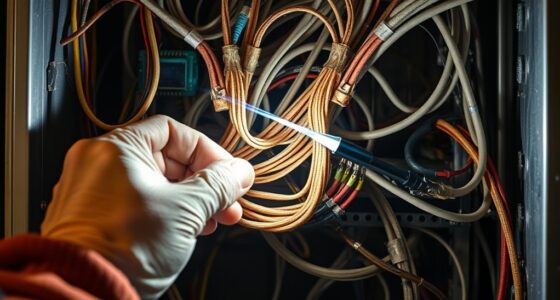
Installing cables in ceiling spaces and conduits is a essential step in ensuring a safe and efficient electrical system. Proper wire management during installation not only keeps your workspace organized but also minimizes the risk of electrical hazards. When you’re working in tight ceiling spaces, it’s necessary to plan your cable routes carefully. This means mapping out where each cable will go, avoiding unnecessary bends, and ensuring they’re secured properly. Using the right cable supports and fasteners helps prevent sagging or damage over time. Good wire management makes future maintenance easier, reduces clutter, and enhances overall safety.
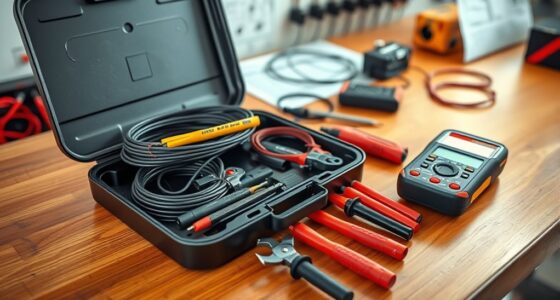
Before you start, safety precautions are imperative. Turn off the power supply to prevent electrical shocks while handling live wires. Wear insulated gloves and use tools with insulated handles. Double-check that circuits are de-energized before touching any wiring. As you work in ceiling spaces, keep your workspace clear of debris and avoid working in wet or humid conditions, which can increase the risk of electrocution. Use appropriate lighting to see clearly, and always follow local electrical codes and standards. If you’re unsure about any step, consult a licensed electrician to avoid costly mistakes or dangerous situations. Proper cable routing helps prevent damage and simplifies future upgrades.
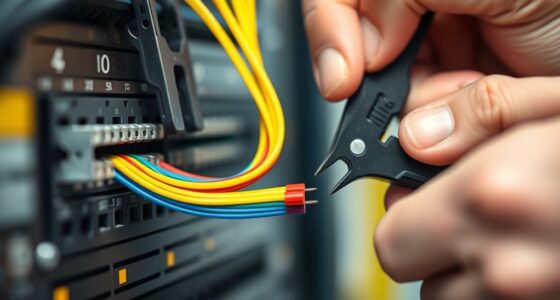
When installing cables within conduits, ensure you select the correct size and type of conduit for your wiring. Overstuffed conduits can cause damage to the insulation and make pulling wires difficult. Use fish tapes or cable pulls to guide the wires smoothly through the conduit, preventing sharp bends that could damage the cable. During installation, keep the cables neatly coiled and avoid kinking or twisting, which can compromise their integrity. Securing cables at regular intervals keeps everything tidy and prevents movement that could lead to wear and tear down the line.

77455 Cable Bending Tool, 1/2 Inch Ratchet Connection for Most Conductors, Optimal Bend 500 MCM, Convenient Labor Saving Knuckle Guard, Upgraded Wire Benders and Cable Benders
Outstanding Features:Are you worried about scratching the cable surface when bending cables? Our cable bending tools are well-designed,…
As an affiliate, we earn on qualifying purchases.
As an affiliate, we earn on qualifying purchases.
Frequently Asked Questions
What Safety Precautions Are Essential During Cable Installation?
You should always wear personal protective equipment like gloves and safety goggles to prevent injuries. Make sure you’re aware of electrical hazards by turning off power sources before starting and using insulated tools. Maintain good awareness of your environment to avoid accidental contact with live wires. Follow safety protocols closely, and never rush the job. Staying alert and prepared helps prevent accidents and keeps you safe during cable installation.
How Do I Determine the Correct Cable Type for My Project?
Like a seasoned tech in the 21st century, you determine the right cable type by considering cable insulation and conduit compatibility. First, identify your project’s power and data needs. Then, check the insulation’s durability and fire resistance. Make certain the cable fits within the conduit without forcing it. Always match the cable’s specifications to your application’s voltage and environment, so you get a reliable, safe installation that stands the test of time.
What Tools Are Recommended for Pulling Cables Through Conduits?
To pull cables through conduits, you should use cable grips to securely hold the cable and prevent slipping. Apply cable lubricants to reduce friction and make the process smoother. A fish tape or cable puller can help guide the cable through tight bends. Always guarantee the cable grip is rated for your cable’s weight and diameter, and lubricate generously to minimize damage and ease the pull.
How Can I Prevent Damage to Existing Structures During Installation?
You can prevent damage to existing structures by carefully evaluating the structural integrity and load-bearing capacity before starting. Use gentle techniques, like slow pulling and appropriate lubricants, to avoid stressing the material. Protect load-bearing elements with padding or shields, and avoid forcing cables through tight spots. Regularly inspect your work to guarantee no cracks or shifts occur, preserving the stability of the structure throughout the installation process.
What Are the Local Electrical Code Requirements for Ceiling Cable Installations?
You must follow local electrical code requirements for ceiling cable installations, including proper cable support requirements and conduit bending rules. Don’t assume all codes are the same; check your jurisdiction’s specific regulations to guarantee safety and compliance. Ignoring these rules can lead to penalties or hazards. Always verify the maximum bend radius and secure cables properly to prevent damage and meet code standards.

Klein Tools 56335 Flat Steel Electrical Fish Tape, 25-Foot 1/4-Inch Wide Spring Steel Tape, Slim Plastic Tip, Laser Etched 1-Foot Markings
Durable, high carbon 1/4-Inch wide spring steel fish tapes are firm yet flexible
As an affiliate, we earn on qualifying purchases.
As an affiliate, we earn on qualifying purchases.
Conclusion
Remember, your careful planning and attention to detail transform a tangled mess into a sleek, organized system—like a symphony where every note plays perfectly. By following safety standards and using the right tools, you guarantee your wiring stands the test of time, safe and reliable. So, approach each step with patience and precision; after all, a well-installed cable network is the silent backbone of your home’s comfort and safety.

HS Saddle Type Cable Zip Tie Mounts Base Kit with Screw Hole,Set Strong 6 Inch Nylon Cable Ties and Screws Each 100 PCS,Wire Clips Anchor Management Fastener for Baseborad,Wall or Desk,Black
HS zip ties 6 inch and wire tie mounts hold downs are made of high qualtiy nylon6/6 material,UL…
As an affiliate, we earn on qualifying purchases.
As an affiliate, we earn on qualifying purchases.

Insulated Screwdriver & Pliers Set: 14-Piece VDE Insulated Set 1000V Insulated Electrician Tool Set with Magnetic Phillips, Slotted Screwdrivers and Insulated Pliers
HIGH-QUALITY MATERIALS – Crafted with chrome vanadium steel and hardened tips, this tool kit ensures rust resistance, durability,…
As an affiliate, we earn on qualifying purchases.
As an affiliate, we earn on qualifying purchases.