Many people believe that homemade cables can match the performance of professional ones, but that isn’t always true. While DIY options might seem cost-effective or convenient, they often lack the rigorous testing and quality standards that commercial cables undergo. This can lead to issues with signal quality, safety, and durability over time. Before trusting your equipment to homemade cables, consider what might be at stake and what sets professional cables apart.
Key Takeaways
- Homemade cables often lack proper insulation, shielding, and secure connectors, risking signal loss and interference.
- DIY cables typically do not meet industry standards, leading to potential safety hazards and compatibility issues.
- Professional cables undergo rigorous testing for durability and safety, which homemade versions usually cannot replicate.
- Initial cost savings of DIY cables are often offset by hidden expenses from rework, repairs, and inferior performance.
- Relying on professional cables ensures long-term reliability, safety, and compliance with industry regulations.
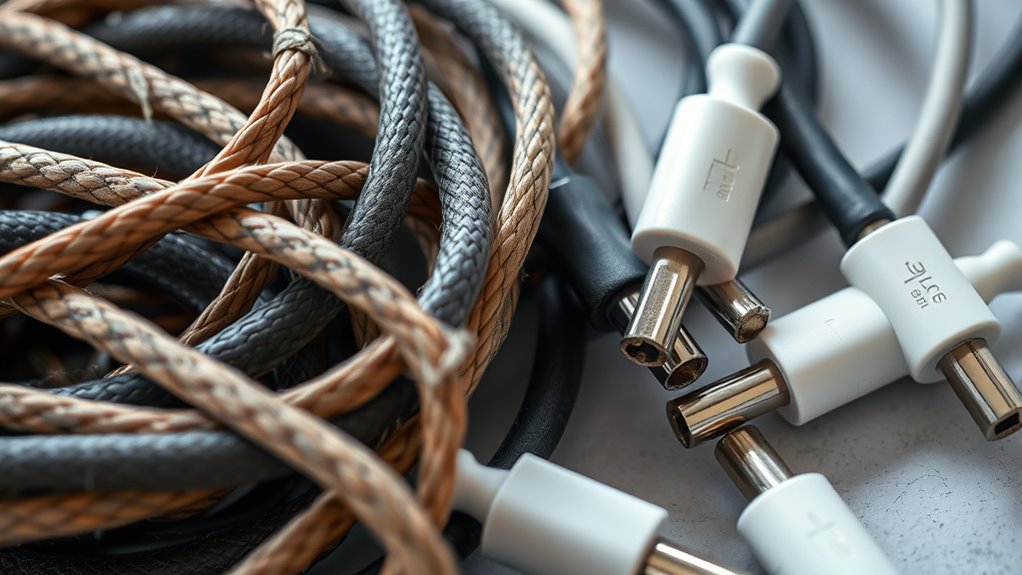
Many people believe that homemade cables can match the quality of professional ones, but this is a misconception. While making your own cables might seem like a cost-effective and straightforward solution, it often leads to unforeseen DIY pitfalls that can compromise performance and safety. When you attempt to craft cables yourself, you might overlook critical factors like proper insulation, shielding, and secure connectors. These oversights can result in weak points that cause signal loss, interference, or even dangerous electrical faults. Even if you manage to assemble a cable that looks functional, it may not meet the rigorous standards of durability and reliability that professional cables guarantee.
One of the biggest misconceptions is that homemade cables will save you money. However, a thorough cost comparison reveals that DIY projects can sometimes cost more than you expect. You might initially purchase budget components to keep expenses low, but when factoring in the cost of tools, testing equipment, and replacement parts, the overall expense can quickly add up. Plus, if you need to redo or repair your homemade cable due to poor build quality, you’ll spend even more time and money. Professional cables, on the other hand, are manufactured with precision, using high-quality materials that are tested for durability and performance. Their costs reflect the investment in quality control, reliability, and compliance with safety standards. So, in many cases, buying a professionally made cable actually costs less in the long run, especially when you consider the potential damage or performance issues that can arise from homemade alternatives.
You should also be aware that DIY pitfalls extend beyond cost and quality. When you craft your own cables, you might unintentionally introduce vulnerabilities that compromise data integrity or electrical safety. For example, improper shielding can lead to increased electromagnetic interference, degrading signal quality. Misaligned connectors or inadequate insulation can cause shorts or electrical shocks. These issues not only risk damaging your equipment but also pose safety hazards. Professional cables are designed and tested to prevent such problems, ensuring that your setup remains safe and efficient over time. Moreover, adhering to industry standards is essential for ensuring compatibility and safety, which homemade cables often lack.
Ultimately, while the idea of making your own cables might appeal to your DIY spirit, it’s crucial to weigh the risks involved. A homemade cable might seem like a good idea initially, but the reality is that quality, safety, and long-term cost efficiency often favor professional options. You get peace of mind knowing that the cable has been engineered for optimal performance and safety, saving you from costly mistakes or dangerous situations down the line. Don’t fall for the myth that homemade cables are just as good—sometimes, it’s better to rely on industry standards and leave the craftsmanship to the experts.
Top picks for "myth homemade cabl"
Open Amazon search results for this keyword.
As an affiliate, we earn on qualifying purchases.
Frequently Asked Questions
Can Homemade Cables Meet Safety Standards for Professional Use?
Homemade cables generally can’t meet safety standards for professional use, as they often lack proper safety compliance and manufacturer certification. Without these certifications, there’s a risk of electrical failure or hazards. You should always choose professionally manufactured cables that adhere to safety regulations, ensuring reliability and protection. Relying on certified products guarantees your setup is safe, compliant, and suitable for demanding environments, reducing potential risks considerably.
How Do Homemade Cables Perform Over Long-Term Usage?
Homemade cables often can’t handle the marathon of long-term use and will wear out faster than professional ones. You’ll face durability concerns, as homemade cables tend to degrade quickly due to lower-quality materials and inconsistent wiring. Over time, wear and tear cause performance issues, risking signal loss or failure. If you need reliability, investing in professional cables is the smarter choice, saving you headaches and replacements down the road.
Are There Specific Tools Needed to Create High-Quality Homemade Cables?
To create high-quality homemade cables, you’ll need basic tools like wire strippers, crimping tools, and a soldering iron. Using DIY techniques, you can guarantee good cable durability by choosing quality connectors and properly insulating each connection. These tools help you make precise, secure connections, reducing the risk of failures over time. With the right tools and techniques, your homemade cables can perform reliably and last long.
What Are Common Mistakes to Avoid When Making Homemade Cables?
When making homemade cables, avoid common mistakes like incorrect wiring, which can cause signal issues or shorts, and poor insulation, leading to safety hazards. Double-check your connections, follow wiring diagrams carefully, and use quality insulation materials. Don’t rush the process, and test your cables thoroughly before use. These steps help guarantee your homemade cables perform reliably and safely, matching professional standards.
Do Homemade Cables Provide the Same Signal Clarity as Professional Ones?
Imagine a clear mountain stream; DIY craftsmanship can sometimes produce a similar flow, but it often depends on material quality. Homemade cables, despite your effort, rarely match the signal clarity of professional ones because they may lack precise shielding and high-grade materials. While your skills improve, the consistency and reliability of professional cables guarantee a smoother, clearer signal, making them the better choice for critical audio or data transmission needs.
Conclusion
While making your own cables might seem cost-effective, don’t overlook the risks. Skimping on proper insulation and testing can lead to signal issues, safety hazards, and costly repairs down the line. Imagine your equipment failing during a critical moment—that’s a risk you don’t want to take. Investing in professional cables guarantees reliable performance and peace of mind, saving you time and money in the long run. Trust the experts for the best results.