
You might think all outdoor cables are the same, but direct burial cables are specially designed for underground use, making them different from standard outdoor cables. They have waterproof insulation, thick jackets, and durable materials resistant to moisture, soil, and pests, so you can place them directly in the ground without extra protection. outdoor cables, however, need conduit to shield them from weather and physical damage. Continue exploring to understand which cable best fits your needs.

Get business pricing on networking and server gear
- Business-only prices and quantity discounts
- Tax-exempt purchasing
- Multiple users, one account, clear invoices
Key Takeaways
- Direct burial cable is specifically designed for underground installation, with waterproof and durable insulation, unlike outdoor cable which needs conduit protection.
- Outdoor cables require conduit to protect against weather, animals, and physical damage, whereas direct burial cables are built to withstand soil conditions directly.
- The material composition of direct burial cables ensures long-term resistance to moisture, soil acidity, and temperature fluctuations underground.
- Proper installation techniques for direct burial cables involve trenching and backfilling, unlike outdoor cables that are typically installed in protective conduit.
- Using the correct cable type enhances safety and reliability, preventing insulation breakdown and electrical hazards in underground environments.

When choosing cable for outdoor or underground use, understanding that direct burial cable isn’t the same as standard outdoor cable is vital. This distinction impacts the safety, durability, and longevity of your electrical system. Direct burial cables are specially designed for underground installation, meaning they can withstand the harsh conditions found beneath the surface without additional protection. In contrast, typical outdoor cables are intended for above-ground use and require protective conduit to prevent damage from weather, animals, or physical impact. Knowing these differences helps you select the right cable to guarantee your installation remains safe and reliable over time.
One of the key features of direct burial cable is its exceptional weather resistance. Since it’s meant to be buried, it’s constructed with materials that resist moisture, soil acidity, and temperature fluctuations. These cables often have a thick, waterproof insulation layer that prevents water ingress, which is critical because moisture is one of the main causes of electrical failure underground. When you opt for direct burial cable, you’re choosing a product specifically engineered to handle the elements without deteriorating, which greatly reduces the risk of shorts, corrosion, or other damage caused by environmental factors. Additionally, the material composition of direct burial cables is optimized for long-term underground durability, further ensuring their reliability over time. Proper installation techniques, including trenching and backfilling, are also essential to protect the cable and maintain its weather resistance.
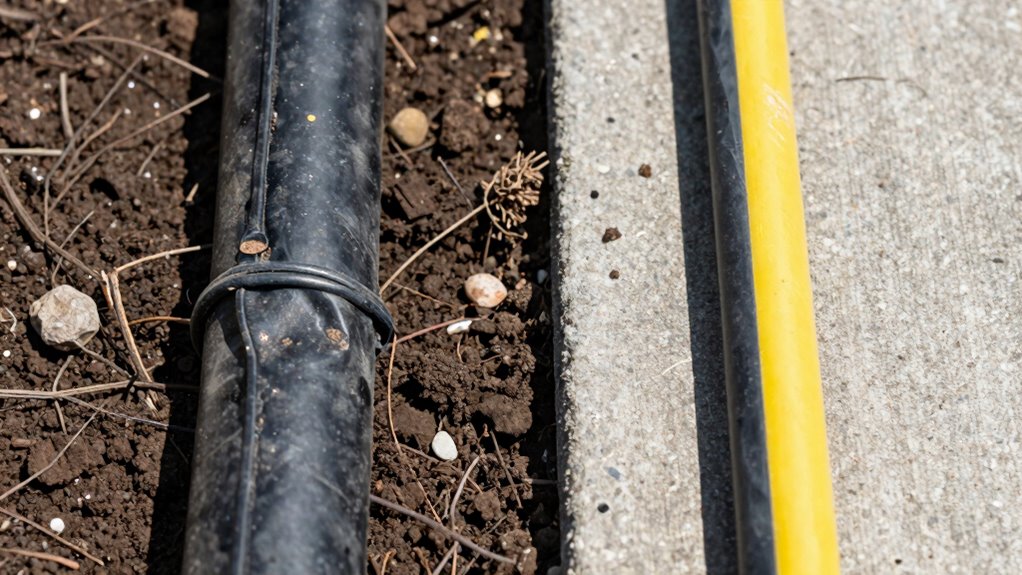
Direct burial cables feature waterproof insulation, resisting moisture, soil acidity, and temperature changes for long-lasting underground performance.
The process of underground installation requires careful attention to the cable’s weather resistance properties. You need to confirm that the cable you use can endure soil pressure, moisture, and potential chemical exposure without compromising its integrity. Unlike outdoor cables, which might need to be shielded within conduit or protective tubing, direct burial cables are designed to be placed directly into the ground. This means they have an outer jacket made from durable, weatherproof materials like special polyethylene or thermoplastic compounds that resist cracking and degradation over time. This weather resistance isn’t just about surviving rain or snow; it’s about withstanding the constant, long-term exposure to soil, varying temperatures, and potential pests. Proper installation techniques are crucial for maintaining the cable’s integrity and weatherproof qualities. Furthermore, selecting the right cable type can also help prevent electrical hazards that may arise from improper installation or unsuitable materials.
Additionally, the use of appropriate insulation and shielding in direct burial cables is crucial for maintaining their electrical safety and performance over time. If you mistakenly use standard outdoor cable for underground installation, you risk exposing it to moisture and soil conditions it wasn’t designed to handle. Over time, this can lead to insulation breakdown, corrosion, and eventual failure of your electrical system. That’s why understanding that direct burial cable is built specifically for underground use with enhanced weather resistance is fundamental. It guarantees your setup remains safe, efficient, and durable, even after years of exposure to the elements. Choosing the right cable type based on your installation environment ensures peace of mind and a long-lasting electrical connection.
As an affiliate, we earn on qualifying purchases.
Frequently Asked Questions
Can Outdoor Cables Be Used for Direct Burial Without Modifications?
Outdoor cables shouldn’t be used for direct burial without modifications because they lack the necessary protective features. You need direct burial cable designed for underground use, considering aesthetic considerations and cost implications. Using outdoor cables without proper modifications may lead to damage, increased repair costs, and safety hazards. Always select cables specifically rated for direct burial to guarantee durability, safety, and minimal impact on your budget and landscape.
What Are the Main Material Differences Between Direct Burial and Outdoor Cables?
You’ll notice that direct burial cables feature thicker, more durable cable insulation designed to withstand moisture, soil chemicals, and pressure. Unlike standard outdoor cables, they’re built to handle installation challenges without additional protective measures, thanks to their rugged materials. This robust insulation prevents water ingress and physical damage, making them ideal for underground use. In short, their material differences guarantee longevity and reliability in demanding environmental conditions.
Are There Specific Installation Techniques Unique to Each Cable Type?
You need to follow specific installation techniques for each cable type to guarantee proper cable protection and installation safety. For direct burial cable, dig a trench deep enough and avoid sharp rocks or roots that could damage it. Outdoor cables often require conduit protection, especially in exposed areas. Always check manufacturer instructions, use appropriate connectors, and ensure cables are properly secured to prevent damage or hazards during installation.
How Does Weather Resistance Vary Between the Two Cable Types?
Think of outdoor cable as a brave knight in shining armor, ready to face the elements, while direct burial cable is a seasoned warrior suited for underground battles. Outdoor cable offers superior UV protection and corrosion resistance, making it more resilient against weather. Direct burial cable, though tough, mainly focuses on corrosion resistance, but lacks the UV shield. Your choice depends on whether your cable will face sun or soil.
What Maintenance Is Required for Each Cable Type Over Time?
You need to regularly inspect your cables for damage or wear, focusing on cable insulation integrity. For direct burial cable, guarantee no moisture or soil contact causes corrosion, and keep the area clear of debris. Outdoor cable requires maintenance protocols like checking for UV damage or cracking. Both types benefit from periodic cleaning and prompt repairs to prevent issues, extending their lifespan and maintaining peak performance.
outdoor waterproof electrical cable
As an affiliate, we earn on qualifying purchases.
As an affiliate, we earn on qualifying purchases.
Conclusion
In the end, understanding that direct burial cable isn’t the same as outdoor cable can save you from a disaster of epic proportions. Think of it like the difference between a paper umbrella and a steel umbrella in a hurricane—you need the right protection to survive the storm. Choosing the correct cable isn’t just a small detail; it’s your shield against the chaos of weather and underground threats. Make the smart choice and keep your wiring safe and sound.
As an affiliate, we earn on qualifying purchases.
weatherproof outdoor extension cord
As an affiliate, we earn on qualifying purchases.
As an affiliate, we earn on qualifying purchases.
Halloween Picks
halloween
As an affiliate, we earn on qualifying purchases.