To handle device growth without constant cable rework, plan your network with scalability in mind from the start. Use flexible components, modular panels, and versatile connectors that can easily adapt to new devices. Organize cables with trays, ties, and labels to keep things tidy and accessible. Applying these proactive strategies minimizes disruptions, saves time, and makes future upgrades smoother. Keep going to uncover more tips for maintaining an efficient, scalable network.

Get business pricing on networking and server gear
- Business-only prices and quantity discounts
- Tax-exempt purchasing
- Multiple users, one account, clear invoices
Key Takeaways
- Plan for scalability from the start with flexible, modular infrastructure and adaptable cable pathways.
- Organize cables systematically using trays, ties, and labels for easy identification and quick reconfiguration.
- Use high-quality, modular components that support future device additions without disruption.
- Incorporate proactive design strategies to minimize rework and simplify the integration of new devices.
- Combine scalability, organization, and reliable components to maintain an efficient network as device count grows.
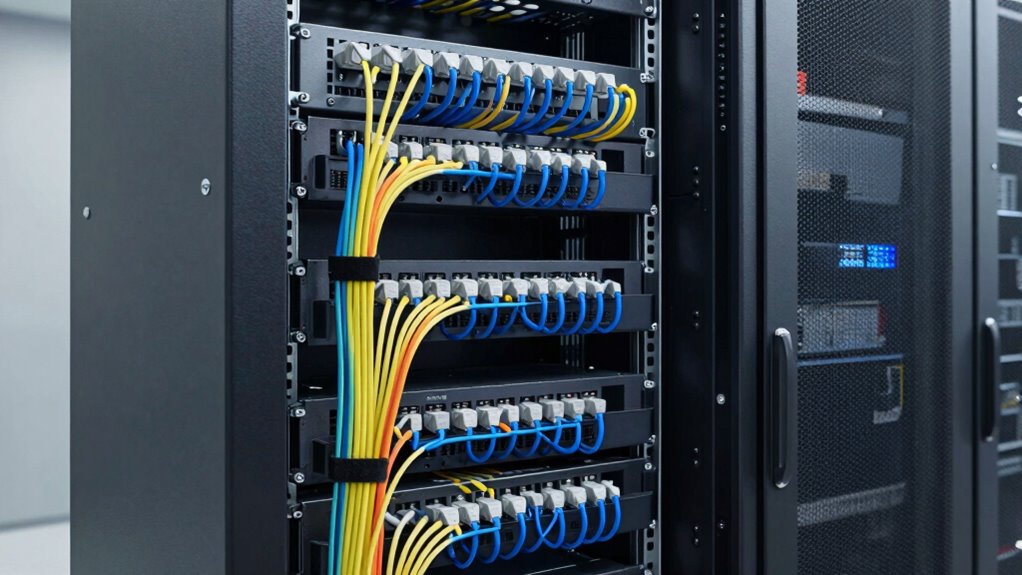
As your device infrastructure expands, managing growth can become challenging, especially when it comes to cable rework. Every new device, sensor, or server adds to the clutter, making it harder to maintain an organized system. To keep things running smoothly, you need effective wire management strategies that prevent chaos and guarantee quick access when upgrades are necessary. Proper wire management isn’t just about neatness; it’s about creating a scalable system that can grow with your needs without constant rework.
Effective wire management ensures scalable, organized systems that grow seamlessly with your infrastructure needs.
One of the most critical steps is planning ahead with scalable solutions. Think long-term from the start—design your network with flexibility in mind. Use adaptable cable pathways, modular panels, and multi-purpose connectors that can handle increased load without requiring a complete overhaul. When you implement scalable solutions, you reduce the time and effort needed for future expansions, making growth less disruptive. This foresight allows you to add new devices seamlessly, without the need to untangle or replace existing wiring frequently.
Good wire management also involves organizing cables systematically. Use cable trays, ties, and labels so you can identify and access specific cables easily. This way, when a device needs replacement or an upgrade, you won’t have to trace multiple cables through a tangled mess. Instead, you can quickly disconnect the right cable, minimizing downtime and avoiding accidental disconnections elsewhere. Organized wiring also improves airflow and reduces heat buildup, which can extend the lifespan of your equipment and prevent overheating issues.
Investing in high-quality, flexible cable management components can further streamline growth. Consider using modular panels and patch cords that can adapt as your network expands. These allow you to add or remove devices without disrupting the entire setup. Additionally, implementing structured cabling standards makes future upgrades more predictable and straightforward. When your infrastructure follows a consistent system, scaling becomes less of a headache and more of a manageable process.
Ultimately, handling device growth without constant cable rework boils down to proactive planning, organized wire management, and choosing scalable solutions. By designing your system with expansion in mind, you minimize disruptions and keep your network running efficiently. This approach saves time, reduces costs, and helps you stay ahead of your growing infrastructure demands. As you continue to add devices, your thoughtful setup ensures that growth happens smoothly—without the tangled chaos or extensive rework that can slow down progress.
modular network cable management panels
As an affiliate, we earn on qualifying purchases.
As an affiliate, we earn on qualifying purchases.
Frequently Asked Questions
What Are the Best Tools for Managing Growing Cable Infrastructure?
You should use management software to oversee your expanding cable infrastructure efficiently. It helps you track and document cables, reducing confusion and downtime. Pair this with proper cable labeling, making it easy to identify connections quickly. These tools streamline your workflow, prevent mistakes, and save time during expansion or rework. By integrating management software and cable labeling, you’ll stay organized and handle device growth smoothly without constant rework.
How Can Wireless Solutions Reduce Cable Clutter Effectively?
Wireless solutions can dramatically reduce cable clutter, making your space look like a sleek, futuristic control room. By utilizing wireless integration, you eliminate the need for endless cables, and cable virtualization lets you manage network connections virtually, freeing up physical space. This approach simplifies deployment, minimizes rework, and keeps your environment clean and organized. Say goodbye to cable chaos and hello to a streamlined, efficient setup that adapts effortlessly to growth.
What Are Future-Proofing Strategies for Expanding Device Networks?
To future-proof your device networks, focus on scalable infrastructure and building resilience. Prioritize flexible, high-capacity equipment that supports device scalability, allowing easy additions without major rework. Invest in robust, redundant systems to enhance infrastructure resilience, ensuring your network remains stable amid growth. Stay updated with emerging technologies like Wi-Fi 6 or 5G, so your network can adapt seamlessly to future demands and avoid costly upgrades down the line.
How Do I Track and Inventory Numerous Cables Efficiently?
You can track and inventory numerous cables efficiently by using cable labeling for clear identification and inventory software to manage your data. Label each cable precisely, noting its purpose and location. Then, input this information into inventory software, which helps you monitor cable status, location, and replacements easily. This combination streamlines cable management, reduces errors, and saves time during upgrades or troubleshooting, ensuring your network remains organized and scalable.
What Safety Precautions Should Be Taken During Cable Reorganization?
During cable reorganization, you should prioritize safety by using clear safety signage to warn of potential hazards. Always label cables properly to prevent confusion and accidental disconnections. Wear appropriate personal protective equipment, like gloves and eye protection, and make sure power is turned off before handling cables. Keep the workspace organized to avoid tripping hazards, and communicate with your team to ensure everyone is aware of safety procedures.
cable trays and ties for organized wiring
As an affiliate, we earn on qualifying purchases.
As an affiliate, we earn on qualifying purchases.
Conclusion
To manage device growth smoothly, consider implementing flexible cabling solutions and organized layouts from the start. This proactive approach can save you time and money, avoiding frequent rework. Did you know that organizations with well-planned cable management see up to a 30% reduction in maintenance costs? By investing in scalable infrastructure now, you set yourself up for seamless expansion, keeping your system efficient and ready for future growth without constant reworking.
high-quality patch cords for scalable networks
As an affiliate, we earn on qualifying purchases.
As an affiliate, we earn on qualifying purchases.
As an affiliate, we earn on qualifying purchases.
Halloween Picks
halloween
As an affiliate, we earn on qualifying purchases.