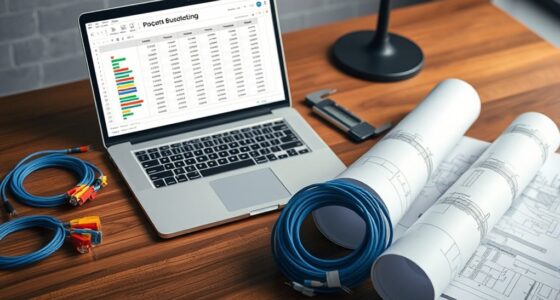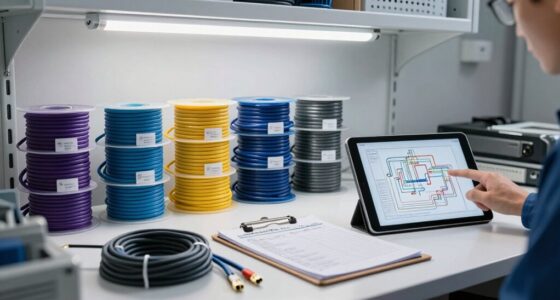

Imagine trying to build a puzzle without knowing how many pieces you’ll need or what it will look like at the end. Setting a realistic timeline for installations is just like that—it requires careful planning, understanding of each task, and room for unexpected challenges. If you don’t allocate enough time or misjudge resources, delays are almost inevitable. To avoid this, it’s essential to take into account every factor that could impact your schedule. Let’s explore how to do that effectively.
Key Takeaways
- Conduct thorough scope analysis and resource planning to accurately estimate time requirements.
- Incorporate buffer periods to accommodate unforeseen delays and equipment issues.
- Coordinate with specialists and suppliers to ensure timely delivery of materials and skilled personnel.
- Regularly monitor progress and adjust schedules proactively to address potential bottlenecks.
- Maintain transparent communication with stakeholders to manage expectations and facilitate necessary schedule revisions.
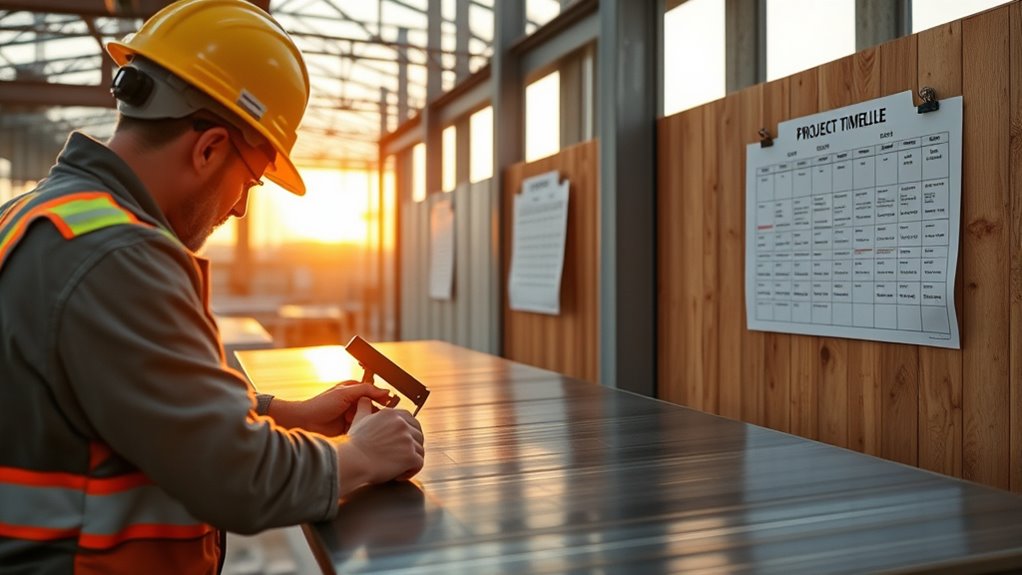
Establishing realistic timelines for installations is essential to ensuring the project runs smoothly and meets expectations. When you set timelines that are achievable, you reduce the risk of project delays, which can cause frustration, increased costs, and missed deadlines. A well-planned schedule allows you to allocate resources effectively, making sure each phase of the installation gets the attention it needs without overextending your team or equipment. By understanding the scope of work and factoring in potential obstacles, you’re better positioned to create a timeline that’s both ambitious and practical.
One of the key reasons timelines often become unrealistic is poor resource allocation. If you don’t assign the right people, tools, and materials at the right times, delays become inevitable. For example, scheduling a critical task before the necessary equipment arrives or before your skilled technicians are available can cause downtime and throw off the entire schedule. To avoid this, you need to carefully analyze the project’s requirements and match them with your resources. This includes considering the availability of specialists, delivery times for materials, and the readiness of the site. Proper resource allocation ensures that each task has what it needs when it needs it, minimizing bottlenecks.
Another factor that influences realistic scheduling is understanding the potential for unforeseen issues. No matter how well you plan, unexpected complications can arise — equipment failures, weather disruptions, or supply chain delays. Incorporating buffer time into your schedule helps you accommodate these hiccups without derailing the project. When setting your timeline, be honest about the possible delays and build in contingency periods. This way, you’re not caught off guard if things don’t go exactly as planned. Additionally, considering the contrast ratio of your projector can help you anticipate how lighting conditions might affect installation timelines, especially in spaces where lighting control is limited.
Communication plays a crucial role in maintaining realistic timelines. Keep all stakeholders informed about the schedule and any changes that occur. This transparency helps manage expectations and allows for prompt adjustments if needed. When everyone understands the project’s timeline and the reasoning behind it, you’re more likely to stay on track. Also, regularly reviewing progress against your schedule helps you identify potential delays early, giving you the opportunity to reallocate resources or adjust tasks before issues escalate.
installation project planning tools
As an affiliate, we earn on qualifying purchases.
As an affiliate, we earn on qualifying purchases.
Frequently Asked Questions
How Do Unexpected Delays Impact Installation Timelines?
Unexpected setbacks, like supply chain disruptions or unforeseen issues, can substantially delay installation timelines. When these delays happen, you might find yourself scrambling to adjust your schedule, which can cause frustration and increased costs. To minimize impact, stay flexible, communicate promptly with your team, and have contingency plans in place. This way, you can better manage delays and keep your project on track despite unforeseen challenges.
What Factors Influence Installation Timeline Accuracy?
You influence installation timeline accuracy through clear planning of installation milestones and efficient resource allocation. When you set realistic milestones, you can better track progress and adjust plans as needed. Proper resource allocation guarantees you have the right tools and personnel at each stage, avoiding delays. Factors like equipment availability, workforce skills, and unforeseen issues also impact accuracy. By managing these elements carefully, you keep your installation on schedule and meet your goals.
How Can Clients Prepare for Installation Delays?
Think of installation delays as storms on your horizon—you can’t always predict them, but you can prepare. Keep open client communication to stay in the loop and avoid surprises. Embrace contingency planning, like having a backup plan ready, so you’re not caught off guard. By staying proactive and informed, you turn potential setbacks into manageable waves, steering your project smoothly through any delays that come your way.
What Tools Best Estimate Installation Completion Dates?
You should use scheduling software that tracks installation milestones to estimate completion dates accurately. These tools help you visualize progress, identify potential delays, and set realistic expectations. By inputting key tasks and deadlines, you can generate reliable timelines, communicate effectively with clients, and adjust plans proactively. Leveraging scheduling software guarantees you stay on top of installation schedules and meet expected completion dates more consistently.
How Should Project Scope Changes Affect Timelines?
When scope changes occur, you should adjust timelines by allowing for scope flexibility, ensuring realistic expectations. Communicate openly with stakeholders about how these changes impact the schedule, and update the project plan accordingly. This proactive approach helps manage expectations, prevents delays, and keeps everyone aligned. You’ll maintain project momentum by remaining adaptable and transparent, ensuring that modifications are integrated smoothly without compromising quality or delivery deadlines.
project timeline buffer calculator
As an affiliate, we earn on qualifying purchases.
As an affiliate, we earn on qualifying purchases.
Conclusion
By setting realistic timelines, you create a solid foundation for your project’s success. While careful planning and clear communication prevent delays, unforeseen obstacles remind you that flexibility is equally essential. Balancing meticulous estimates with adaptability ensures your installation stays on track. In this way, precision and spontaneity work together—like two sides of the same coin—guiding your project smoothly from start to finish, even when the unexpected arises.
construction resource management software
As an affiliate, we earn on qualifying purchases.
As an affiliate, we earn on qualifying purchases.
As an affiliate, we earn on qualifying purchases.