
While copper cables might seem sufficient for small, budget-conscious setups, fiber optic cables offer a clear advantage for demanding, high-performance networks, yet they come with higher costs and installation challenges. Deciding which to use depends on your specific needs and future plans, but understanding the key differences can help you make the right choice. So, how do you determine the best option for your network’s current and future requirements?
Key Takeaways
- Choose fiber for high-speed, high-bandwidth applications and long-distance transmission with minimal latency.
- Opt for copper in small-scale setups with lower initial costs and simpler installation requirements.
- Select fiber for future-proofing and scalability to accommodate increasing data demands.
- Use fiber in environments prone to electromagnetic interference to ensure reliable network performance.
- Consider copper for short-distance, less demanding connections where cost and ease of installation are priorities.
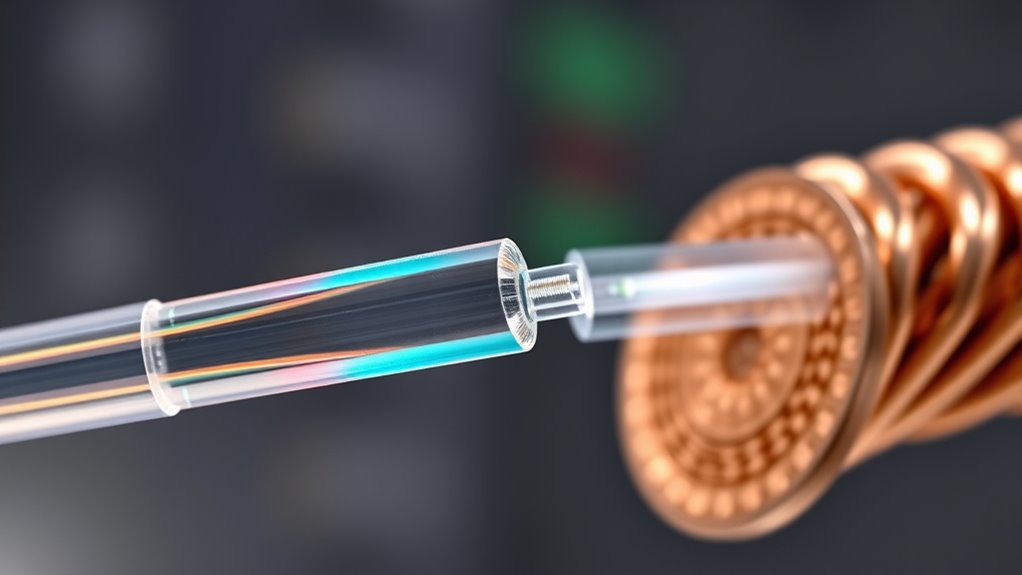
Have you ever wondered which type of cabling is better for your network—fiber or copper? The choice largely depends on your specific needs, particularly when it comes to network speed and installation costs. Fiber optic cables are known for offering considerably higher network speeds compared to copper cables, especially over longer distances. If you’re running a business that relies on fast data transfer, streaming large files, or supporting multiple users simultaneously, fiber is often the better option because it can handle higher bandwidths with less latency. Copper, on the other hand, tends to be slower and more limited in speed, making it suitable for smaller networks or applications where ultra-fast data transfer isn’t critical.
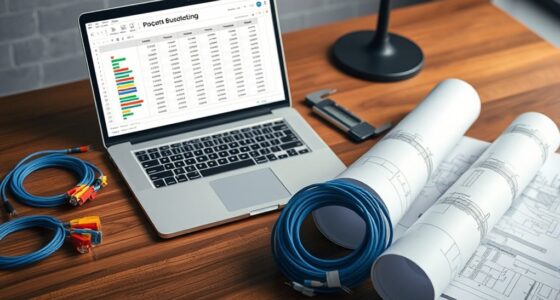
When it comes to installation costs, fiber optic cabling generally involves higher upfront expenses. The cables themselves are more expensive, and installation can be be more complex due to the need for specialized tools and trained technicians. Fiber installation often requires more careful handling, as the cables are delicate and can be damaged if not installed properly. This means initial setup costs can be substantially higher, especially for long-distance runs or when upgrading existing infrastructure. Copper cables, by contrast, are typically cheaper to purchase and easier to install because they are more durable and flexible, making them a popular choice for small offices or residential setups where budget constraints are a concern.
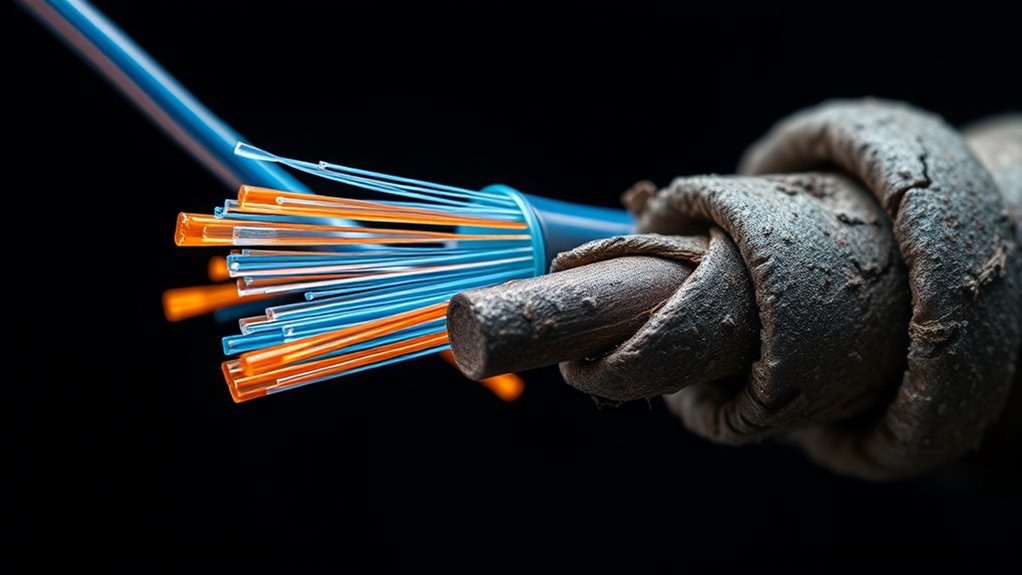
However, it’s important to think beyond the initial costs. While fiber might be pricier upfront, it can save you money in the long run thanks to its durability and lower maintenance needs. Fiber cables are less susceptible to electromagnetic interference, which can cause disruptions in copper lines, especially in environments with heavy electrical equipment. This means fewer repairs and less downtime, saving costs over time. Conversely, copper cables may need more frequent repairs or replacements, especially in challenging environments, which can add up budget-wise.
Choosing between fiber and copper also involves considering future-proofing your network. Fiber offers more scalability and can support emerging technologies as your needs grow. If you anticipate increasing bandwidth requirements or want a more reliable, long-term solution, investing in fiber now can be more cost-effective in the long run despite the higher initial installation costs. Copper might be suitable for smaller, less demanding setups where budget constraints are tight, but if you want a faster, more reliable network that can handle future demands, fiber is often the smarter choice. Additionally, fiber optic technology is advancing rapidly, making it an increasingly viable long-term investment. Ultimately, your decision should balance your current needs, budget, and plans for future expansion.
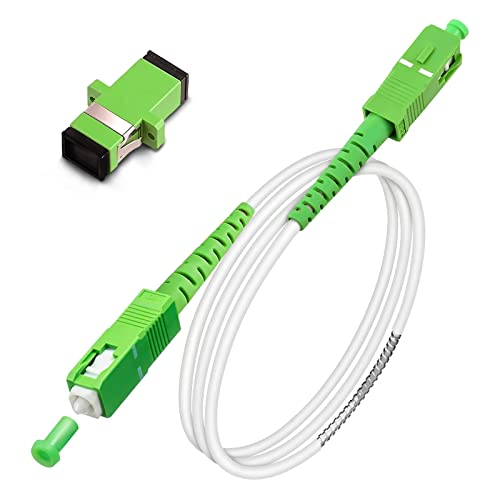
Bangun SC/APC to SC/APC Fiber Optic Internet Cable, Armored Single Mode Patch Cable, Fiber Optic Jumper Optical Patch Cord – SIMPLEX – 9/125um – OS1/OS2 Compatible, LSZH White, 3m
Replacement fiber optic cable for ATT Fiber modem/router, Verizon Fios. This Optical Fiber cable suitables for all networks,…
As an affiliate, we earn on qualifying purchases.
As an affiliate, we earn on qualifying purchases.
Frequently Asked Questions
How Does Installation Complexity Differ Between Fiber and Copper?
You’ll find that fiber installation often involves more challenges due to its delicate nature and the need for precise handling, making installation more complex. Copper wiring generally presents fewer challenges, as it’s easier to work with and more compatible with existing infrastructure. However, fiber can require specialized equipment and skills, which may introduce compatibility issues. Overall, fiber installation demands more planning and expertise, while copper is simpler but less future-proof.
What Are the Maintenance Requirements for Fiber Versus Copper Cables?
You need to take into account that fiber cables generally require less maintenance because they’re more durable and resistant to environmental factors, reducing issues like corrosion. They offer less cable flexibility but can handle higher data loads over longer distances, which impacts cost implications. Copper cables, on the other hand, are more flexible and easier to repair, but they may need more frequent maintenance due to wear and tear, potentially increasing ongoing costs.
How Do Fiber and Copper Cables Compare in Security Features?
Fiber fosters formidable security with its encryption capabilities, making data difficult to decipher. It’s less vulnerable to physical tampering since its delicate strands are protected within sturdy sheathing. Copper, conversely, can be more susceptible to physical tampering and eavesdropping, but it offers easier access for interception. Overall, fiber provides a more secure solution for sensitive data, thanks to its advanced encryption and resistance to physical interference.
What Is the Typical Lifespan of Fiber Compared to Copper Cables?
You’ll find that fiber cables generally last 25 to 40 years, thanks to their high cable durability and resistance to environmental factors, which extends signal longevity. Copper cables, however, typically last around 10 to 15 years because they are more prone to corrosion and wear over time. If you’re looking for longer-lasting infrastructure, fiber offers superior longevity, making it a more durable choice for future-proofing your network.
Are There Environmental Considerations Affecting Fiber and Copper Choices?
Environmental considerations play a vital role in your choice between fiber and copper cables. Fiber has a lower ecological footprint and presents recycling challenges, as it’s more difficult to recycle than copper. Copper is more recyclable but can have a higher environmental impact during extraction. You should evaluate your sustainability goals, disposal options, and environmental regulations to determine which material aligns best with your eco-friendly practices.
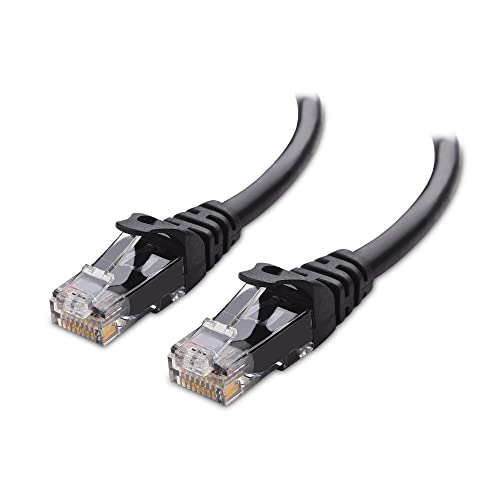
Cable Matters 10Gbps Snagless Cat 6 Ethernet Cable – 25ft, Cat 6 Cable, Cat6 Cord, Ethernet Cord, Black
High-Performance Connectivity: This Cat 6 ethernet cable is designed for superior performance, with a 24 AWG copper wire…
As an affiliate, we earn on qualifying purchases.
As an affiliate, we earn on qualifying purchases.
Conclusion
Choosing between fiber and copper is like picking the right tool for a demanding job. If you want a lightning-fast, future-proof network that can handle anything, fiber is your trusty steed, ready to carry you into tomorrow. But if your needs are simpler or your budget tight, copper is the reliable workhorse that gets the job done. Whichever path you take, remember—your network’s strength lies in choosing what best fits your journey ahead.

10FT SC/APC to SC/APC Fiber Optic Cable, Armored Single Mode Patch Cord for High-Speed Internet (9/125μm, OS1/OS2 Compatible, LSZH White)
Universal ISP Compatibility: Fiber optic cable works seamlessly with AT&T Fiber, Verizon Fios, and Google Fiber. Perfect for…
As an affiliate, we earn on qualifying purchases.
As an affiliate, we earn on qualifying purchases.
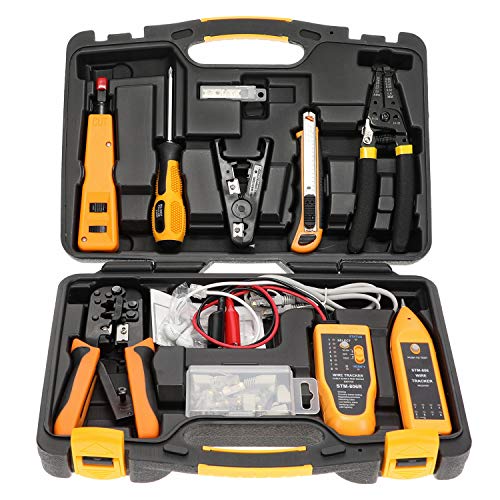
InstallerParts Professional Network Tool Kit 15 In 1 – RJ45 Crimper Tool Cat 5 Cat6 Cable Tester, Gauge Wire Stripper Cutting Twisting Tool, Ethernet Punch Down Tool, Screwdriver, Knife
Lightweight Hard Case : The tools are conveniently secured in place in a lightweight yet durable, high-quality portable…
As an affiliate, we earn on qualifying purchases.
As an affiliate, we earn on qualifying purchases.