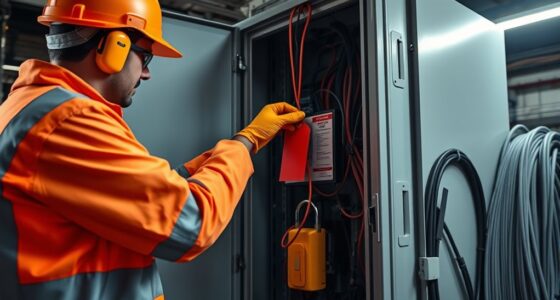

Imagine a wiring system that snakes through a building, silent yet essential, holding the promise of safe, reliable power. Every twist and turn must follow strict electrical codes to prevent hazards and guarantee compliance. Without these guidelines, even minor mistakes can lead to serious issues. Understanding these standards is imperative for your projects, but what are the key elements that keep your installations both safe and up to code?

Get business pricing on networking and server gear
- Business-only prices and quantity discounts
- Tax-exempt purchasing
- Multiple users, one account, clear invoices
Key Takeaways
- Follow national and local electrical codes to ensure safe and compliant cable installations.
- Select appropriate cable types based on environment, load, and safety standards.
- Adhere to installation protocols for routing, securing, and protecting cables against damage.
- Ensure proper grounding and bonding to prevent electrical faults and hazards.
- Stay updated with current codes and standards to incorporate best practices and technological advances.

Are you conscious of the critical electrical codes that guarantee safe and reliable cable installations? Understanding these codes is essential to assure your electrical system functions properly and remains safe for everyone. One of the key aspects of adhering to electrical codes involves selecting the correct cable types for your specific application. Different cables are designed for various environments, loads, and safety requirements. For example, you might choose non-metallic sheathed cables (NM) for residential indoor wiring, whereas armored cables (AC) or conduit systems are better suited for outdoor or industrial settings. Knowing which cable types meet code standards helps prevent potential hazards like electrical fires, shocks, or system failures. Equally important is following installation safety protocols outlined in these codes, which serve as a thorough guide to avoid accidents during installation. These protocols specify how cables should be routed, secured, and protected to minimize damage and ensure longevity. For instance, cables should be kept away from sharp edges, sources of heat, or corrosive environments. Proper securing with staples or clamps prevents sagging and mechanical stress, which could lead to insulation damage or short circuits. Electrical codes also dictate the minimum clearance distances from other systems or structural elements, reducing the risk of accidental damage or interference. When you adhere to these standards, you’re also guaranteeing that your installation is compliant with local regulations, avoiding costly fines or rework. Installation safety isn’t just about following rules—it’s about proactively safeguarding your property and people. For example, grounding and bonding are critical components of safe cable installation. The codes specify how to properly connect grounding conductors, which help protect against electrical faults by directing excess current safely into the ground. This reduces the risk of electrocution and equipment damage. Additionally, the codes emphasize the importance of using the right tools and personal protective equipment during installation. Gloves, safety glasses, and insulated tools are essential to prevent injuries and ensure a secure connection. Inspecting cables for damage before installation is also a key safety step, as compromised cables can cause shorts or fires. Staying updated with the latest electrical codes ensures you’re aware of any new requirements or technological advances that impact cable types and safety practices. Incorporating proper cable installation techniques is crucial for maintaining system integrity and safety. Ultimately, adhering to electrical codes for cable installations isn’t just about compliance—it’s about creating a safe, efficient, and durable electrical system. By choosing the right cable types and following safety guidelines, you protect your investment, your property, and most importantly, the lives of everyone using the space. Making safety a priority during installation minimizes risks and guarantees that your electrical setup performs reliably for years to come.
electrical wire cable connectors
As an affiliate, we earn on qualifying purchases.
As an affiliate, we earn on qualifying purchases.
Frequently Asked Questions
What Are the Latest Updates to National Electrical Codes?
The latest updates to the national electrical codes focus on enhancing safety through improved circuit protection and grounding requirements. You should verify your installations meet new standards for breaker ratings and GFCI protection, especially in wet or damp locations. Keep up with changes that mandate better grounding practices to prevent electrical shocks and fires. Staying current helps you comply with regulations and ensures your wiring systems are safe, reliable, and up to code.
How Do Local Amendments Affect Cable Installation Requirements?
Oh, you thought national codes had all the fun? Think again! Local amendments love to spice things up by tweaking installation requirements. They might tighten rules on cable routing or add quirky safety measures. So, when you’re installing cable, you gotta check those local amendments first. Ignoring them is like bringing a spoon to a knife fight—sure to lead to trouble and maybe a fine or two.
Are There Specific Codes for Outdoor Cable Installations?
Yes, there are specific codes for outdoor cable installations. You need to make certain your outdoor conduit is weatherproof and properly rated for exposure to the elements. Use weatherproof connectors to keep connections secure and protected from moisture. Following these codes helps prevent damage and electrical hazards. Make sure to check local amendments, as they might have additional requirements for outdoor setups. Properly following these guidelines keeps your installation safe and compliant.
What Are the Penalties for Code Violations?
You risk hefty penalties if you violate electrical codes—inspection fines can reach thousands of dollars, and insurance penalties might spike your premiums. Statistically, nearly 30% of electrical violations lead to costly fines or coverage issues. When you ignore code compliance, you’re not only risking safety but also facing financial consequences that can derail your project or business. Stay compliant to avoid these costly penalties and protect your investment.
How Can I Ensure Compliance With All Relevant Codes?
To guarantee compliance with all relevant codes, you should follow inspection procedures diligently and keep thorough compliance documentation. Regularly review code updates, hire certified inspectors, and address any violations promptly. Document all installation steps and inspections to demonstrate adherence. By staying proactive, maintaining organized records, and following official guidelines, you minimize violations and guarantee your cable installation remains within legal and safety standards.
outdoor armored electrical cables
As an affiliate, we earn on qualifying purchases.
As an affiliate, we earn on qualifying purchases.
Conclusion
Following electrical codes is like planting seeds in a secure garden—you guarantee your system grows strong and resilient. When you adhere to proper installation practices, you’re building a shield against unseen dangers, a guiding star in the dark. Every connection you make becomes a thread in a protective fabric, woven with safety and reliability. Remember, your careful attention is the lantern that illuminates a safe, enduring electrical future for all who rely on it.
As an affiliate, we earn on qualifying purchases.
grounding and bonding electrical supplies
As an affiliate, we earn on qualifying purchases.
As an affiliate, we earn on qualifying purchases.
Fall Picks
fall essentials
As an affiliate, we earn on qualifying purchases.