Ensuring proper grounding and bonding is critical for electrical safety and system reliability. When you follow the correct techniques, you create a low-resistance path that prevents dangerous voltage buildup and reduces the risk of shocks or fires. However, many overlook the importance of using durable materials and proper connections. Understanding the key principles can make a significant difference in maintaining a safe, compliant electrical system—something you need to get right.
Key Takeaways
- Use appropriate grounding electrodes such as ground rods or water pipes, complying with local electrical codes.
- Connect metallic parts with corrosion-resistant copper conductors to ensure reliable bonding.
- Ensure all connections are tight, secure, and properly insulated to prevent resistance and corrosion.
- Implement continuous, low-resistance pathways between system components and grounding electrodes.
- Regularly inspect and maintain grounding and bonding systems to ensure ongoing safety and compliance.
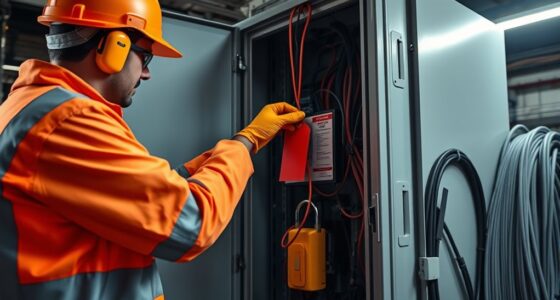
Proper grounding and bonding are essential for electrical safety and system reliability. When you’re working with electrical systems, a well-designed grounding system ensures that any stray voltage or fault current has a safe path to the earth, reducing the risk of shocks or fires. It’s not just about connecting wires; it’s about creating a dependable framework that protects both people and equipment. The grounding system involves more than just attaching a wire to the ground; it includes the entire network of grounding electrodes, conductors, and connections that work together to maintain a stable voltage reference point. Properly implemented, a solid grounding system minimizes potential differences and helps prevent dangerous voltage surges from damaging your equipment or endangering users.
In addition to grounding, bonding methods play a critical role in ensuring electrical safety. Bonding involves connecting all metallic parts of an electrical system together and to the grounding system to eliminate voltage differences between conductive surfaces. This prevents any metal parts from becoming energized during a fault, which could otherwise cause electric shocks. When you use effective bonding methods, you create a continuous, low-resistance path that keeps exposed metal parts at the same potential, considerably reducing the risk of shock hazards. Bonding isn’t a one-time task; it requires proper sizing, secure connections, and adherence to electrical codes to maintain system integrity.
You’ll want to pay close attention to the materials and techniques you use for bonding. Copper is the most common bonding conductor because of its excellent conductivity and durability. You should ensure that all connections are tight and corrosion-resistant, especially in outdoor or moist environments. Using appropriate connectors, clamps, and bonding jumpers helps maintain the integrity of your system over time. When installing your grounding system, consider the type of grounding electrode, such as a ground rod or a metal water pipe, and make sure your connections are compliant with local electrical codes. Proper grounding and bonding aren’t just about following rules—they’re about creating a safe, reliable electrical environment that functions correctly under all conditions. Additionally, understanding the benefits of raw food can help you appreciate the importance of proper handling and safety measures to prevent contamination and ensure optimal health.
Frequently Asked Questions
How Often Should Grounding Systems Be Inspected?
You should inspect your grounding system at least once a year to guarantee it remains effective. Following a regular maintenance schedule helps prevent issues and ensures safety. During inspections, check for corrosion, loose connections, or damage that could compromise grounding. If your system experiences any significant events like lightning strikes or electrical surges, consider inspecting more frequently. Staying consistent with these inspections keeps your grounding system reliable and safe.
Can Improper Grounding Cause Electrical Fires?
Yes, improper grounding can cause electrical fires by creating grounding hazards that lead to excess heat and sparks. Many people confuse bonding with grounding, but bonding ensures all metal parts are connected to prevent shock, while grounding directs fault currents safely into the earth. If either is faulty or improperly installed, it amplifies the risk of electrical fires. Regular inspections help identify and fix these issues before they become dangerous.
What’s the Difference Between Grounding and Bonding?
Grounding basics involve connecting electrical systems to the earth to prevent shock hazards, while bonding principles focus on linking metal parts to guarantee they stay at the same electrical potential. You create a safe system by grounding to dissipate electricity safely and bonding to eliminate potential differences that could cause shocks. Understanding these distinctions helps you ensure your electrical setup is both safe and compliant with standards.
Are Special Tools Needed for Grounding Installations?
Think of grounding installations like building a safety net; you don’t want it to fail. Yes, you need special grounding tools and bonding equipment to make certain of a secure connection. These tools are designed to handle electrical currents safely and efficiently, preventing accidents. Using the right grounding tools guarantees everything stays grounded properly, while bonding equipment ensures all parts are connected correctly, creating a reliable safety system that protects everyone involved.
How Does Environmental Exposure Affect Grounding Effectiveness?
Environmental exposure can markedly impact grounding effectiveness. Corrosion challenges, caused by moisture and other environmental factors, weaken grounding conductors over time, reducing their ability to safely dissipate electrical faults. Moisture impacts grounding systems by promoting rust and corrosion, which increases resistance and diminishes system reliability. To maintain effective grounding, you need to regularly inspect and protect grounding components from environmental elements, ensuring they stay corrosion-free and functional for safety and performance.
Conclusion
By following proper grounding and bonding techniques, you create a safe and reliable electrical system—like a sturdy bridge that keeps everything connected and protected. You guarantee low-resistance paths, prevent electrical shocks, and reduce fire hazards. Regular inspections and adherence to codes are your tools for stability. Think of it as building a strong foundation for your home’s safety—solid, dependable, and essential for peace of mind.