To build safer outdoor network links around ground potential issues, guarantee you establish a solid grounding system with deep rods or plates connected to all outdoor equipment like antennas and enclosures. Install surge protectors and lightning arresters at strategic points, and ground all shields and cables properly to prevent interference and electrical surges. Regularly inspect and maintain your grounding and lightning protection devices to keep your system safe and reliable. Keep going to discover more ways to enhance your setup.

Get business pricing on networking and server gear
- Business-only prices and quantity discounts
- Tax-exempt purchasing
- Multiple users, one account, clear invoices
Key Takeaways
- Implement a unified grounding system connecting all outdoor equipment to reduce ground potential differences.
- Install lightning arresters and surge protectors at strategic points to absorb voltage surges caused by potential differences.
- Use shielded cables and ensure proper grounding of cable shields to prevent ground loops and interference.
- Regularly inspect and maintain grounding connections, especially after electrical storms or surges.
- Incorporate comprehensive lightning protection measures to minimize risks from ground potential fluctuations.

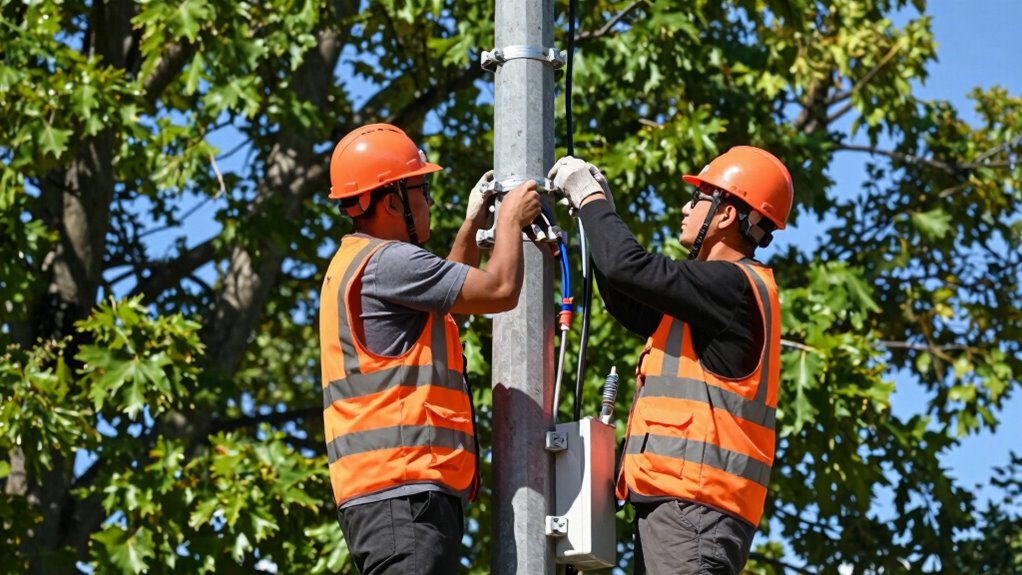
Creating secure outdoor network links is essential to protect your data and maintain reliable connectivity in open environments. When setting up these links, you face unique challenges, especially related to ground potential issues that can cause interference or damage. To address this, implementing effective grounding techniques is crucial. Proper grounding helps establish a stable reference point for your equipment, reducing the risk of voltage surges caused by electrical disturbances. Use grounding rods or grounding plates that are deeply embedded into the earth, ensuring a solid connection to the ground. Connect all outdoor equipment, including antennas, enclosures, and cable shields, to this grounding system to create a unified, low-resistance path. This not only minimizes the chances of electrical buildup but also provides a clear pathway for lightning-induced currents, enhancing your lightning protection measures.
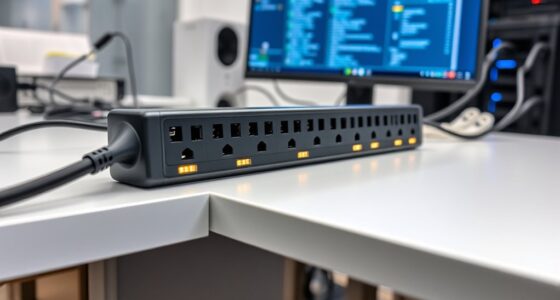
Lightning protection is another critical aspect of building safer outdoor network links. No matter how robust your equipment is, a direct lightning strike can cause catastrophic damage if you’re not prepared. Installing lightning arresters or surge protectors at strategic points in your network setup can absorb and divert high-voltage surges away from sensitive devices. These devices should be connected to your grounding system to guarantee they work effectively. Additionally, aerial or outdoor antennas should be grounded using specialized grounding blocks that are rated for lightning strikes. When planning your network, consider the placement of these protective devices to cover all vulnerable points, especially at entry points where cables enter buildings or enclosures.
You should also guarantee that all cabling is shielded and grounded properly. Use shielded Ethernet or coaxial cables, attaching the shields to your grounding system at both ends. This prevents electromagnetic interference from disrupting your signals and reduces the potential for ground loops that can cause noise or damage. Regular inspections of your grounding and lightning protection systems are essential, especially after storms or electrical surges. Maintaining a clean, corrosion-free grounding connection ensures ongoing effectiveness and safety. In addition, understanding and implementing proper grounding techniques can significantly improve the overall reliability of your outdoor network. Incorporating grounding systems into your setup can help mitigate the risks posed by electrical disturbances and improve system durability.
Incorporating these grounding techniques and lightning protection measures into your outdoor network setup forms an all-encompassing shield against ground potential issues. Proper grounding and shielding are vital components in home theatre projectors, ensuring consistent performance and safety for your equipment. Not only do these strategies protect your equipment from electrical surges, but they also guarantee your network remains stable, reliable, and secure. By taking the time to establish a sound grounding system and integrating lightning protection components, you safeguard your data and keep your outdoor network links resilient against nature’s unpredictable power.
Products Worth Considering

Sony WH-1000XM6 Wireless Noise-Canceling Over-Ear Headphones, Blue, Bundle

Jackery Solar Generator 1000 V2 with 200W Solar Panel

LG UltraGear 32GX850A-B 32-Inch 4K UHD Glossy OLED Gaming Monitor
As an affiliate, we earn on qualifying purchases.
Frequently Asked Questions
How Do Ground Potential Issues Vary by Geographic Location?
Ground potential varies considerably by geographic location, affecting outdoor network links. In areas prone to lightning or frequent thunderstorms, ground potential shifts more dramatically, increasing the risk of electrical surges. Conversely, regions with stable soil and less electrical activity experience less variation. Understanding this geographic variation helps you design safer outdoor network links by implementing proper grounding, surge protection, and advanced shielding to mitigate potential issues caused by ground potential fluctuations.
What Are the Costs Associated With Implementing Grounding Solutions?
The costs of implementing grounding solutions depend on your chosen grounding materials and the scope of your project. You’ll need to budget for grounding rods, conductors, connectors, and testing equipment. Conducting a thorough cost analysis helps you balance safety and budget constraints, ensuring you select effective grounding materials without overspending. While initial investments may seem high, proper grounding reduces risk and potential damage, saving you money in the long run.
How Often Should Outdoor Network Links Be Inspected for Safety?
You should inspect outdoor network links at least once every six months to guarantee safety. During inspections, check the cable insulation for damage that could lead to exposure or signal interference. Look for corrosion, loose connections, or signs of wear that might compromise grounding. Regular inspections help you spot potential issues early, reducing risks of electrical faults or signal interference, and assuring your outdoor network remains safe and reliable.
Are There Specific Standards for Grounding Outdoor Network Equipment?
You must follow specific standards for grounding outdoor network equipment, or risk catastrophic failure. These standards address electromagnetic interference and lightning protection, ensuring your system’s safety and reliability. The IEEE 1100 (Emerald Book) and NEC (National Electrical Code) set vital grounding rules, including proper grounding rods, bonding, and surge protectors. Adhering to these standards helps prevent damage from lightning strikes and electromagnetic disturbances, keeping your network safe and operational.
How Do Weather Conditions Affect Ground Potential and Network Safety?
Weather conditions like lightning strikes and soil moisture substantially impact ground potential and network safety. Lightning increases ground potential rapidly, risking equipment damage or failure. High soil conductivity from wet conditions helps disperse electrical energy safely, reducing hazards. Conversely, dry soil lowers conductivity, causing potential buildup around grounding points. You should monitor weather patterns, guarantee proper grounding, and use surge protection to mitigate risks and maintain a safe outdoor network environment.
Conclusion
By taking these proactive steps, you create a more harmonious environment for your outdoor network links, gently guiding them away from potential ground-related concerns. Remember, a little attention now can prevent bigger surprises later, ensuring your connections stay reliable and secure. Embrace these practices as a way to nurture a safer, more resilient network space—think of it as tending a garden that blooms with dependable signals and peace of mind.