
To improve cable lifespan in high-traffic areas, you should use high-quality insulation materials that resist abrasion, moisture, and impact. Protect cables with conduits or coverings and route them along walls or ceilings to minimize foot traffic contact. Secure cables properly with clips and avoid tight bends that cause stress. Regular inspections and maintenance help catch damage early. Continuing with these strategies will help you keep your cables safe and lasting longer.

Get business pricing on networking and server gear
- Business-only prices and quantity discounts
- Tax-exempt purchasing
- Multiple users, one account, clear invoices
Key Takeaways
- Use high-quality, durable insulation materials suited for heavy use environments.
- Route cables along walls or ceilings, avoiding walkways and high-traffic zones.
- Implement protective coverings or conduit sleeves to shield cables from physical damage.
- Regularly inspect and maintain cables, replacing damaged insulation promptly.
- Secure cables with clips or ties to prevent movement and reduce wear from friction.

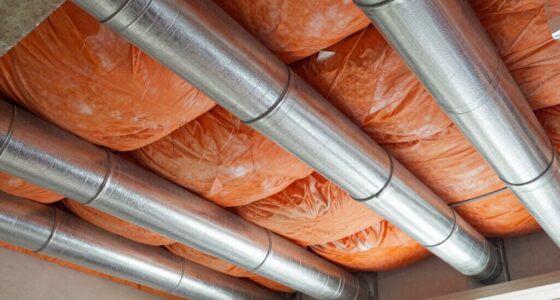
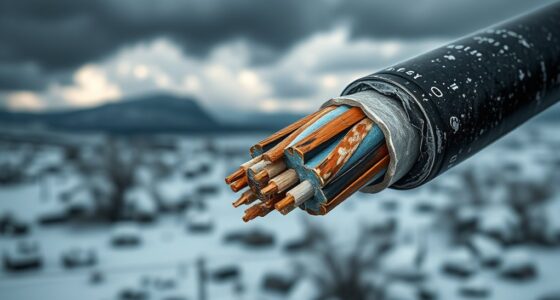
In high-traffic areas, cables are constantly exposed to physical stress, increasing their risk of damage and shortening their lifespan. To protect your cables and ensure longevity, focus on proper cable insulation. Good insulation acts as a barrier against abrasion, impact, and environmental factors like moisture and dust. When selecting cables, prioritize those with durable, high-quality insulation materials suited for heavy use. Regularly inspect the insulation for signs of wear, cracks, or cuts, and replace damaged cables immediately to prevent short circuits or failure. Additionally, consider using protective coverings or conduit sleeves that encase the cables, providing an extra layer of defense against physical harm.
Use durable insulation and protective coverings to extend cable life in high-traffic areas.
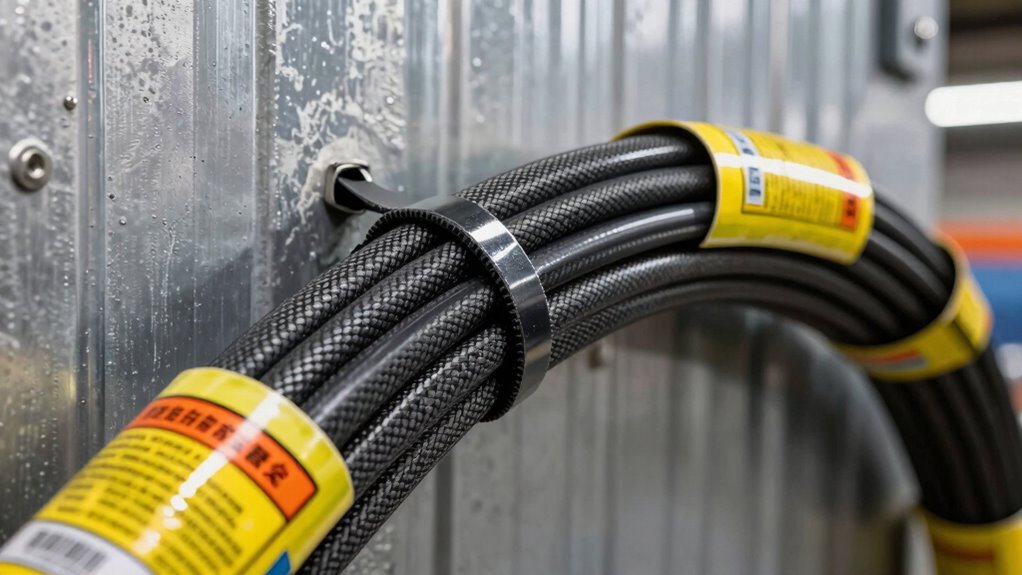
Equally important is cable routing. Thoughtful routing minimizes exposure to potential hazards and reduces stress on the cables. Avoid running cables across walkways or through areas with high foot traffic, where they’re more likely to be stepped on or snagged. Instead, route cables along walls, ceilings, or designated cable trays that keep them out of harm’s way. Use cable ties or clips to secure cables neatly along surfaces, preventing unnecessary movement that can cause wear over time. When crossing open spaces, elevate cables on hooks or conduits, avoiding contact with sharp edges or abrasive surfaces that could damage the insulation. Proper routing also involves avoiding tight bends or kinks, which can strain the cables and compromise their insulation integrity.
In high-traffic environments, cable management isn’t just about safety; it’s about extending the lifespan of your entire system. Implementing a consistent maintenance routine ensures that you catch issues early before they escalate. Regularly checking cable insulation and routing paths helps maintain optimal performance and prevents costly repairs or replacements down the line. When installing new cables, plan routes carefully, considering future access and potential hazards. Use cable management accessories designed for heavy use, like reinforced conduits or flexible cable protectors, to shield cables from physical stress and reduce the chance of accidental damage. Incorporating durable insulation materials further enhances the resilience of your cables in demanding settings. Understanding how cable stress impacts insulation can help you better prevent early failures and extend cable life. Moreover, employing proper installation techniques can significantly reduce the likelihood of damage caused by improper handling or routing.
Ultimately, protecting your cables in high-traffic areas hinges on smart cable insulation choices and strategic cable routing. These steps reduce wear, prevent damage, and ensure your cables perform reliably over time. By actively managing how cables are installed and maintained, you create a safer environment and extend the life of your entire wiring infrastructure. Remember, investing in quality materials and thoughtful placement now can save you significant time and money in the future.
heavy duty cable conduit sleeves
As an affiliate, we earn on qualifying purchases.
As an affiliate, we earn on qualifying purchases.
Frequently Asked Questions
What Types of Cables Are Most Resistant to Wear and Tear?
You should opt for cables made from durable materials like rubber or thermoplastic elastomers, which offer excellent resistance to wear and tear. Additionally, look for cables with wear-resistant coatings, such as polyurethane or PVC, that protect against abrasion and friction. These features guarantee the cables withstand high-traffic environments, reducing damage and extending their lifespan. Combining resilient cable materials with protective coatings is your best strategy for durability in busy areas.
How Often Should Cables Be Inspected for Damage?
You should inspect cables regularly, ideally every three to six months, to guarantee damage prevention. Use cable testing tools during inspections to identify any signs of wear, fraying, or internal damage early. Frequent inspections help catch issues before they worsen, reducing downtime and costly repairs. In high-traffic areas, more frequent checks are advisable, as increased use accelerates wear and tear, compromising cable performance and safety.
Can Cable Coatings Extend Lifespan in Busy Areas?
Yes, cable coatings, especially protective coatings, and cable reinforcement can markedly extend their lifespan in busy areas. Protective coatings shield cables from moisture, abrasion, and chemicals, reducing wear and tear. Cable reinforcement adds strength, preventing damage from physical stress and heavy traffic. Together, these measures help cables withstand the demanding conditions of high-traffic environments, ensuring longevity and reducing maintenance costs over time.
What Environmental Factors Most Affect Cable Durability?
Environmental impact and chemical exposure considerably affect cable durability. You should watch out for moisture, temperature fluctuations, and UV radiation, which can degrade cables over time. Chemical exposure from cleaning agents, pollutants, or corrosive substances can weaken insulation and conductors. To extend cable lifespan, you need to choose cables with durable coatings, keep them protected from harsh environmental conditions, and minimize exposure to harmful chemicals.
Are There Specific Installation Tips to Reduce Cable Stress?
To reduce cable stress, focus on strategic cable management—use cable ties, conduit, and anchor points to prevent tension and movement. Avoid sharp bends, guarantee proper support, and keep cables away from heavy foot traffic. Regularly inspect and adjust installations to prevent wear. By organizing cables neatly, you minimize stress and strain, extending their lifespan. Proper cable management directly supports stress reduction, ensuring durability in high-traffic areas.
As an affiliate, we earn on qualifying purchases.
Conclusion
By taking proactive steps like using protective coatings and choosing durable cables, you can substantially extend their lifespan in high-traffic areas. Some might think investing in better cables isn’t worth the cost, but consider the long-term savings on replacements and repairs. Ultimately, protecting your cables now prevents costly headaches later, ensuring smooth operations and safety. Remember, a small upfront effort can save you time and money in the long run.
durable cable insulation materials
As an affiliate, we earn on qualifying purchases.
As an affiliate, we earn on qualifying purchases.
protective cable covers for high traffic
As an affiliate, we earn on qualifying purchases.
As an affiliate, we earn on qualifying purchases.
Fall Picks
fall essentials
As an affiliate, we earn on qualifying purchases.