Many believe that traditional cabling standards are enough for today’s smart buildings, but the truth suggests otherwise. The TIA-862 standard offers a thorough approach to designing resilient, scalable network infrastructure that supports advanced applications and IoT integration. How you implement these guidelines can determine your building’s operational efficiency and future readiness. Could adopting TIA-862 be the key to ensuring your cabling system keeps pace with rapidly evolving technology?
Key Takeaways
- TIA-862 provides standards for designing scalable, reliable network topologies in intelligent buildings.
- It emphasizes effective cabling layouts to reduce latency and improve fault detection.
- The standard guides structured cable management practices to ensure organization and ease of maintenance.
- It supports future expansion by promoting adaptable cabling infrastructure aligned with building needs.
- TIA-862 helps ensure high bandwidth support for IoT, automation, and security systems in smart buildings.

Are you looking to optimize cabling systems for smart buildings? If so, understanding the importance of proper network topology and cable management becomes essential. The TIA-862 standard offers extensive guidelines that help you design and implement intelligent building cabling systems efficiently. By focusing on these key aspects, you can ensure your infrastructure supports current and future technology needs seamlessly.
Network topology forms the backbone of your intelligent building’s cabling system. It determines how devices connect, communicate, and share data across the network. TIA-862 emphasizes establishing a clear, scalable topology that accommodates growth and technology updates. Whether you opt for a star, bus, or hybrid layout, the standard guides you to choose the most effective configuration for your building’s size and complexity. Proper topology reduces latency, improves fault isolation, and simplifies troubleshooting. It also plays a critical role in supporting the high bandwidth demands of smart building applications, such as IoT sensors, security systems, and automation controls. When designing your topology, consider future expansion, ensuring your cabling can adapt without major overhauls.
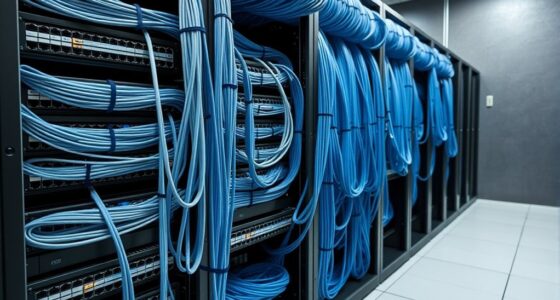
Cable management is equally crucial in creating a reliable, organized, and safe cabling infrastructure. TIA-862 stresses the importance of disciplined cable routing, labeling, and securing. Good cable management minimizes interference, prevents accidental disconnections, and prolongs the lifespan of your cabling. It also makes maintenance more straightforward, reducing downtime and costs. Implementing structured pathways, such as cable trays or conduits, keeps cables neatly separated and protected from physical damage. Proper labeling systems, as recommended by TIA-862, help you quickly identify cables during troubleshooting or upgrades, avoiding unnecessary disruptions. Additionally, managing cable bend radius and avoiding excessive tension are essential practices highlighted in the standard, ensuring signal integrity and reducing the risk of premature cable failure. Incorporating these practices from the planning stage guarantees your cabling system remains robust and flexible as your building’s technology evolves.
Frequently Asked Questions
How Does TIA-862 Improve Building Security Systems?
TIA-862 improves your building security systems by ensuring a secure and reliable cabling infrastructure, which enhances system reliability and reduces downtime. It incorporates best practices for security enhancement through proper cable shielding, grounding, and segregation, preventing interference or tampering. By following these standards, your security systems operate seamlessly, providing consistent protection and instant response capabilities, ultimately strengthening your building’s overall safety and security posture.
What Are the Cost Benefits of Implementing TIA-862?
Implementing TIA-862 boosts your cost benefits by reducing overall installation and maintenance costs through standardized, efficient cabling systems. It enhances investment efficiency by streamlining wiring infrastructure, minimizing future upgrades, and preventing costly errors. You’ll save money on rework, improve system reliability, and extend equipment lifespan. This approach guarantees your building’s cabling is future-ready, ultimately lowering total ownership costs and maximizing your investment’s value over time.
Can TIA-862 Be Integrated With Existing Cabling Standards?
Think of your cabling system as a multilingual network. TIA-862 can seamlessly blend with your existing standards, ensuring cabling compatibility and smooth standard integration. You won’t need to overhaul everything; instead, you can add new ‘languages’ without losing the old. This compatibility helps you upgrade incrementally, saving costs and avoiding disruptions, much like a translator who keeps the conversation flowing across different languages.
How Does TIA-862 Support Future Technology Upgrades?
You can rely on TIA-862 to support future technology upgrades by promoting a smart building infrastructure with enhanced network scalability. It’s designed to accommodate evolving systems, ensuring your cabling can handle new devices and increased data loads. By implementing TIA-862, you future-proof your network, making upgrades smoother and more efficient, so your smart building stays current and adaptable to emerging technologies without costly overhauls.
What Training Is Required for Installers of TIA-862 Systems?
You need to get certified as an installer for TIA-862 systems, because “practice makes perfect.” This certification guarantees you understand installation standards and best practices. Additionally, training in system maintenance keeps your skills sharp for troubleshooting and upgrades. Staying updated with manufacturer guidelines and industry standards is essential, so continuous learning helps you maintain reliable, future-proof cabling systems that keep intelligent buildings running smoothly.
Conclusion
By following TIA-862, you’re setting your building’s cabling on a path of future-proof reliability and seamless connectivity. But the true test lies in how well you implement these standards—are your systems prepared for tomorrow’s smart technology and IoT demands? Don’t wait until a failure disrupts your operations. Take action now, and uncover the hidden potential of your network infrastructure before it’s too late. The future of intelligent buildings depends on your choices today.