
Many believe that flame test standards like IEC 60332 are just formalities, but in reality, they serve a vital role in fire safety. These tests evaluate how electrical cables behave when exposed to flames, revealing whether they can resist ignition or slow the spread of fire. Understanding the specifics of IEC 60332 can help you make better choices for safety-critical applications—yet, what exactly do these standards demand from cable manufacturers?

Get business pricing on networking and server gear
- Business-only prices and quantity discounts
- Tax-exempt purchasing
- Multiple users, one account, clear invoices
Key Takeaways
- IEC 60332 standards define procedures to evaluate the flame retardant properties of electrical cables.
- The test involves exposing cable samples to a controlled flame and measuring flame propagation.
- IEC 60332 includes multiple parts, such as IEC 60332-1 (single cable) and IEC 60332-3 (bundled cables).
- Compliance indicates a cable’s ability to resist fire spread and smoke production during a fire.
- These standards help ensure fire safety, regulatory compliance, and reduce risks in various environments.

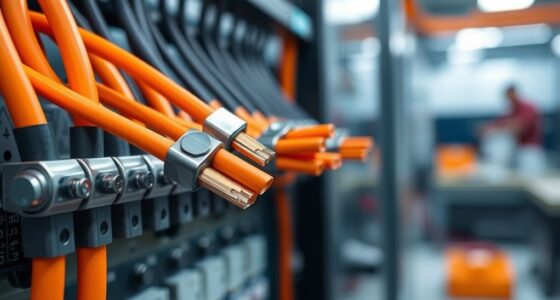
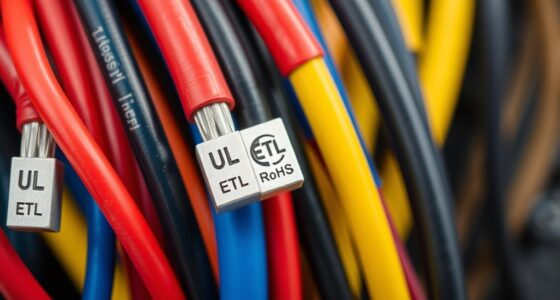
IEC 60332 Flame Test Standards set the benchmarks for evaluating the fire performance of electrical cables and their components. When it comes to cable fire safety, these standards play a critical role in ensuring that cables can withstand fire exposure without contributing excessively to fire spread or smoke production. As someone responsible for selecting or installing electrical wiring, understanding these standards helps you make informed choices that prioritize safety and compliance. By adhering to IEC 60332, manufacturers develop cables with flame retardant materials that resist ignition and slow down flame propagation, minimizing damage during a fire incident.
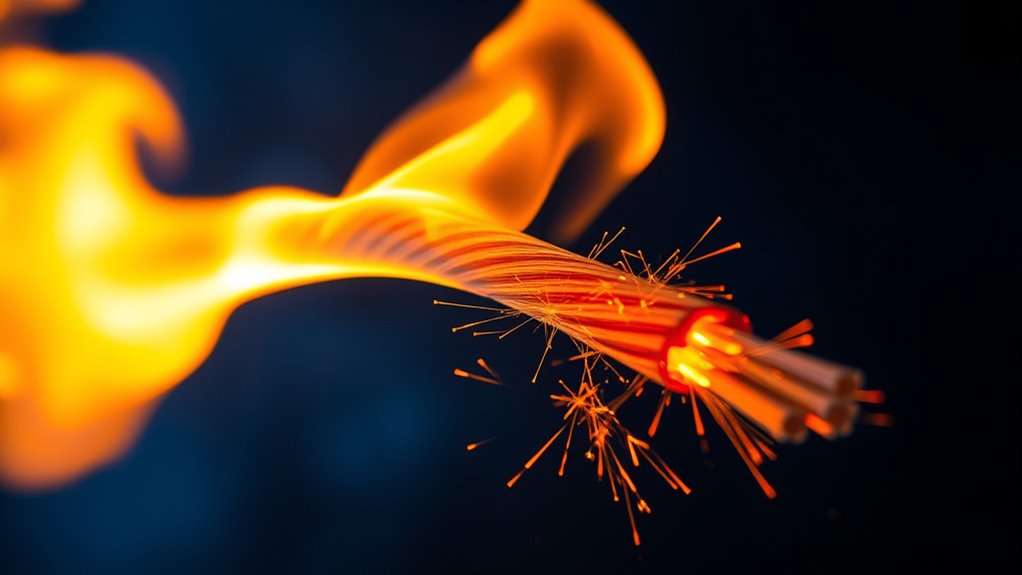
The standards specify test procedures to assess how cables react when exposed to a flame source. During testing, a cable sample is subjected to a controlled flame for a set period, and its burning behavior is carefully observed. The key measure is whether the cable continues to burn after the flame is removed and how far the flame propagates along the cable. These tests help determine the cable’s flame retardant properties, ensuring they meet the safety thresholds necessary for different environments—be it residential, commercial, or industrial. When cables comply with IEC 60332, you can be confident they’ve been tested to resist fire spread, which is essential for protecting lives and property.
IEC 60332 tests assess cable flame spread and burning behavior to ensure fire safety compliance.
Choosing cables that meet IEC 60332 standards also means you’re prioritizing the use of flame retardant materials. These specialized materials are designed to inhibit ignition and slow the flame’s progress, reducing the risk of fire escalation. Flame retardant cables are essential in areas where fire safety is paramount, such as hospitals, airports, and public buildings. By using cables with proven flame-resistant properties, you help contain potential fires, giving occupants more time to evacuate and firefighters more control over the situation.
Moreover, IEC 60332 standards influence regulations and building codes worldwide, making them essential for compliance. When you install cables tested according to these standards, you’re aligning with legal requirements and best practices for fire safety. It’s also worth noting that ongoing advancements in flame retardant technology continue to improve cable performance, providing even greater protection while reducing environmental and health concerns associated with certain flame retardant chemicals. Additionally, using compliant cables can contribute to overall fire safety and risk management strategies in various infrastructures.
Frequently Asked Questions
How Do IEC 60332 Standards Compare to Other Flame Test Standards?
You’ll find that IEC 60332 standards offer a high level of comparative effectiveness in evaluating flame propagation compared to other flame test standards. They use specific testing methodologies designed to evaluate how materials resist fire spread, making them reliable for safety assessments. While some standards focus on different aspects like smoke or heat release, IEC 60332 emphasizes flame spread, providing a thorough understanding of a material’s fire performance.
What Are the Recent Updates to IEC 60332 Regulations?
You won’t believe the recent updates to IEC 60332 regulations—they’ve revolutionized fiber optic cable insulation safety! Now, stricter flame propagation criteria and enhanced testing procedures make certain cables are even safer in real-world fires. These updates emphasize fire resistance, reducing risks dramatically. If you’re working with fiber optic cables, staying current guarantees your installations meet the latest safety standards, protecting people and property from catastrophic fire hazards.
Are There Industry-Specific Applications for IEC 60332 Testing?
You’ll find IEC 60332 testing critical in various industrial applications to guarantee safety protocols are met. For instance, in construction, electrical wiring, and telecommunications, it helps assess flame retardancy of cables and materials. This testing guides manufacturers in developing safer products, reducing fire risks. By applying IEC 60332 standards, you ensure compliance with industry-specific safety requirements, ultimately protecting people and infrastructure from fire hazards.
How Long Does the IEC 60332 Testing Process Typically Take?
The test duration for IEC 60332 typically ranges from a few hours up to a day, depending on the specific cable or material you’re testing. Your testing timeline can vary based on factors like sample preparation, testing complexity, and lab scheduling. Generally, expect the process to take around one to two days, but it’s wise to consult your testing facility for a more precise estimate tailored to your project’s needs.
What Safety Precautions Are Necessary During IEC 60332 Testing?
Think of safety precautions as your shield during testing. You should always wear protective gear, including gloves, goggles, and flame-resistant clothing, to guard against burns or sparks. Make certain proper ventilation systems are in place to prevent smoke buildup and inhalation of hazardous fumes. Never skip safety steps, and stay alert; these measures protect you from potential hazards and make the test environment safe for everyone involved.
Conclusion
By understanding IEC 60332 flame test standards, you guarantee your cables meet the highest fire safety benchmarks—potentially saving lives and preventing catastrophic fires. These standards are your shield against the chaos of uncontrolled flames, proving that even the tiniest cable can wield the power to stop a blaze in its tracks. Embrace these tests and make fire safety your top priority—because in the battle against flames, every second counts!
Halloween Picks
halloween
As an affiliate, we earn on qualifying purchases.