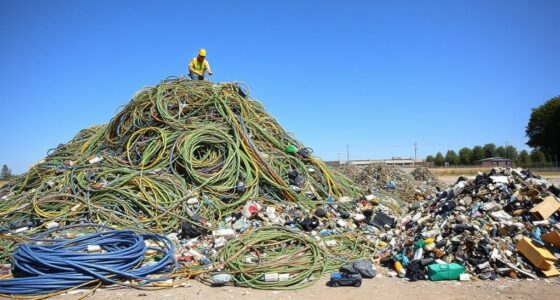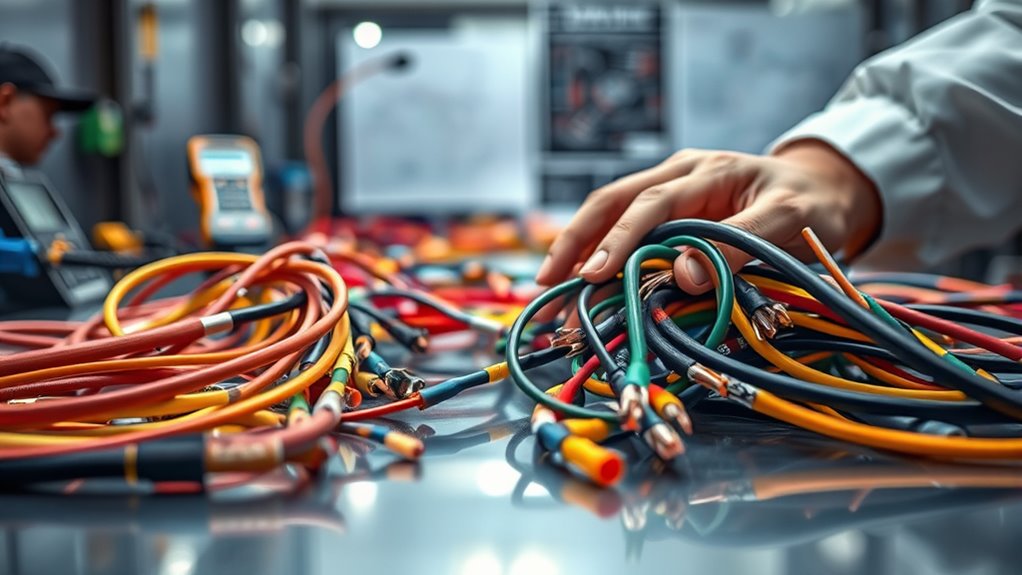

When evaluating the life cycle of cabling products, you need to consider more than just initial installation costs. Durability, environmental resistance, and potential maintenance requirements all play a role in long-term performance. Understanding how these factors influence overall reliability can help you make smarter choices that save money and reduce downtime. But ensuring you select the right cables requires a thorough look at how they perform throughout their entire lifespan.

Get business pricing on networking and server gear
- Business-only prices and quantity discounts
- Tax-exempt purchasing
- Multiple users, one account, clear invoices
Key Takeaways
- Assess material durability and environmental resistance to ensure long-term performance and reliability.
- Consider installation practices that minimize stress and damage, extending cable lifespan.
- Analyze total cost of ownership, including maintenance, replacements, and operational downtime.
- Evaluate product certifications and tested performance data for environmental and mechanical resilience.
- Prioritize materials with proven longevity and sustainability to maximize the cable’s life cycle benefits.
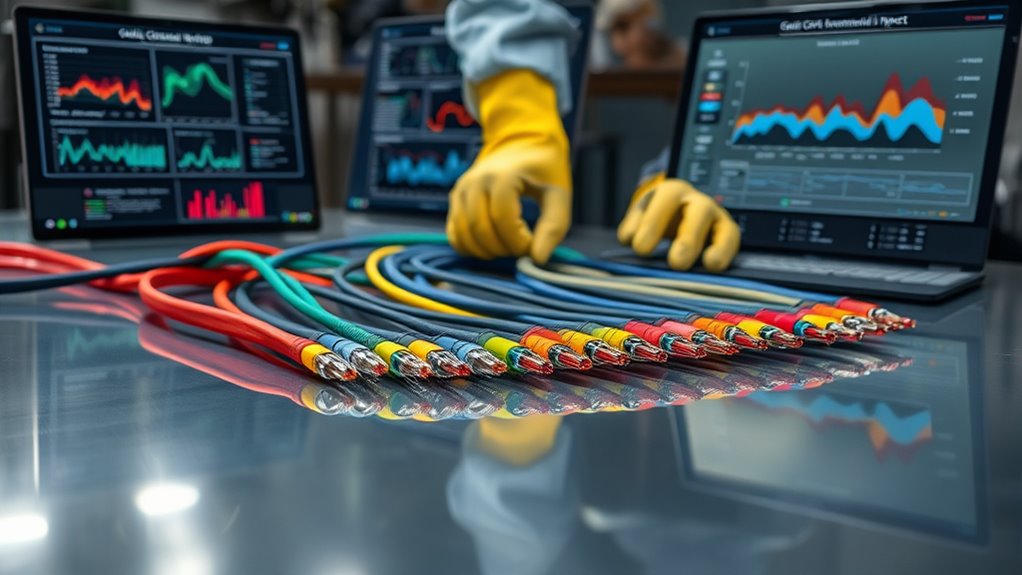
Have you ever considered how the entire life cycle of cabling products impacts your infrastructure’s reliability and sustainability? It’s easy to focus solely on installation or upfront costs, but understanding how materials perform over time is essential. Material durability directly influences the longevity of your cabling system, affecting maintenance needs, performance consistency, and overall cost-effectiveness. When selecting cables, you want products made from robust materials that resist environmental factors like moisture, temperature fluctuations, and physical wear. Durable materials ensure that cables won’t degrade quickly, reducing the frequency of replacements and minimizing downtime. In turn, this enhances installation longevity, meaning your infrastructure remains operational longer without the need for frequent upgrades or repairs.
Material durability ensures long-lasting, reliable cabling that reduces maintenance and enhances infrastructure performance over time.
The initial choice of cabling materials sets the foundation for long-term success. For example, high-quality insulation and protective sheaths can prevent damage from chemicals, UV exposure, or mechanical stress. These qualities are essential, especially in harsh environments, as they contribute to the overall reliability of your system. When cables are built from resilient materials, they withstand the test of time, which is a key aspect of evaluating their life cycle. This durability not only cuts costs associated with repairs but also ensures consistent data or power transmission, keeping your operations running smoothly. The longer your cables last, the better your return on investment becomes, as you avoid frequent replacements that disrupt service.
Installation longevity is just as important as the material quality itself. Proper installation techniques, combined with durable materials, extend the life of your cabling system. If cables are installed correctly, with attention to bend radius, secure connections, and appropriate routing, the risk of early failure drops considerably. A well-executed installation reduces stress on the materials and prevents damage that could compromise performance. Over time, this careful approach ensures your cabling remains functional, reliable, and less prone to issues caused by environmental or mechanical factors. When evaluating cabling products, always consider how their material composition and installation practices work together to maximize lifespan.
Ultimately, assessing the life cycle of cabling products means looking beyond initial costs and considering how materials will perform over years of use. Material durability influences not just how long your cables last but also how cost-effective they are in the long run. When you prioritize high-quality materials and proper installation techniques, you set your infrastructure up for long-term success, ensuring reliability, sustainability, and peace of mind. Additionally, staying informed about material performance and environmental resistance can help in selecting products that meet specific operational demands and environmental conditions.
durable Ethernet cables for harsh environments
As an affiliate, we earn on qualifying purchases.
As an affiliate, we earn on qualifying purchases.
Frequently Asked Questions
How Do Environmental Factors Impact Cabling Lifespan?
Environmental factors considerably impact your cabling lifespan. Chemical degradation from exposure to moisture, UV rays, or chemicals can weaken the materials, leading to early failure. Mechanical wear from abrasion, bending, or physical stress also shortens durability. To extend your cabling’s life, protect it from harsh conditions, minimize physical damage, and use appropriate insulation and shielding. Regular inspections help identify issues caused by these environmental factors before they cause major problems.
What Are the Latest Innovations in Eco-Friendly Cabling Materials?
Imagine you’re back in 1999, when eco-friendliness was just a spark. Today, you can choose cables made from biodegradable polymers and recycled copper wiring. These innovations reduce environmental impact, promote sustainability, and cut waste. Manufacturers now focus on creating materials that break down naturally and repurpose existing metals. By opting for these eco-friendly cabling options, you’re helping protect the planet while ensuring reliable connectivity for years to come.
How Does Installation Environment Affect Cable Durability?
You need to contemplate how the installation site and environmental exposure impact cable durability. Harsh conditions like humidity, extreme temperatures, or chemical exposure can weaken cables over time, leading to failures. Properly selecting cables suited for specific environments and protecting them with suitable insulation or conduit can extend their lifespan. Regular maintenance and inspections also help ensure cables withstand environmental challenges, maintaining reliable performance throughout their lifecycle.
Are There Standards for Assessing Cable Recyclability?
You can look for cables with recycling certifications like EPEAT or UL Environment, which guarantee they meet environmental standards. For example, a company switching to certified cables successfully improves material recovery and reduces waste. These standards help you assess cable recyclability by verifying materials are recyclable and environmentally friendly. By choosing certified products, you support sustainable practices and make recycling efforts more effective in extending the cable’s life cycle.
What Maintenance Practices Extend Cable Life Cycles?
You can extend cable life cycles by regularly inspecting cable insulation for wear and tear, preventing exposure to harsh environmental conditions, and promptly addressing connector corrosion. Make sure to clean connectors and apply protective coatings when needed, which helps maintain signal integrity. Proper storage and gentle handling also prevent damage, reducing the need for repairs or replacements, and ultimately prolonging the cables’ useful life.
UV resistant outdoor network cables
As an affiliate, we earn on qualifying purchases.
As an affiliate, we earn on qualifying purchases.
Conclusion
By carefully evaluating the life cycle of cabling products, you guarantee reliability and save costs in the long run. Imagine installing cables that last a decade without major issues—reducing downtime and maintenance expenses. For example, a data center upgraded to durable, environmentally-resistant cables, resulting in fewer outages and happier clients. Prioritizing these factors isn’t just smart—it’s essential for building resilient, efficient systems that stand the test of time.
As an affiliate, we earn on qualifying purchases.
cabling with environmental resistance
As an affiliate, we earn on qualifying purchases.
As an affiliate, we earn on qualifying purchases.
Halloween Picks
halloween
As an affiliate, we earn on qualifying purchases.