

Cloud infrastructure management tools come in two flavors: the platforms you run (like Terraform, CloudFormation, and Kubernetes orchestrators) and the resources that teach you to run them well. This roundup covers both, ranking 13 standout options for 2026. Mastering Terraform: Infrastructure as Code in Practice earns the top spot for its tool-agnostic depth and real-world workflow coverage, while Infrastructure as Code, Patterns and Practices wins on value for teams already scripting in Python. Beginners get a clear on-ramp with Cloud Computing and Automation for Beginners. The core tradeoff across this category is single-cloud depth versus multi-cloud flexibility, plus how much hands-on automation you want versus architectural theory. Read on for the full breakdown, including who each pick suits and who should skip it.

Get business pricing on networking and server gear
- Business-only prices and quantity discounts
- Tax-exempt purchasing
- Multiple users, one account, clear invoices
Key Takeaways
- Terraform dominates this category: five of the thirteen picks center on it, and its provider-agnostic model is why multi-cloud teams keep choosing it over native tools like CloudFormation.
- AWS-only buyers get more depth per page from CloudFormation resources, but that specialization becomes a liability the moment a second cloud enters the picture.
- The steepest gap in this lineup is between beginner guides and practitioner books — jumping straight to advanced Terraform material without Python or networking basics is the most common misstep.
- Visual and illustrated references (like Visualizing Google Cloud) fill a real niche for architects who explain systems to stakeholders, but they won’t replace hands-on provisioning guides.
- Books covering patterns and practices aged better than tool-version-specific tutorials, because APIs change faster than design principles.
| Mastering Infrastructure as Code with AWS CloudFormation |  | Best for AWS-Only Teams | Format: Book (print) | Topic: AWS CloudFormation, infrastructure as code | Cloud Coverage: AWS only | VIEW LATEST PRICE | See Our Full Breakdown |
| Managing Distributed Cloud Applications and Infrastructure: A Self-Optimising Approach |  | Best for Strategic Thinkers | Format: Book | Topic: Distributed cloud application and infrastructure management | Approach: Self-optimising systems theory | VIEW LATEST PRICE | See Our Full Breakdown |
| Mastering Python Networking | 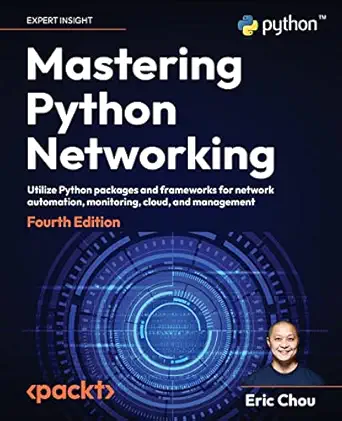 | Best for Network Engineers Moving to Cloud | Format: Book (print/ebook) | Topic: Network automation, monitoring, cloud management | Language: Python | VIEW LATEST PRICE | See Our Full Breakdown |
| Infrastructure as Code: Managing Servers in the Cloud |  | Best for Foundational Principles | Format: Book (print/ebook) | Topic: Infrastructure as code, cloud server management | Cloud Coverage: Vendor-agnostic | VIEW LATEST PRICE | See Our Full Breakdown |
| Mastering Terraform: Infrastructure as Code in Practice |  | Best Overall for Multi-Cloud IaC | Format: Book | Topic: Terraform, infrastructure as code | Cloud Coverage: AWS, Azure, and Google Cloud | VIEW LATEST PRICE | See Our Full Breakdown |
| Cloud Migration PM Bible: The Complete Framework for Running Successful Infrastructure, Application, and Cloud Migrations |  | Best for Project Managers | Format: Book (digital/print) | Focus: Cloud, infrastructure, and application migration management | Audience: Project managers, IT professionals | VIEW LATEST PRICE | See Our Full Breakdown |
| Multi-Cloud Mastery: Architecting Secure and Scalable Kubernetes Systems and Infrastructures |  | Best for Multi-Cloud Architects | Format: Book (digital/print) | Focus: Multi-cloud Kubernetes architecture, security, scalability | Audience: Cloud architects, DevOps professionals | VIEW LATEST PRICE | See Our Full Breakdown |
| Infrastructure as Code, Patterns and Practices: With Examples in Python and Terraform |  | Best for IaC Depth | Format: Print/digital book | Focus: Infrastructure as code patterns and practices | Tools covered: Python and Terraform | VIEW LATEST PRICE | See Our Full Breakdown |
| Terraform Made Easy: Provisioning, Managing and Automating Cloud Infrastructure with Terraform on Google Cloud | 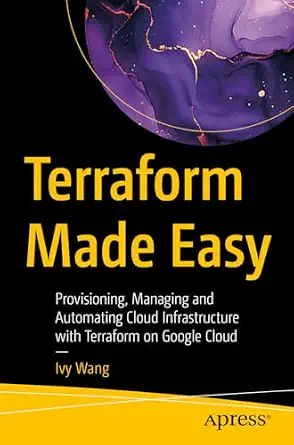 | Best Single-Platform Terraform Guide | Format: Book (digital/print) | Focus: Terraform provisioning and automation | Platform coverage: Google Cloud | VIEW LATEST PRICE | See Our Full Breakdown |
| Visualizing Google Cloud: 101 Illustrated References for Cloud Engineers and Architects |  | Best Visual Reference | Format: Print/digital book | Focus: Illustrated Google Cloud reference | Content: 101 illustrated references | VIEW LATEST PRICE | See Our Full Breakdown |
| Infrastructure as Code: Dynamic Systems for the Cloud Age |  | Best for Strategic Thinkers | Format: Print / digital book | Topic Focus: Infrastructure as code principles, automation, dynamic system design | Cloud Coverage: General cloud concepts, platform-agnostic | VIEW LATEST PRICE | See Our Full Breakdown |
| Cloud Computing and Automation for Beginners: A Step-by-Step Guide to Modern Cloud Platforms, Infrastructure as Code, and CI/CD Workflows |  | Best for Beginners | Format: Print / digital book | Topic Focus: Cloud computing fundamentals, infrastructure as code, CI/CD workflows | Cloud Coverage: Overview of modern cloud platforms, vendor-neutral | VIEW LATEST PRICE | See Our Full Breakdown |
| Infrastructure Automation with Terraform: Automate and Orchestrate Your Infrastructure Across AWS and Microsoft Azure |  | Best Hands-On Terraform Guide | Format: Print / digital book | Topic Focus: Terraform automation and orchestration | Cloud Coverage: AWS and Microsoft Azure | VIEW LATEST PRICE | See Our Full Breakdown |
| cloud infrastructure management tool | Format | Audience | Cloud Coverage | Experience Level |
|---|---|---|---|---|
| Mastering Infrastructure as Co | Book (print) | IT professionals and developers | AWS only | Intermediate to advanced |
| Managing Distributed Cloud App | Book | Architects and technology strategists | Vendor-agnostic | Advanced |
| Mastering Python Networking | Book (print/ebook) | Network professionals and developers | Vendor-agnostic with cloud integration chapters | Intermediate to advanced |
| Infrastructure as Code: Managi | Book (print/ebook) | Engineers and technical decision-makers | Vendor-agnostic | Beginner to intermediate |
| Mastering Terraform: Infrastru | Book | Beginners through experienced professionals | AWS, Azure, and Google Cloud | Beginner to advanced |
| Cloud Migration PM Bible: The | Book (digital/print) | Project managers, IT professionals | — | — |
| Multi-Cloud Mastery: Architect | Book (digital/print) | Cloud architects, DevOps professionals | — | — |
| Infrastructure as Code | Print/digital book | Developers, DevOps professionals | — | — |
| Terraform Made Easy: Provision | Book (digital/print) | Beginner to experienced users | — | — |
| Visualizing Google Cloud: 101 | Print/digital book | Cloud engineers and architects | — | — |
| Infrastructure as Code: Dynami | Print / digital book | — | General cloud concepts, platform-agnostic | Intermediate to advanced IT professionals and developers |
| Cloud Computing and Automation | Print / digital book | — | Overview of modern cloud platforms, vendor-neutral | Beginner |
| Infrastructure Automation with | Print / digital book | — | AWS and Microsoft Azure | Intermediate; some IaC familiarity assumed |
More Details on Our Top Picks
Mastering Infrastructure as Code with AWS CloudFormation
This pick stands out for teams that have committed fully to the AWS ecosystem and want deep CloudFormation expertise rather than broad multi-cloud theory. Compared with Mastering Terraform, which spreads its attention across AWS, Azure, and Google Cloud, this book goes narrower and deeper on a single tool — that focus pays off if CloudFormation templates are what your organization actually ships. The automation and orchestration guidance translates directly into fewer manual console changes and more repeatable deployments. The tradeoff is obvious: everything here is AWS-specific, so readers following Infrastructure as Code: Managing Servers in the Cloud toward tool-agnostic principles will outgrow this book the moment a second cloud provider enters the picture. It also assumes working AWS knowledge rather than building it from scratch.
Pros:- Deep, focused coverage of CloudFormation rather than surface-level multi-tool surveys
- Practical automation and orchestration techniques that map to real deployment workflows
- Written for working IT professionals, so the material stays career-relevant
- Strong companion for teams standardizing on AWS-native tooling
Cons:- Locked to AWS — content doesn’t transfer to Azure or Google Cloud environments
- No customer ratings available yet, making quality harder to gauge before buying
Best for: AWS-centric DevOps engineers and developers who need to master CloudFormation for production automation
Not ideal for: Multi-cloud teams or beginners — the single-vendor focus and assumed AWS familiarity leave both groups underserved
- Format:Book (print)
- Topic:AWS CloudFormation, infrastructure as code
- Cloud Coverage:AWS only
- Audience:IT professionals and developers
- Focus Areas:Cloud automation and orchestration
- Experience Level:Intermediate to advanced
Our verdict“Choose this if AWS is your only cloud and CloudFormation is your templating standard; skip it if multi-cloud portability matters.”
Managing Distributed Cloud Applications and Infrastructure: A Self-Optimising Approach
Where most entries in this lineup teach you a tool, this one teaches you a management philosophy. Its self-optimising framework for distributed systems is aimed at architects and technology leaders who design cloud strategy, not engineers typing out templates. Compared with Mastering Infrastructure as Code with AWS CloudFormation, which is hands-on and prescriptive, this book sits a level higher — strategy over syntax. That altitude is exactly its value and its weakness: readers hoping for copy-paste configurations like those in Mastering Terraform will find no worked examples or case studies here. The conceptual density also makes it a poor entry point; pair it with a practical title rather than treating it as your only resource.
Pros:- Rare strategic depth on distributed cloud management rather than tool tutorials
- Self-optimising framework is genuinely useful for long-term architecture planning
- Connects infrastructure decisions to digital business outcomes
- Fills a gap none of the tool-focused books in this roundup address
Cons:- No practical examples or case studies to ground the theory
- Too technical and abstract for readers new to cloud management
Best for: Cloud architects and engineering managers designing distributed-systems strategy at an organizational level
Not ideal for: Hands-on practitioners and beginners — the theoretical, example-free treatment won’t help you build anything this week
- Format:Book
- Topic:Distributed cloud application and infrastructure management
- Approach:Self-optimising systems theory
- Cloud Coverage:Vendor-agnostic
- Audience:Architects and technology strategists
- Hands-On Content:Minimal — conceptual focus
- Experience Level:Advanced
Our verdict“A thinking tool, not a doing tool — worth it for architects, frustrating for engineers who need immediate answers.”
Mastering Python Networking
This option makes the most sense for a specific buyer: the network engineer whose remit now includes cloud infrastructure. Its Python-based approach to automation, monitoring, and management bridges traditional networking and cloud operations in a way no other title here attempts. While Mastering Terraform teaches declarative provisioning, this book teaches imperative scripting skills that carry across vendors, devices, and cloud APIs alike — a durability advantage if your environment is heterogeneous. The catch is the prerequisite stack: unlike Cloud Computing and Automation for Beginners, this assumes real Python fluency and leans heavily toward networking use cases, so pure infrastructure teams may find half the material adjacent to their needs.
Pros:- Teaches transferable scripting skills that outlast any single cloud vendor
- Practical, code-driven examples for automation and monitoring
- Uniquely bridges networking and cloud management in one resource
- Covers popular Python packages and frameworks used in real operations
Cons:- Requires solid prior Python knowledge — not a learn-as-you-go text
- Networking-weighted content may feel off-target for pure cloud infrastructure teams
Best for: Network professionals with Python experience who are extending their automation skills into cloud environments
Not ideal for: Infrastructure engineers without coding background — the Python prerequisite and networking focus create a steep entry barrier
- Format:Book (print/ebook)
- Topic:Network automation, monitoring, cloud management
- Language:Python
- Cloud Coverage:Vendor-agnostic with cloud integration chapters
- Audience:Network professionals and developers
- Hands-On Content:High — practical code examples
- Experience Level:Intermediate to advanced
Our verdict“The right pick if you manage networks that now touch the cloud; the wrong one if you’re looking for a first cloud book.”
Infrastructure as Code: Managing Servers in the Cloud
This is the conceptual anchor of the roundup: the book that explains why infrastructure as code works, not just how to run a specific tool. Compared with the tool-specific titles like Mastering Infrastructure as Code with AWS CloudFormation, this one emphasizes patterns, principles, and server management best practices that survive tool churn — valuable when Terraform or CloudFormation skills alone become dated. Readers looking for immediate, runnable examples will be better served by Infrastructure Automation with Terraform; this book rewards those building judgment for long-term architecture decisions. The tradeoff is that its tool-agnostic nature means you’ll still need a follow-up resource to execute anything concrete, and its absence of detailed specifications makes it hard to judge currency against newer titles.
Pros:- Tool-agnostic principles that remain relevant as platforms evolve
- Strong treatment of server management and automation best practices
- Builds decision-making judgment rather than narrow tool fluency
- Excellent foundation before reading tool-specific titles in this roundup
Cons:- No detailed specifications or tool walkthroughs — you’ll need a companion book to implement
- No customer reviews available to verify how well it holds up for current platforms
Best for: Engineers and technical leads who want durable IaC principles before committing to any specific toolchain
Not ideal for: Readers who need step-by-step, tool-specific instructions today — the principles-first approach delays hands-on progress
- Format:Book (print/ebook)
- Topic:Infrastructure as code, cloud server management
- Cloud Coverage:Vendor-agnostic
- Audience:Engineers and technical decision-makers
- Focus Areas:Automation strategies and best practices
- Hands-On Content:Moderate — concepts and patterns
- Experience Level:Beginner to intermediate
Our verdict“Read this to understand infrastructure as code, then read a tool book to practice it — the pairing is where the value lives.”
Mastering Terraform: Infrastructure as Code in Practice
If I had to point one buyer at a single title, this is it. Multi-cloud Terraform coverage across AWS, Azure, and Google Cloud matches what most real infrastructure teams actually run, and the blend of HCL scripting, best practices, and DevOps mindset makes it practical end to end. Compared with Mastering Infrastructure as Code with AWS CloudFormation, it trades single-vendor depth for portable skills — a fair exchange in any organization eyeing a second provider. It’s also more immediately actionable than Managing Distributed Cloud Applications and Infrastructure, which stays conceptual. The honest tradeoffs: readers brand new to cloud infrastructure may find the pace dense, and the description is thin on worked examples, so true beginners might warm up with Terraform Made Easy first.
Pros:- Covers all three major cloud providers in one resource
- Combines HCL scripting with DevOps practices, not just syntax
- Scales from foundational material to advanced practices
- Skills transfer directly to the multi-cloud environments most teams run
Cons:- Potentially dense pacing for readers without prior cloud exposure
- Description lacks specific technical examples, so depth of hands-on content is uncertain
Best for: DevOps engineers and intermediate learners who need production-grade Terraform skills across multiple cloud providers
Not ideal for: Complete newcomers to cloud concepts — the multi-cloud scope and DevOps framing assume baseline knowledge that beginners won’t have yet
- Format:Book
- Topic:Terraform, infrastructure as code
- Cloud Coverage:AWS, Azure, and Google Cloud
- Key Skills:HCL scripting, automation, DevOps practices
- Audience:Beginners through experienced professionals
- Hands-On Content:High — practice-oriented
- Experience Level:Beginner to advanced
Our verdict“The most broadly useful pick in this lineup — get it if you can only buy one book on modern infrastructure as code.”
Cloud Migration PM Bible: The Complete Framework for Running Successful Infrastructure, Application, and Cloud Migrations
Most titles in this roundup teach you how to build and automate cloud infrastructure; this one teaches you how to run the migration project itself. Where Infrastructure as Code, Patterns and Practices dives into Python and Terraform code, this book stays at the framework level — planning, governance, and execution strategy for moving workloads to the cloud. That makes it a rare fit for PMs who coordinate migrations without writing code. The tradeoff is real, though: engineers expecting tool walkthroughs or Terraform samples will find nothing hands-on here, and the material assumes enough cloud vocabulary that true newcomers may struggle.
Pros:- Complete framework covering strategy through execution for migrations
- Best-practice guidance applicable across infrastructure, application, and cloud projects
- Written for project managers and IT professionals rather than pure engineers
- Covers the organizational and planning side most cloud books ignore
Cons:- No hands-on tooling, scripts, or software-specific instructions
- Dense for readers without prior cloud knowledge
Best for: Project managers and IT leads responsible for planning and executing cloud or application migration programs
Not ideal for: Hands-on engineers who need code examples, tool configuration, or automation scripts — this is a process book, not a technical manual
- Format:Book (digital/print)
- Focus:Cloud, infrastructure, and application migration management
- Audience:Project managers, IT professionals
- Approach:Framework and best practices
- Hands-on code:None
- Cloud platform coverage:Platform-agnostic
Our verdict“This pick makes the most sense for migration leads who need a repeatable project framework rather than a coding guide.”
Multi-Cloud Mastery: Architecting Secure and Scalable Kubernetes Systems and Infrastructures
This is the only title in the lineup aimed squarely at multi-cloud Kubernetes architecture, which alone justifies its slot. Compared with Terraform Made Easy, which deep-dives a single provider’s provisioning workflow, this book zooms out to questions of security posture and scalability across several clouds at once — a genuinely harder problem that most single-platform guides sidestep. The weakness is the flip side of that ambition: it reads like an architecture-level discussion without clear prerequisites, so it won’t hand-hold readers who haven’t already run clusters somewhere. Paired with a hands-on IaC title like Mastering Terraform, though, it fills the design gap those books leave open.
Pros:- In-depth treatment of multi-cloud Kubernetes architecture
- Strong focus on security and scalability best practices
- Written for architects and experienced DevOps professionals
- Covers a design gap most single-provider guides skip
Cons:- No clearly stated prerequisites, making entry level hard to judge
- No customer reviews or ratings yet to validate the content quality
Best for: Cloud architects and senior DevOps engineers designing Kubernetes systems that must span multiple cloud providers
Not ideal for: Engineers working entirely within one cloud — a single-platform book like Terraform Made Easy delivers more practical depth for less effort
- Format:Book (digital/print)
- Focus:Multi-cloud Kubernetes architecture, security, scalability
- Audience:Cloud architects, DevOps professionals
- Platform coverage:Multiple cloud providers
- Hands-on code:Limited — architecture focused
- Ratings:No customer reviews available
Our verdict“Choose this if multi-cloud Kubernetes design is your actual job; skip it if you live in one provider’s ecosystem.”
Infrastructure as Code, Patterns and Practices: With Examples in Python and Terraform
This option stands out as the most conceptually rigorous IaC title in the roundup. While Terraform Made Easy teaches Terraform against one provider, this book teaches the patterns that make infrastructure code maintainable — module design, testing, and lifecycle practices — with worked examples in both Python and Terraform. That dual-language approach makes it a better fit for teams whose automation already mixes tooling, though it also means the Terraform coverage is less provider-specific than dedicated Terraform books. Readers wanting a quick start should note the pattern-first structure assumes some existing scripting comfort; absolute beginners will get more traction from an entry-level guide first.
Pros:- Practical worked examples in both Python and Terraform
- Teaches durable design patterns, not just tool syntax
- Applicable across cloud providers rather than tied to one
- Strong fit for team-level automation standards
Cons:- Lacks the granular technical specs some engineers expect
- No customer reviews or ratings yet available
- Assumes prior scripting familiarity
Best for: Developers and DevOps engineers who already know some Terraform or Python and want to write maintainable, production-grade infrastructure code
Not ideal for: Complete IaC newcomers who need a step-by-step first project rather than design patterns
- Format:Print/digital book
- Focus:Infrastructure as code patterns and practices
- Tools covered:Python and Terraform
- Audience:Developers, DevOps professionals
- Platform coverage:Provider-agnostic
- Prerequisites:Some scripting experience recommended
Our verdict“The strongest pick for engineers who want their infrastructure code to scale with the team, provided they arrive with basic scripting skills.”
Terraform Made Easy: Provisioning, Managing and Automating Cloud Infrastructure with Terraform on Google Cloud
Compared with Infrastructure as Code, Patterns and Practices, which deliberately stays provider-neutral, this book bets everything on depth within Google Cloud — and for GCP shops that’s the right bet. It walks through provisioning, managing, and automating resources with Terraform in a single, coherent workflow, which is exactly what a team standardizing on GCP needs on day one. The single-platform focus is also its limitation: teams on AWS or Azure get more value from Infrastructure Automation with Terraform, which covers both. Despite the friendly title, the content leans technical, so readers brand new to cloud concepts may want an introductory guide alongside it.
Pros:- Focused, end-to-end Terraform workflow on Google Cloud
- Practical techniques and best practices for resource management
- Serves both newer and experienced Terraform users
- Single-provider depth that generalist books can’t match
Cons:- Locked to Google Cloud — no AWS or Azure coverage
- Content may still be technical for complete beginners
Best for: Engineers and teams standardizing on Google Cloud who want one focused Terraform workflow guide
Not ideal for: Multi-cloud or AWS/Azure teams — the GCP-specific content won’t transfer cleanly
- Format:Book (digital/print)
- Focus:Terraform provisioning and automation
- Platform coverage:Google Cloud
- Audience:Beginner to experienced users
- Approach:Hands-on techniques and best practices
- Cross-cloud applicability:Low — GCP-specific
Our verdict“The clear choice for GCP-centric teams learning Terraform; everyone else should pick a multi-cloud alternative.”
Visualizing Google Cloud: 101 Illustrated References for Cloud Engineers and Architects
Every other title in this roundup communicates through prose and code; this one argues that cloud architecture is easier to learn through pictures, with 101 illustrated references covering Google Cloud services and how they fit together. It functions less like a course and more like a desk-side visual dictionary — useful for onboarding new engineers, whiteboarding sessions, or remembering which service does what. Compared with Terraform Made Easy, it trades hands-on automation instruction for conceptual clarity, so it complements rather than replaces a practical guide. The catch: the illustrations assume familiarity with cloud terminology, and it won’t teach you to build or automate anything on its own.
Pros:- 101 illustrated references that make complex concepts faster to absorb
- Excellent onboarding and whiteboarding aid for teams
- Broad reference coverage across Google Cloud services
- Complements hands-on guides without duplicating them
Cons:- Assumes prior cloud knowledge to be useful
- Not an instructional or implementation guide
Best for: Cloud engineers and architects on Google Cloud who want a quick visual reference for services, patterns, and system design discussions
Not ideal for: Readers seeking step-by-step implementation or automation skills — the visual format doesn’t support hands-on learning
- Format:Print/digital book
- Focus:Illustrated Google Cloud reference
- Content:101 illustrated references
- Platform coverage:Google Cloud
- Audience:Cloud engineers and architects
- Style:Visual reference, not tutorial
Our verdict“A strong secondary purchase for GCP professionals who think visually — pair it with a hands-on book rather than expecting it to stand alone.”
Infrastructure as Code: Dynamic Systems for the Cloud Age
While most entries in this roundup teach you a specific tool, this pick takes a different approach: it explains why infrastructure as code works and how to design systems that stay manageable as they grow. Compared with Infrastructure as Code, Patterns and Practices, it leans less on worked code examples and more on principles like dynamic system design and scalable automation — a framing that pays off when you’re architecting, not just typing commands. Readers who want a tool tutorial will find Mastering Terraform more immediately practical. The tradeoff is real: this is a book you read to make better decisions, not one you keep open beside a terminal. It assumes you already know what a server is and why provisioning one manually hurts.
Pros:- Grounds automation decisions in principles rather than tool syntax, so lessons survive tool churn
- Strong treatment of dynamic, scalable system design for growing cloud estates
- Suits both IT operations staff and developers moving into infrastructure work
- Complements hands-on books like Mastering Terraform without duplicating them
Cons:- Too technical and abstract for readers new to cloud concepts
- Minimal step-by-step instruction — you’ll need a separate reference for implementation
Best for: Engineers and architects who already script or provision infrastructure and want a conceptual framework for scaling their automation practices
Not ideal for: Absolute beginners or anyone who needs copy-paste Terraform recipes on day one — the abstraction level will slow them down
- Format:Print / digital book
- Topic Focus:Infrastructure as code principles, automation, dynamic system design
- Cloud Coverage:General cloud concepts, platform-agnostic
- Experience Level:Intermediate to advanced IT professionals and developers
- Hands-On Examples:Limited; conceptual emphasis
- Primary Use Case:Architecture and strategy reference
Our verdict“Buy this if you understand the mechanics of infrastructure as code and want to get much better at deciding how to apply them.”
Cloud Computing and Automation for Beginners: A Step-by-Step Guide to Modern Cloud Platforms, Infrastructure as Code, and CI/CD Workflows
This is the entry point of the roundup. Where Infrastructure as Code: Dynamic Systems for the Cloud Age assumes you know why automation matters, this guide starts from zero and walks through cloud platforms, IaC basics, and CI/CD pipelines step by step. That breadth is its selling point and its ceiling: compared with Infrastructure Automation with Terraform, the technical depth is deliberately shallow, so readers who finish it will still need a tool-specific book to actually build anything. The step-by-step structure makes it a genuinely low-friction on-ramp for career changers and students, but it won’t carry a working engineer through a production migration. Think of it as the on-ramp, with the rest of this list as the highway.
Pros:- Assumes no prior cloud knowledge, unlike most books in this roundup
- Step-by-step progression that builds vocabulary and confidence gradually
- Covers the full beginner landscape: cloud platforms, IaC, and CI/CD in one volume
- Cheaper and faster to get through than multi-hundred-page specialist texts
Cons:- Lacks the technical depth advanced readers need for real deployments
- Thin on specific tools, so it can’t serve as a desk reference afterward
Best for: Career changers, students, and junior IT staff who need plain-English explanations of cloud, IaC, and CI/CD before touching a real codebase
Not ideal for: Working DevOps engineers or developers — the pace and depth will feel remedial, and there’s little here you can apply to production systems
- Format:Print / digital book
- Topic Focus:Cloud computing fundamentals, infrastructure as code, CI/CD workflows
- Cloud Coverage:Overview of modern cloud platforms, vendor-neutral
- Experience Level:Beginner
- Hands-On Examples:Guided introductory exercises
- Primary Use Case:Learning cloud automation concepts from scratch
Our verdict“The right first book if you’re brand new to cloud automation — and the wrong second one.”
Infrastructure Automation with Terraform: Automate and Orchestrate Your Infrastructure Across AWS and Microsoft Azure
If the beginner guide above is the on-ramp, this is the workbench. It commits to Terraform across both AWS and Azure, which immediately differentiates it from Mastering Infrastructure as Code with AWS CloudFormation (AWS-only) and Terraform Made Easy (Google Cloud-only). That dual-platform focus matters for teams in multi-cloud or hybrid environments, where one toolchain spanning providers saves real maintenance effort. The practical, best-practices orientation means you’re building working automation, not just reading theory — a contrast with the strategy-heavy Dynamic Systems for the Cloud Age. The tradeoff: it’s locked to Terraform, so shops standardized on CloudFormation or Pulumi get nothing here, and the AWS/Azure split means each platform gets less exhaustive coverage than a single-provider book would offer.
Pros:- Dual coverage of AWS and Azure from a single Terraform workflow
- Practical, best-practices orientation aimed at real automation projects
- Focused on orchestration techniques, not just basic provisioning syntax
- Fills the multi-cloud gap left by single-provider books in this roundup
Cons:- Splitting attention across two providers limits depth on each
- Sparse reader feedback and ratings make quality harder to verify before buying
Best for: DevOps engineers and platform teams working across AWS and Azure who want one Terraform guide to cover both clouds
Not ideal for: Teams committed to CloudFormation, Pulumi, or Google Cloud — the tool and provider focus won’t transfer
- Format:Print / digital book
- Topic Focus:Terraform automation and orchestration
- Cloud Coverage:AWS and Microsoft Azure
- Experience Level:Intermediate; some IaC familiarity assumed
- Hands-On Examples:Practical techniques and best practices throughout
- Primary Use Case:Multi-cloud infrastructure automation with a single toolchain
Our verdict“The pick for hands-on engineers who need Terraform working across both AWS and Azure today.”

How We Picked
I evaluated each option against four criteria that matter to real buyers: practical applicability (can you provision and manage infrastructure with what you learn, or is it mostly theory?), cloud coverage (single-cloud depth versus multi-cloud portability), skill-level fit (does it meet you where you are, from beginner to senior engineer?), and longevity (will the material hold up as platforms evolve?). Pattern-driven resources scored higher than version-locked tutorials because infrastructure tools change fast, while durable design principles do not.
The ranking also reflects audience size and role clarity. Picks that solve a specific problem for a definable buyer — mastering Terraform, learning IaC from scratch, migrating a legacy estate — ranked above books with broad but shallower ambitions. Every entry needed a distinct role in the lineup; if two options served the same reader identically, the one with clearer workflows and better depth won the slot.
| cloud infrastructure management tool | Format |
|---|---|
| Mastering Infrastructure as Co | Book (print) |
| Managing Distributed Cloud App | Book |
| Mastering Python Networking | Book (print/ebook) |
| Infrastructure as Code: Managi | Book (print/ebook) |
| Mastering Terraform: Infrastru | Book |
| Cloud Migration PM Bible: The | Book (digital/print) |
| Multi-Cloud Mastery: Architect | Book (digital/print) |
| Infrastructure as Code | Print/digital book |
| Terraform Made Easy: Provision | Book (digital/print) |
| Visualizing Google Cloud: 101 | Print/digital book |
| Infrastructure as Code: Dynami | Print / digital book |
| Cloud Computing and Automation | Print / digital book |
| Infrastructure Automation with | Print / digital book |
Factors to Consider When Choosing Cloud Infrastructure Management Tools
Before picking from the lineup above, step back and think about your environment, your team’s skills, and where your infrastructure is headed. The wrong choice here wastes months, not dollars.Single Cloud or Multi-Cloud?
The biggest fork in this category is whether you operate one cloud or several. If your entire estate lives on AWS or Google Cloud, a native tool like CloudFormation or a GCP-specific Terraform guide gives you tighter integration and fewer abstractions to fight. The moment a second provider enters the picture — and for most growing companies it eventually does — that specialization becomes lock-in. Multi-cloud tools and books cost you some depth in exchange for portability, and that tradeoff is usually worth making early rather than after you have thousands of lines of provider-specific code. A common mistake is optimizing for today’s architecture instead of the one you’ll have in two years.
Match the Resource to Your Current Skill Level
The gap between beginner material and practitioner material in cloud management is wider than in almost any other tech category. Jumping into advanced Infrastructure as Code books without command-line comfort, basic networking knowledge, or scripting fundamentals leads to abandoned projects. Conversely, an experienced engineer buying a step-by-step beginner guide will be bored by page 50 and learn nothing new. Audit yourself honestly: if you can’t explain what a VPC or an IAM role does, start with foundational material. If you’ve already deployed stacks manually and want repeatability, go straight to Terraform or pattern-focused resources.
Declarative Tools versus Scripted Automation
Declarative tools like Terraform and CloudFormation let you describe the end state and let the engine figure out the changes, while scripted approaches (often Python-based) give you procedural control. Declarative wins for standard provisioning — it’s auditable, idempotent, and easier for teams to review. Scripted automation shines for dynamic behavior, custom monitoring, and edge cases declarative engines handle awkwardly. Many mature teams use both, which is why resources covering the combination tend to have longer useful lives. Decide which problem you actually have before buying for the other one.
Version Sensitivity and How Long the Material Lasts
Cloud APIs and tool versions move quickly, and some tutorials are effectively obsolete within eighteen months of publication. Before committing, check the publication date and whether the examples target a tool version still in common use. Books organized around patterns, principles, and workflows age far better than page-by-page walkthroughs tied to a specific console layout. A useful rule: the more screenshots a resource contains, the faster it decays. Prefer material that teaches you to read documentation yourself rather than memorize steps.
Team Adoption versus Individual Learning
Buying for yourself and buying for a team are different decisions. Individual learners can tolerate opinionated, tool-specific resources. Teams need shared vocabulary and repeatable practices, which is where patterns-and-practices material earns its keep — it standardizes how everyone writes modules, handles state, and reviews changes. Migration-focused resources matter most for teams facing a deadline-driven move, where process discipline matters more than tool tricks. If more than two engineers will use the material, weight collaboration and convention coverage heavily.
Total Cost of the Wrong Choice
The sticker price of a book or tool license is trivial compared to the cost of a mismanaged infrastructure estate — outages, drifted configurations, and security gaps dwarf any purchase decision. That’s why I weight depth and correctness over price in the rankings. A cheaper resource that teaches sloppy state management or skips remote backends will cost you later in production incidents. Pay more for material that covers failure modes, rollback, and team workflows, not just happy-path deployments. The expensive option is usually the one that leaves gaps.
Frequently Asked Questions
Should I learn Terraform or start with my cloud provider’s native tool like CloudFormation?
If you expect to stay on one cloud indefinitely, the native tool offers tighter integration and one less abstraction layer to learn. But Terraform’s provider ecosystem means the skills transfer across AWS, Azure, Google Cloud, and even non-cloud services like DNS or monitoring platforms, which is why it dominates hiring requirements. Terraform also teaches a mental model — declarative state management — that applies everywhere. Most engineers are better served learning Terraform first and picking up CloudFormation only if their employer mandates it. The exception is a shop already standardized on AWS tooling, where matching the team matters more than portability.
Do I need to know Python before tackling Infrastructure as Code?
Strictly speaking, no — Terraform uses its own language, HCL, and you can be productive without Python. But several of the stronger resources in this roundup, particularly the patterns-and-practices material, lean on Python for testing, custom automation, and glue scripts. If your goal is network automation or dynamic provisioning, Python is close to mandatory. A practical path: learn HCL fundamentals first, then add Python when you hit problems declarative tools can’t solve. Waiting to be fluent in both before starting either is the most common form of procrastination in this field.
Are illustrated or visual guides actually useful, or just marketing?
For hands-on provisioning, visuals won’t replace working examples — but they serve a genuinely different purpose. Architects and team leads spend a surprising amount of time explaining systems to stakeholders, and well-drawn diagrams communicate architecture faster than paragraphs of text. Visual references also help with retention when you’re learning a platform’s service catalog, since spatial memory anchors names to pictures. The mistake is buying one expecting step-by-step deployment instruction; that’s a category mismatch, not a flaw. Treat them as companions to practical guides, not substitutes.
How do I manage infrastructure across multiple clouds without doubling my workload?
The realistic answer is that multi-cloud always costs you something — usually depth in exchange for consistency. A tool-agnostic layer like Terraform with well-structured modules lets you share patterns across providers, but you still need to understand each provider’s quirks around networking, identity, and permissions. The self-optimising approaches covered in this lineup aim to reduce that burden through automation, though they demand more setup sophistication upfront. A pragmatic strategy is to standardize practices (naming, tagging, module structure) even when the underlying tools differ. Teams that skip standardization end up managing two completely separate estates, which is exactly the doubling you’re trying to avoid.
Is a cloud migration guide worth it if I’ve already done migrations before?
If you’ve run one or two straightforward lifts, a dedicated migration framework may overlap heavily with what you know. The value shows up in large or risky migrations — legacy estates, compliance-bound workloads, or moves with hard deadlines — where process failures are far more expensive than technical ones. Good migration resources cover stakeholder communication, rollback planning, and sequencing, which ad-hoc experience rarely teaches systematically. They’re also worth it if you’re the person accountable for the migration’s success rather than just one contributor. Skim the table of contents against your last migration post-mortem; if the failure points match, buy it.
Conclusion
The right pick depends entirely on where you’re starting from. For best overall, Mastering Terraform: Infrastructure as Code in Practice delivers the deepest, most transferable skill set for the money. Best value goes to Infrastructure as Code, Patterns and Practices, which packs durable team workflows into one affordable package. Beginners should start with Cloud Computing and Automation for Beginners and resist the urge to skip ahead. For premium depth, the multi-cloud Kubernetes and distributed-systems resources reward experienced engineers who need architecture-level rigor. Specific needs round it out: Mastering Python Networking for network-heavy automation, the CloudFormation guide for committed AWS shops, the migration bible for deadline-driven moves, and Visualizing Google Cloud for anyone who has to explain these systems to other people. Pick the one matching your environment today — and if you’re torn between two, choose the one that covers the cloud you’ll be on in two years, not just the one you’re on now.
Fall Picks
fall essentials
As an affiliate, we earn on qualifying purchases.