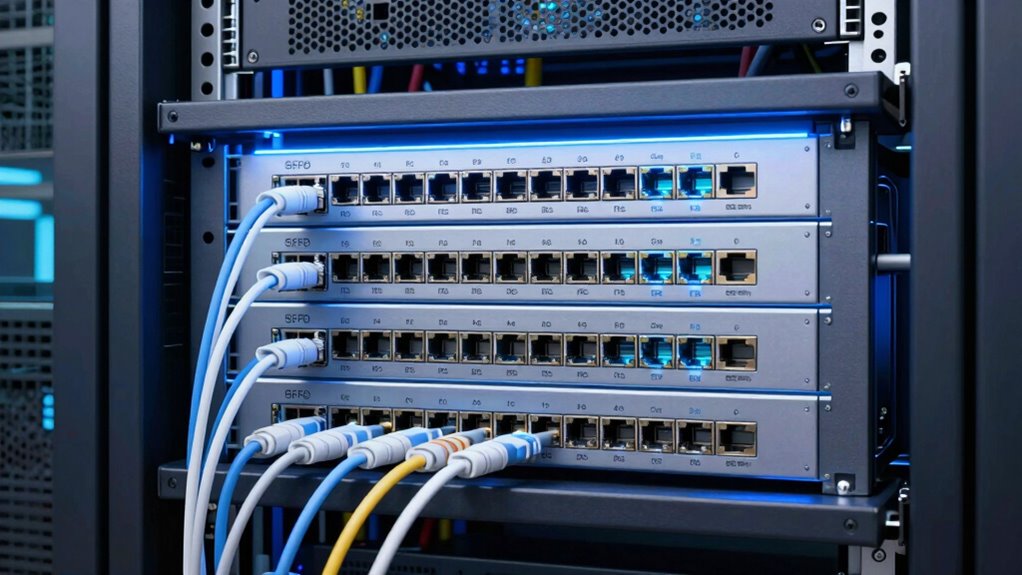

Choosing the right SFP plus switches for fiber uplinks can be a game-changer for growing networks, whether for enterprise, data centers, or advanced home setups. The best options offer high bandwidth, reliable management, and flexible port configurations. The QNAP QSW-L2110-2S8T-US stands out for its overall performance and versatility, while models like the MokerLink 8 Port 10Gbps SFP+ Switch deliver excellent value for budget-conscious buyers. However, tradeoffs include balancing cost versus advanced features like layer 3 management or PoE support. Continue reading for a detailed breakdown of the top picks and how they compare to help you make an informed decision.

Get business pricing on networking and server gear
- Business-only prices and quantity discounts
- Tax-exempt purchasing
- Multiple users, one account, clear invoices
Key Takeaways
- High bandwidth and multi-gig support are essential for future-proofing fiber uplinks.
- Layer 2 vs. Layer 3 management impacts scalability and routing capabilities.
- PoE support is a key feature for power-sensitive setups but may increase cost.
- Fanless designs provide quiet operation, ideal for office or home environments.
- The choice between unmanaged and managed switches hinges on network complexity and control needs.
| QNAP QSW-L2110-2S8T-US 10-Port Multi-Gigabit Network Switch |  | Best Overall for Quiet, High-Speed Fiber Uplinks | Ports: 8 x 2.5GbE RJ45, 2 x 10GbE SFP+ | Design: Fanless, compact desktop | Managed Features: VLAN, QoS, traffic management | VIEW ON AMAZON | See Our Full Breakdown |
| 8 Port 10Gb SFP+ Managed Network Switch for Home and Lab |  | Best for Versatile, High-Speed Flexible Fiber Connectivity | Number of Ports: 8 | Compatible Devices: Router | Interface: SFP+ | VIEW ON AMAZON | See Our Full Breakdown |
| TRENDnet 12-Port 10G Layer 2 Managed SFP+ Switch, TL2-F7120 |  | Best for Professional SMB Networks Requiring Advanced Traffic Management | Number of Ports: 12 x 10G SFP+ | Switching Capacity: 240Gbps | Device Interface: 12 x SFP+ ports, 1 x console | VIEW ON AMAZON | See Our Full Breakdown |
| NETGEAR GS316EPP 16-Port High-Power PoE+ Gigabit Ethernet Switch (231W) with SFP Port |  | Best for Powering Network Devices with Fiber Support | Number of Ports: 16 | PoE+ Power Budget: 231W | Gigabit Ethernet Ports: 15 | VIEW ON AMAZON | See Our Full Breakdown |
| MokerLink 8 Port 10Gbps SFP+ Switch |  | Best for High-Speed, Plug-and-Play Fiber Extensions | Number of Ports: 8 | Data Transfer Rate: 10 Gbps | Support Modules: Standard SFP optical modules (not included) | VIEW ON AMAZON | See Our Full Breakdown |
| MokerLink 8 Port 10G SFP+ Unmanaged Fiber Switch, 1G/10G SFP Slot, 160Gbps Bandwidth, Desktop/Rackmount Network Switch |  | Best Overall for High-Speed Fiber Uplinks | Number of Ports: 8 | Compatible Devices: Desktop, Laptop, Server | Data Transfer Rate: 160 gigabits_per_second | VIEW ON AMAZON | See Our Full Breakdown |
| MokerLink 8 Port 10G SFP+ Unmanaged Fiber Switch, 1G/10G SFP Slot, 160Gbps Bandwidth, Desktop/Rackmount Network Switch | | Best Overall for High-Speed Fiber Uplinks | Number of Ports: 8 | Compatible Devices: Desktop, Laptop, Server | Data Transfer Rate: 160 gigabits_per_second | VIEW ON AMAZON | See Our Full Breakdown |
| 8 Port 10Gb SFP+ Web Managed Fiber Switch, Multi-Gig 10G-2.5G Adaptive, Fanless, 160Gbps Bandwidth, VLAN, QoS, Compatible with Real HD 10G SFP+ Modules |  | Best for Managed Enterprise-Grade Fiber Uplinks | Number of Ports: 8 | Port Type: SFP+ | Bandwidth: 160Gbps | VIEW ON AMAZON | See Our Full Breakdown |
| 8 Port 10Gb SFP+ Web Managed Fiber Switch | Multi-Gig 10G-2.5G Adaptive | Fanless | 160G Bandwidth | VLAN/QoS |  | Best for Professional Network Upgrades | Number of Ports: 8 | Port Type: SFP+ | Bandwidth: 160Gbps | VIEW ON AMAZON | See Our Full Breakdown |
| SODOLA 8 Port 10Gb Switch, Layer 3 Managed, 8x10G SFP+ Ports |  | Best for Advanced Layer 3 Networking | Number of Ports: 8 | Port Type: 10Gb SFP+ | Layer: 3 Managed | VIEW ON AMAZON | See Our Full Breakdown |
| 8 Port 10Gbps SFP+ Managed Switch, Support 10G/2.5G/1G SFP Modules, 160Gbps Bandwidth, Desktop/Wallmount Metal Case, YuLinca Managed Fiber Switch |  | Best for Versatile, High-Speed Enterprise Deployments | Number of Ports: 8 | Port Speed: 10Gbps SFP+ | Bandwidth: 160Gbps | VIEW ON AMAZON | See Our Full Breakdown |
More Details on Our Top Picks
QNAP QSW-L2110-2S8T-US 10-Port Multi-Gigabit Network Switch
The QNAP QSW-L2110-2S8T-US stands out for its silent, fanless design combined with 10GbE fiber uplinks, making it ideal for noise-sensitive environments like home offices or creative studios. Unlike the TRENDnet TL2-F7120, which offers more advanced traffic management but requires more technical setup, this switch provides a straightforward, energy-efficient high-speed connection. It’s limited to Layer 2 features, so it may not suit users needing complex network segmentation or routing. The absence of PoE is a minor tradeoff considering its primary focus on high-speed fiber uplinks and quiet operation. This pick makes the most sense for small businesses or home labs prioritizing silent operation and fiber connectivity without advanced management complexity.Pros:- Silent, fanless operation ideal for noise-sensitive spaces
- Includes 2 x 10GbE SFP+ ports for high-speed uplinks
- Energy-efficient with automatic power adjustment
Cons:- Limited to Layer 2 management features, restricting advanced network control
- No PoE support, limiting device powering options
Best for: Small businesses or home labs needing silent, high-speed fiber uplinks in a compact, energy-efficient package
Not ideal for: Networks requiring PoE support or advanced Layer 3 management features
- Ports:8 x 2.5GbE RJ45, 2 x 10GbE SFP+
- Design:Fanless, compact desktop
- Managed Features:VLAN, QoS, traffic management
- Energy Efficiency:IEEE 802.3az (EEE) support
Our verdict“This switch suits those who need quiet, reliable fiber uplinks with simple management for small-scale deployments.”
8 Port 10Gb SFP+ Managed Network Switch for Home and Lab
This 8-port 10Gb SFP+ switch offers impressive flexibility with support for both fiber and copper modules, making it ideal for home labs or small business setups that require adaptable connectivity. Compared with the TRENDnet TL2-F7120, which offers more advanced traffic management, this switch provides a straightforward web interface for VLAN, QoS, and link aggregation, though it demands initial IPv4 configuration, which can be tricky for beginners. Its fanless, metal case ensures durability and silent operation, but full load operation can generate noticeable heat. This model is best suited for users who want a flexible, high-speed fiber switch with manageable complexity.Pros:- Supports high-speed 10Gb SFP+ connections with fiber and copper modules
- Web-managed interface allows configuration of VLAN, QoS, and link aggregation
- Fanless design ensures silent operation and durable metal housing
Cons:- Requires initial IPv4 setup, which may be complex for some users
- Default mode may not recognize 1G modules without mode switching
- Full load operation can produce noticeable heat
Best for: Home network enthusiasts or small business owners needing flexible fiber and copper connections with simple web management
Not ideal for: Users unfamiliar with network configuration or requiring PoE or advanced Layer 3 features
- Number of Ports:8
- Compatible Devices:Router
- Interface:SFP+
- Data Transfer Rate:10000 Mbps
- Switch Type:managed
- Power:12V, 18W
Our verdict“This switch offers flexible, high-speed fiber connectivity with straightforward management for tech-savvy home or small business users.”
TRENDnet 12-Port 10G Layer 2 Managed SFP+ Switch, TL2-F7120
The TRENDnet TL2-F7120 excels for SMB environments needing robust traffic control and high-speed uplinks, with 12 x 10G SFP+ ports and comprehensive features like VLAN, QoS, and IPv6. Its rack-mountable design and NDAA/TAA compliance make it suitable for more demanding, professional settings compared to the simpler QNAP switch. However, it demands a higher level of technical knowledge for setup, and optional mounting brackets are sold separately, which might inconvenience smaller networks. Compared to the NETGEAR GS316EPP, this switch offers more advanced management but at the cost of increased complexity. This switch makes sense for network administrators managing multiple high-speed fiber links in a professional or government environment.Pros:- High-density 12 x 10G SFP+ ports for extensive high-speed connectivity
- Advanced features including VLAN, QoS, IGMP snooping, and IPv6 support
- Rack-mountable with NDAA and TAA compliance for professional deployments
Cons:- Requires technical expertise for initial configuration
- Optional mounting brackets sold separately, adding inconvenience
- Designed for SMB use, may be overkill for very small setups
Best for: SMB and enterprise network managers needing advanced traffic control and high-capacity fiber uplinks
Not ideal for: Small home labs or users with limited networking experience who prefer plug-and-play solutions
- Number of Ports:12 x 10G SFP+
- Switching Capacity:240Gbps
- Device Interface:12 x SFP+ ports, 1 x console
- Rack Mountable:Yes
- Compliance:NDAA & TAA
- Protection:Lifetime manufacturer protection
Our verdict“Ideal for professional network environments demanding high-speed fiber links and comprehensive traffic management tools.”
NETGEAR GS316EPP 16-Port High-Power PoE+ Gigabit Ethernet Switch (231W) with SFP Port
While the NETGEAR GS316EPP primarily targets PoE deployments with 16 gigabit ports and a substantial 231W power budget, it includes a single SFP port for fiber uplinks, offering a different combination of features compared to dedicated fiber switches. It’s well-suited for powering IP cameras, VoIP phones, and wireless access points, but falls short on advanced network management. For fiber uplinks, it’s less flexible than dedicated SFP+ switches like the MokerLink or TRENDnet models. Compared to the MokerLink unmanaged switch, the GS316EPP offers PoE but lacks the same high-speed fiber options. This switch makes the most sense for small networks needing PoE and fiber uplinks without complex management.Pros:- High PoE+ power budget for multiple powered devices
- Includes an SFP port for fiber uplinks
- Flexible desktop or wall mounting options
Cons:- Limited management features — no VLAN or QoS controls
- Only one SFP port, restricting fiber uplink redundancy or capacity
- Designed primarily for PoE applications, less suited for pure high-speed fiber uplinks
Best for: Small office or retail environments requiring PoE power and fiber uplinks in a manageable, gigabit switch
Not ideal for: Networks needing high-capacity 10G fiber uplinks or advanced network management features
- Number of Ports:16
- PoE+ Power Budget:231W
- Gigabit Ethernet Ports:15
- SFP Port:1
- Mounting Options:Desktop and Wall Mountable
- Warranty:3 Years
Our verdict“This switch suits small networks needing PoE and basic fiber uplinks in a simple, flexible package.”
MokerLink 8 Port 10Gbps SFP+ Switch
The MokerLink 8 Port 10Gbps SFP+ Switch offers a straightforward, unmanaged design with support for 10G SFP+ modules, making it a reliable choice for long-distance fiber links. Its plug-and-play setup, combined with LED indicators, simplifies deployment compared to the more complex managed switches like TRENDnet’s TL2-F7120. However, its unmanaged nature limits configuration options, which might be a drawback for users needing VLAN or traffic prioritization. Without an included power supply detail, some buyers may be unsure about setup specifics. Compared to the NETGEAR GS316EPP, it provides higher dedicated fiber speed but lacks PoE. This device is best suited for users seeking simple, high-speed fiber extensions without management overhead.Pros:- Supports 10G SFP+ modules for ultra-fast fiber connections
- Unmanaged, plug-and-play operation simplifies deployment
- Fanless design ensures quiet, reliable operation
Cons:- No management features, limiting control over traffic and VLANs
- Requires separate purchase of SFP modules, increasing initial setup cost
- Limited to unmanaged operation, not suitable for complex networks
Best for: IT professionals or hobbyists needing quick, high-speed fiber links over long distances in a plug-and-play format
Not ideal for: Networks requiring VLAN, QoS, or other advanced network controls
- Number of Ports:8
- Data Transfer Rate:10 Gbps
- Support Modules:Standard SFP optical modules (not included)
- Bandwidth:160Gbps
- Case Material:Metal
- Switch Type:Unmanaged
Our verdict“This switch provides high-speed fiber connectivity with minimal fuss, perfect for straightforward fiber extension projects.”
MokerLink 8 Port 10G SFP+ Unmanaged Fiber Switch, 1G/10G SFP Slot, 160Gbps Bandwidth, Desktop/Rackmount Network Switch
This unmanaged switch stands out for offering high-speed 10G SFP+ ports with a simple plug-and-play setup, making it ideal for environments requiring reliable, fast fiber connections. Unlike the managed options, it lacks advanced features but excels in straightforward performance and durability, thanks to its metal case and support for long-distance transmission. It’s a clear choice for those who prioritize speed and ease of use over management capabilities, though users must purchase SFP modules separately. Compared to the 8 Port 10Gb SFP+ Managed Fiber Switch, this option is more accessible for smaller setups that don’t need extensive control but still demand high throughput. This pick makes the most sense for small businesses or high-performance home labs seeking simple, high-speed fiber uplinks without management complexity.
Pros:- High-speed 10G SFP+ ports for fast data transfer
- Plug-and-play setup simplifies deployment
- Durable metal case suitable for various environments
- Supports long-distance fiber transmission
Cons:- SFP modules are not included, adding extra cost
- Limited to unmanaged switch features, no advanced management
Best for: Small businesses or tech enthusiasts needing reliable, high-speed fiber uplinks with minimal configuration
Not ideal for: Large enterprise networks requiring detailed management and security features
- Number of Ports:8
- Compatible Devices:Desktop, Laptop, Server
- Data Transfer Rate:160 gigabits_per_second
- Switch Type:Unmanaged
- Interface:SFP+
- Case Material:Metal
Our verdict“This switch is ideal for users who need high-speed fiber uplinks with straightforward, unmanaged operation.”
MokerLink 8 Port 10G SFP+ Unmanaged Fiber Switch, 1G/10G SFP Slot, 160Gbps Bandwidth, Desktop/Rackmount Network Switch
This unmanaged switch stands out for offering high-speed 10G SFP+ ports with a simple plug-and-play setup, making it ideal for environments requiring reliable, fast fiber connections. Unlike the managed options, it lacks advanced features but excels in straightforward performance and durability, thanks to its metal case and support for long-distance transmission. It’s a clear choice for those who prioritize speed and ease of use over management capabilities, though users must purchase SFP modules separately. Compared to the 8 Port 10Gb SFP+ Managed Fiber Switch, this option is more accessible for smaller setups that don’t need extensive control but still demand high throughput. This pick makes the most sense for small businesses or high-performance home labs seeking simple, high-speed fiber uplinks without management complexity.
Pros:- High-speed 10G SFP+ ports for fast data transfer
- Plug-and-play setup simplifies deployment
- Durable metal case suitable for various environments
- Supports long-distance fiber transmission
Cons:- SFP modules are not included, adding extra cost
- Limited to unmanaged switch features, no advanced management
Best for: Small businesses or tech enthusiasts needing reliable, high-speed fiber uplinks with minimal configuration
Not ideal for: Large enterprise networks requiring detailed management and security features
- Number of Ports:8
- Compatible Devices:Desktop, Laptop, Server
- Data Transfer Rate:160 gigabits_per_second
- Switch Type:Unmanaged
- Interface:SFP+
- Case Material:Metal
Our verdict“This switch is ideal for users who need high-speed fiber uplinks with straightforward, unmanaged operation.”
8 Port 10Gb SFP+ Web Managed Fiber Switch, Multi-Gig 10G-2.5G Adaptive, Fanless, 160Gbps Bandwidth, VLAN, QoS, Compatible with Real HD 10G SFP+ Modules
This managed fiber switch offers extensive control with VLAN, QoS, and link aggregation, making it suitable for larger networks needing fine-tuned traffic management. Its fanless design supports silent operation in office environments, and the 160Gbps bandwidth ensures ample capacity for multiple high-speed connections. It’s compatible with Real HD 10G SFP+ modules, which guarantees reliability but adds to the cost. Compared with the SODOLA 8 Port 10Gb Switch, this model provides more advanced management features at the expense of requiring manual setup and configuration. It’s best suited for enterprise or advanced small business networks where control over traffic and security is paramount.
Pros:- Supports VLAN, QoS, Jumbo Frames, and link aggregation
- Fanless design for quiet operation
- Sturdy metal housing with lightning protection
- High 160Gbps switching capacity
Cons:- Requires manual configuration, less friendly for beginners
- Limited flexibility with only TP-Link modules
Best for: IT professionals managing enterprise or complex small business fiber networks
Not ideal for: Home users or small setups that don’t require management features or complex configuration
- Number of Ports:8
- Port Type:SFP+
- Bandwidth:160Gbps
- Management:Web Managed
- Compatible Modules:Real HD 10G SFP+
- Fanless:Yes
Our verdict“This switch provides high-performance management suitable for professional environments where traffic control matters most.”
8 Port 10Gb SFP+ Web Managed Fiber Switch | Multi-Gig 10G-2.5G Adaptive | Fanless | 160G Bandwidth | VLAN/QoS
Designed for professional environments, this switch combines 8 high-speed 10G SFP+ ports with advanced management features like VLAN and QoS. Its fanless, sturdy metal design ensures silent operation, ideal for office spaces or data centers. While it supports multi-gig 10G-2.5G adaptive speeds, setup isn’t as simple as plug-and-play, requiring some familiarity with network configuration. Compared with the 8 Port 10Gb SFP+ Web Managed Fiber Switch, it offers similar features but emphasizes multi-gig support, which can future-proof upgrades. This pick is better suited for users who need reliable, managed fiber connections in a professional setting but are comfortable with configuration complexities.
Pros:- Supports multi-gig speeds for future scalability
- VLAN and QoS support for detailed traffic management
- Fanless with durable metal housing
- Supports link aggregation for increased throughput
Cons:- Setup can be complex for users unfamiliar with network management
- Limited to TP-Link modules, restricting flexibility
Best for: Network administrators upgrading enterprise or high-performance small business networks
Not ideal for: Home users or those seeking a simple, unmanaged switch
- Number of Ports:8
- Port Type:SFP+
- Bandwidth:160Gbps
- Management:Web Managed
- Multi-Gig Support:Yes
- Fanless:Yes
Our verdict“Ideal for professionals seeking a managed, multi-gig fiber switch capable of handling demanding network environments.”
SODOLA 8 Port 10Gb Switch, Layer 3 Managed, 8x10G SFP+ Ports
This Layer 3 managed switch offers advanced routing and management features, making it suitable for complex networks requiring flexible control over data paths. Its fanless design ensures silent operation, while its metal case adds durability. The switch supports SFP+ modules but requires users to purchase compatible modules separately, which might complicate deployment for beginners. Compared with the 8 Port 10Gb SFP+ Web Managed Fiber Switch, it provides more routing options but demands a higher level of network expertise. This device makes the most sense for network engineers or organizations needing dedicated routing capabilities alongside fiber uplinks.
Pros:- Layer 3 management for advanced routing
- High-speed 10GbE SFP+ ports
- Fanless, durable metal design
- Supports flexible web and console management
Cons:- Requires separate SFP+ modules for operation
- Configuration complexity may be daunting for novices
Best for: IT professionals managing sophisticated, layered network environments
Not ideal for: Small offices or home setups without layered network requirements
- Number of Ports:8
- Port Type:10Gb SFP+
- Layer:3 Managed
- Management:Web and Console
- Material:Metal
- Fanless:Yes
Our verdict“This switch is best suited for advanced network setups where routing flexibility and fiber uplinks are needed.”
8 Port 10Gbps SFP+ Managed Switch, Support 10G/2.5G/1G SFP Modules, 160Gbps Bandwidth, Desktop/Wallmount Metal Case, YuLinca Managed Fiber Switch
This switch stands out for its support of flexible 10Gbps SFP+ modules alongside lower-speed options, making it ideal for networks that require future-proofing or mixed-speed environments. Unlike the QNAP QSW-L2110-2S8T-US, which offers multi-gigabit ports but lacks dedicated fiber uplinks, this model provides dedicated 10Gbps SFP+ uplinks with a robust management interface. Its web-based setup simplifies configuration, but it demands some technical skill, especially since no accessories are included. The durable metal case supports versatile deployment, whether on a desk or wall, making it suitable for small to medium-sized enterprise or lab setups that need reliable, high-bandwidth fiber uplinks. The main tradeoff is the absence of included SFP modules and power supply, which could add to initial costs.
Pros:- Supports high-speed 10Gbps SFP+ modules with flexible multi-speed operation
- Web-based management interface simplifies setup and configuration
- Robust metal case suitable for desktop or wallmount installation
- High bandwidth capacity (160Gbps) for stable data transfer
Cons:- SFP modules are not included, adding to upfront cost
- Requires technical knowledge for advanced setup and management
- No included power supply or accessories, which could complicate initial deployment
Best for: IT professionals deploying flexible, high-speed fiber networks in small to medium enterprise environments.
Not ideal for: Home users or small office setups seeking plug-and-play solutions with included accessories and minimal configuration.
- Number of Ports:8
- Port Speed:10Gbps SFP+
- Bandwidth:160Gbps
- Supported Modules:10G/2.5G/1G SFP
- Form Factor:Desktop/Wallmount
- Material:Metal
- Features:Web management, VLAN, QoS, Link Aggregation, Spanning Tree, SNMP
Our verdict“This switch is best suited for network administrators needing flexible, high-capacity fiber uplinks in professional environments willing to handle some initial configuration complexity.”

How We Picked
I evaluated these switches based on performance, build quality, and feature set, prioritizing devices that excel in fiber uplink support with SFP+ ports. Reliability, ease of use, and future scalability also played a role, especially for network administrators and advanced users. Cost-effectiveness was considered alongside advanced features like VLAN, QoS, and layer 3 routing options. Devices were ranked by their overall value, compatibility with high-speed fiber modules, and suitability for different use cases—from simple home labs to enterprise deployments.Factors to Consider When Choosing Sfp Plus Switches For Fiber Uplinks
When choosing an SFP plus switch for fiber uplinks, understanding key factors ensures you pick the right model for your needs. Beyond basic port counts, consider performance, management features, and future scalability. Addressing these details prevents common pitfalls like underestimating bandwidth requirements or buying switches that lack necessary management capabilities. The right switch balances your current demands with potential growth, avoiding costly upgrades down the line.Port Count and Speed Support
Assess your network’s current and future bandwidth needs by examining the number and type of ports. Multi-gig SFP+ ports support 10Gbps speeds essential for high-bandwidth fiber uplinks, but ensure the switch has enough ports for expansion. Overestimating needs can lead to unnecessary costs, while underestimating may bottleneck your network. Think about your growth plans and whether the switch supports 10G or even 25G in the future, especially for data-intensive applications.
Management Capabilities
Decide between unmanaged, Web-managed, or Layer 3 switches based on your network complexity. Managed switches provide features like VLAN, QoS, and traffic monitoring, which are vital for enterprise or extensive home networks. However, they come with increased costs and setup complexity. Unmanaged models are simple but limited in control, making them suitable for small, static environments. Layer 3 switches support routing functions, ideal for larger or segmented networks but require more technical expertise.
Build Quality and Cooling
Durability and noise levels matter, especially in office or home setups. Fanless designs reduce noise and are more suitable for quiet environments, but they may run hotter under heavy loads. Metal chassis typically offer better heat dissipation and longevity. Consider your environment—if it’s a busy data center, cooling and build quality become critical to maintain reliability over time.
Power and Compatibility
Power options, including PoE support, can simplify cabling by powering connected devices directly through the switch. However, PoE models tend to be pricier and consume more power, so evaluate whether you need to power devices like IP cameras or access points. Compatibility with various SFP modules is also essential; ensure the switch supports the fiber modules you plan to use, whether single-mode or multi-mode, to avoid connectivity issues.
Value and Total Cost of Ownership
Beyond initial price, consider features that reduce ongoing costs, such as energy-efficient designs or ease of maintenance. Managed switches with remote access and troubleshooting can save time and money over the long run. Balance your budget with the features you need—over-investing in unnecessary capabilities can inflate costs, while under-investing might limit your network’s growth or performance.
Frequently Asked Questions
Can I use a standard SFP module in any SFP+ switch?
While many SFP+ switches support standard SFP modules, compatibility depends on the switch’s specifications and firmware. Some switches require specific or certified modules to function correctly, especially for higher speeds or special features. Always check the manufacturer’s compatibility list before purchasing SFP modules to ensure seamless operation and avoid potential issues with connectivity or performance.
Is managed switching necessary for small home networks?
For most home networks, unmanaged switches are sufficient and easier to set up. Managed switches offer advanced features like VLANs, QoS, and traffic monitoring, which are more relevant in larger or more complex environments. If you anticipate expanding your network or require specific traffic controls, investing in a managed switch could be beneficial, but for basic fiber uplinks in a small setup, unmanaged models typically suffice.
How do I choose between 10G and 25G fiber uplinks?
10G fiber uplinks are common and widely supported by SFP+ switches, making them suitable for most high-speed needs. 25G support is less common and typically found in enterprise-grade switches, offering higher bandwidth at a higher cost. Consider your current bandwidth requirements and future growth—if you expect significant data loads or large-scale data center use, investing in 25G might be worthwhile, but for most users, 10G provides ample performance.
Are fanless switches reliable for high-traffic environments?
Fanless switches are generally reliable in low to moderate traffic environments where heat dissipation is manageable. They operate quietly, making them ideal for office or home use. However, in high-traffic or densely packed data centers, active cooling with fans can prevent overheating and maintain optimal performance. Always check thermal management specifications if your environment involves sustained high loads.
What is the importance of bandwidth in SFP+ switches?
Bandwidth determines how much data your switch can handle simultaneously without bottlenecks. For fiber uplinks, higher bandwidth means better support for data-intensive tasks, such as video streaming, large file transfers, or enterprise workloads. Choosing a switch with sufficient bandwidth ensures your network remains responsive and scalable, especially as your fiber connections grow in speed and number.
Conclusion
For users seeking the best all-around performance and future-proofing, the QNAP QSW-L2110-2S8T-US stands out as the top choice, thanks to its versatile features and robust build. Budget-conscious buyers or small setups will find excellent value in models like the MokerLink 8 Port 10Gbps SFP+ Switch, which delivers high speed at a lower price point. For enterprise or advanced users, options like the SODOLA 8 Port 10Gb Switch with layer 3 management provide extensive control and scalability. Beginners or those with simple needs should opt for unmanaged, plug-and-play models, while power users prioritizing high bandwidth and management features should look at higher-end, managed switches with PoE support. Your choice depends on current needs, future plans, and technical comfort level, but this roundup provides a clear starting point for every profile.
As an affiliate, we earn on qualifying purchases.Fall Picks
fall essentials