As WiFi 7 becomes the latest standard in wireless networking, choosing the right router can significantly improve your home or gaming setup. The best WiFi 7 routers deliver faster speeds, lower latency, and better device handling—especially for demanding applications like gaming, 4K streaming, and smart home integration. The challenge lies in balancing performance with coverage, features, and price. The top models vary from high-end gaming routers to versatile mesh systems, each with tradeoffs. Continue reading for a detailed comparison to find the perfect WiFi 7 router for your needs.

Get business pricing on networking and server gear
- Business-only prices and quantity discounts
- Tax-exempt purchasing
- Multiple users, one account, clear invoices
Key Takeaways
- The top-ranked routers balance raw speed with stable coverage over large areas.
- Gaming and streaming demand prioritization of low latency and multiple streams.
- Mesh systems excel in whole-home coverage but may sacrifice some speed for range.
- Premium models often include advanced features like VPN support and extensive customization.
- Value options focus on core performance, but may lack some advanced features of higher-end models.
| ASUS ROG Rapture GT-BE98 Pro WiFi 7 Quad-Band Gaming Router |  | Best Overall for High-End Gaming and Ultra-Fast Speeds | WiFi Standard: WiFi 7 (802.11be) | Bands: Quad-Band (dual 6 GHz) | Max Speed: 30 Gbps | VIEW ON AMAZON | See Our Full Breakdown |
| TP-Link Dual-Band Wi-Fi 7 Router, Archer BE3600 |  | Best Value for Fast, Whole-Home WiFi Coverage | Wi-Fi Technology: Wi-Fi 7 | Speed (5 GHz): 2882 Mbps | Speed (2.4 GHz): 688 Mbps | VIEW ON AMAZON | See Our Full Breakdown |
| NETGEAR Nighthawk RS700S WiFi 7 Router (Up to 3,500 sq ft, 19 Gbps) | 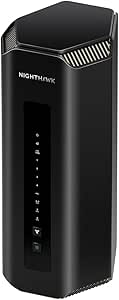 | Best for Large Homes with High-Speed, Multi-Device Support | WiFi Standard: WiFi 7 | Max Speed: 19 Gbps | Bands: Tri-band (2.4 GHz, 5 GHz, 6 GHz) | VIEW ON AMAZON | See Our Full Breakdown |
| ASUS RT-BE82U WiFi 7 Router – Dual-Band, 6.5 Gbps, Mesh + VPN Compatible |  | Best for Speed and Security in Advanced Home Networks | WiFi Standard: Wi-Fi 7 (802.11be) | Speed: 6500 Mbps | Bands: Dual-Band | VIEW ON AMAZON | See Our Full Breakdown |
| TP-Link Archer BE550 Tri-Band BE9300 WiFi 7 Router |  | Best for Balanced Speed and Whole-Home Coverage | WiFi Standard: Wi-Fi 7 (802.11be) | Max Speed: 9.2 Gbps | Bands: Tri-Band | VIEW ON AMAZON | See Our Full Breakdown |
| NETGEAR Nighthawk WiFi 7 Router, Up to 2,500 sq ft, 9.3 Gbps |  | Best Overall for Large Homes and High Device Capacity | WiFi Speed: up to 9.3 Gbps | Coverage: 2,500 sq ft | Bands: Tri-band (2.4 GHz, 5 GHz, 6 GHz) | VIEW ON AMAZON | See Our Full Breakdown |
| ASUS RT-BE55 Dual-Band WiFi 7 Router |  | Best for Budget-Conscious Users Wanting Solid WiFi 7 Performance | WiFi Standard: WiFi 7 (802.11be) | Bands: Dual-band | Max Speed: 3600 Mbps | VIEW ON AMAZON | See Our Full Breakdown |
| TP-Link Tri-Band WiFi 7 Router (Archer BE800) |  | Best for Power Users Needing Extreme Speed and Versatile Wired Options | Wi-Fi Technology: Wi-Fi 7 | Maximum Speed: 19,000 Mbps | Bands: Tri-band (6 GHz, 5 GHz, 2.4 GHz) | VIEW ON AMAZON | See Our Full Breakdown |
| GL.iNet GL-BE9300 Flint 3 Tri-Band Wi-Fi 7 Router |  | Best for Compact, High-Performance Dense Environment Coverage | Wireless Standard: Wi-Fi 7 | Maximum Speed: 12.5 Gbps | Coverage Area: 2000 sq ft | VIEW ON AMAZON | See Our Full Breakdown |
| TP-Link Deco 7 Dual-Band BE5000 WiFi 7 Mesh Wi-Fi System |  | Best for Whole-Home Coverage and Easy Management | WiFi Standard: WiFi 7 (BE5000) | Bands: Dual-Band | Max Speed: 4324 Mbps | VIEW ON AMAZON | See Our Full Breakdown |
| TP-Link Tri-Band WiFi 7 Router (Archer BE600) |  | Best for High-Speed Home Coverage and Advanced Security | WiFi Bands: Tri-Band (6GHz, 5GHz, 2.4GHz) | Total Bandwidth: 9.7 Gbps | Coverage: Up to 2,600 sq. ft. | VIEW ON AMAZON | See Our Full Breakdown |
| wifi 7 router | Bands | Security | WiFi Standard | Coverage |
|---|---|---|---|---|
| ASUS ROG Rapture GT-BE98 Pro W | Quad-Band (dual 6 GHz) | WPA2-Enterprise, WPA3-Personal, WPS | WiFi 7 (802.11be) | — |
| TP-Link Dual-Band Wi-Fi 7 Rout | — | TP-Link HomeShield | — | Up to 2,000 sq. ft. |
| NETGEAR Nighthawk RS700S WiFi | Tri-band (2.4 GHz, 5 GHz, 6 GHz) | — | WiFi 7 | Up to 3,500 sq. ft. |
| ASUS RT-BE82U WiFi 7 Router | Dual-Band | AiProtection Pro, Trend Micro | Wi-Fi 7 (802.11be) | — |
| TP-Link Archer BE550 Tri-Band | Tri-Band | HomeShield | Wi-Fi 7 (802.11be) | — |
| NETGEAR Nighthawk WiFi 7 Route | Tri-band (2.4 GHz, 5 GHz, 6 GHz) | — | — | 2,500 sq ft |
| ASUS RT-BE55 Dual-Band WiFi 7 | Dual-band | AiProtection, VPN support | WiFi 7 (802.11be) | 2,000 sq ft |
| TP-Link Tri-Band WiFi 7 Router | Tri-band (6 GHz, 5 GHz, 2.4 GHz) | TP-Link HomeShield, WPA3 | — | — |
| GL.iNet GL-BE9300 Flint 3 Tri- | — | — | — | — |
| TP-Link Deco 7 Dual-Band BE500 | Dual-Band | — | WiFi 7 (BE5000) | Up to 6,600 sq ft |
| TP-Link Tri-Band WiFi 7 Router | — | TP-Link HomeShield | — | Up to 2,600 sq. ft. |
More Details on Our Top Picks
ASUS ROG Rapture GT-BE98 Pro WiFi 7 Quad-Band Gaming Router
This flagship model stands out for its impressive 30 Gbps speeds and quad-band setup, making it ideal for gamers and power users seeking the fastest possible WiFi 7 connection. Compared to the NETGEAR RS700S, which offers slightly lower speeds but broader coverage for large homes, the ASUS ROG Rapture prioritizes ultra-fast gaming traffic through its Triple-Level Game Acceleration and Multi-link Operation. Its extensive wired ports, including dual 10G and quad 2.5G, support demanding wired devices, but this also means a high price tag and complex setup. The dual 6 GHz bands enhance stability for multiple devices, yet actual throughput depends heavily on environment and device compatibility. This router makes the most sense for dedicated gamers or tech enthusiasts willing to invest in top-tier performance, with the tradeoff of premium cost and setup complexity.
Pros:- Ultra-fast WiFi 7 speeds up to 30 Gbps
- Extensive wired connectivity with dual 10G and quad 2.5G ports
- Multi-link Operation and dual antennas for stable, strong coverage
- Triple-Level Game Acceleration prioritizes gaming traffic
Cons:- Premium price point may be prohibitive for many
- Performance varies with environment and device compatibility
Best for: Hardcore gamers and tech enthusiasts seeking maximum speed and advanced features.
Not ideal for: Casual users or small households with modest internet needs and limited budget.
- WiFi Standard:WiFi 7 (802.11be)
- Bands:Quad-Band (dual 6 GHz)
- Max Speed:30 Gbps
- Ports:7 (2x 10G, 4x 2.5G)
- Security:WPA2-Enterprise, WPA3-Personal, WPS
- Special Features:Access Point Mode, Guest Mode, Internet Security, Parental Control, QoS, AiMesh
Our verdict“This is ideal for high-end gamers and power users who prioritize speed and advanced features over cost and simplicity.”
TP-Link Dual-Band Wi-Fi 7 Router, Archer BE3600
The TP-Link Archer BE3600 offers a compelling balance of speed and coverage, making it a strong choice for users who want reliable WiFi 7 without the complexity or cost of tri-band setups like the NETGEAR RS700S. While it does not support the 6 GHz band—limiting maximum throughput compared to tri-band models—it excels in providing fast speeds (up to 2882 Mbps on 5 GHz) across a broad area, up to 2,000 sq. ft. with beamforming antennas. Its simple setup via the Tether app and support for mesh networking make it accessible for most users, but those needing extensive device support or higher speeds might find it limiting. It’s best suited for medium-sized homes with many devices, but not for those seeking the absolute highest speeds or multi-band flexibility.
Pros:- High-speed WiFi 7 technology for fast internet performance
- Coverage up to 2,000 sq. ft. suitable for most homes
- Easy setup and management with Tether app
- Supports seamless mesh for whole-home coverage
Cons:- Lacks support for the 6 GHz band
- Requires separate modem for internet connection
- Performance may vary with obstacles or interference
Best for: Families or small offices needing fast, reliable WiFi over a large area without complex setup.
Not ideal for: Heavy streamers or gamers who require 6 GHz bandwidth for ultra-low latency and maximum throughput.
- Wi-Fi Technology:Wi-Fi 7
- Speed (5 GHz):2882 Mbps
- Speed (2.4 GHz):688 Mbps
- Coverage:Up to 2,000 sq. ft.
- Antennas:4 internal beamforming antennas
- Security:TP-Link HomeShield
Our verdict“This router offers excellent value for users who want fast WiFi over a broad area without the complexity of tri-band setups.”
NETGEAR Nighthawk RS700S WiFi 7 Router (Up to 3,500 sq ft, 19 Gbps)
The NETGEAR Nighthawk RS700S strikes a balance between high speeds and expansive coverage, making it suitable for large households or small offices. Its tri-band setup, delivering up to 19 Gbps, supports up to 200 devices across 3,500 sq. ft., outperforming many dual-band options like the Archer BE3600 in coverage and device capacity. The inclusion of a 10 Gig WAN port and multiple LAN ports prepares it for fiber plans with high-speed connections, but the reliance on a paid subscription after the initial NETGEAR Armor trial can be a turnoff. Walls and interference might still impact range, especially in very large or obstructed spaces, and it could be overkill for smaller setups. Still, it’s a versatile choice for those needing speed and coverage combined.
Pros:- WiFi 7 speeds up to 19 Gbps
- Large coverage up to 3,500 sq. ft.
- Supports 200 devices with 12 streams
- 10 Gig WAN port for premium fiber plans
Cons:- NETGEAR Armor requires a paid subscription
- Range can be affected by walls and interference
- Large homes may need additional mesh units
Best for: Large households or small offices with many devices and high-speed internet needs.
Not ideal for: Small apartments or users on a tight budget who don’t require extensive coverage or multiple high-speed ports.
- WiFi Standard:WiFi 7
- Max Speed:19 Gbps
- Bands:Tri-band (2.4 GHz, 5 GHz, 6 GHz)
- Coverage:Up to 3,500 sq. ft.
- Streams:12
- Ports:1x 10 Gig, 4x 1 Gig Ethernet
Our verdict“This router offers a powerful combination of speed and coverage ideal for large homes with many devices, despite some ongoing subscription costs.”
ASUS RT-BE82U WiFi 7 Router – Dual-Band, 6.5 Gbps, Mesh + VPN Compatible
The ASUS RT-BE82U stands out for its ultrafast dual-band speeds of up to 6.5 Gbps and extendable AiMesh support, making it a compelling choice for users who want fast, secure, and expandable WiFi. Its five 2.5GbE ports provide high-performance wired connections, ideal for gaming PCs and smart hubs, while the support for VPN and advanced security features like AiProtection Pro offers peace of mind. However, its setup might challenge less experienced users, and the higher price may not appeal to budget-conscious buyers. It’s best for those who need a reliable, fast connection with room to grow, but not for those who require tri-band or the absolute maximum throughput possible with WiFi 7.
Pros:- Speeds up to 6.5 Gbps
- Five 2.5GbE ports for high-performance wired connections
- Extendable AiMesh for whole-home coverage
- Advanced security features like AiProtection Pro
Cons:- Setup complexity for less experienced users
- Premium features come at a higher cost
- Requires compatible devices to utilize WiFi 7 speeds
Best for: Home users seeking fast speeds with strong security and expandable mesh capabilities.
Not ideal for: Beginners or users with simple internet needs who don’t require VPN or multiple wired connections.
- WiFi Standard:Wi-Fi 7 (802.11be)
- Speed:6500 Mbps
- Bands:Dual-Band
- Ethernet Ports:5 x 2.5GbE
- Mesh Compatibility:AiMesh
- Security:AiProtection Pro, Trend Micro
Our verdict“This router is well-suited for users wanting fast, secure, and expandable WiFi, especially those comfortable with advanced setup.”
TP-Link Archer BE550 Tri-Band BE9300 WiFi 7 Router
The TP-Link Archer BE550 offers a strong combination of tri-band WiFi 7 speeds up to 9.2 Gbps, making it suitable for demanding households. Its three bands—up to 5760 Mbps on 6 GHz, 2880 Mbps on 5 GHz, and 574 Mbps on 2.4 GHz—provide balanced performance for multiple devices and activities. Six external antennas with Beamforming enhance coverage and stability, while support for EasyMesh allows expansion to larger homes. The inclusion of HomeShield adds security, parental controls, and IoT protection, making it a versatile choice. However, this router requires a compatible modem and the actual speeds can depend heavily on ISP plans and network environment. It’s a smart pick for users wanting good speeds with broad coverage, but not necessarily the highest possible throughput or ultra-low latency for gaming.
Pros:- Tri-band speeds up to 9.2 Gbps
- Six external antennas for broad coverage
- Supports EasyMesh for expansion
- Comprehensive security via HomeShield
Cons:- Requires compatible modem
- Actual speeds depend on ISP and setup
- Potential overkill for small apartments
Best for: Large households or small offices needing balanced speeds and expandable coverage.
Not ideal for: Users seeking the absolute fastest speeds for gaming or streaming in a single room.
- WiFi Standard:Wi-Fi 7 (802.11be)
- Max Speed:9.2 Gbps
- Bands:Tri-Band
- Speed on 6 GHz:5760 Mbps
- Antennas:6 external high-performance
- Security:HomeShield
Our verdict“Ideal for households looking for a balanced, expandable WiFi 7 solution with strong security features.”
NETGEAR Nighthawk WiFi 7 Router, Up to 2,500 sq ft, 9.3 Gbps
This router stands out for its combination of high speeds up to 9.3 Gbps and wide coverage of 2,500 sq ft, making it ideal for large households with many connected devices. Compared with the TP-Link Archer BE800, it offers comparable tri-band performance but supports more devices simultaneously, which is key for busy households. Its multi-gig wired ports complement the wireless speed, but it requires a separate modem, and some features like NETGEAR Armor depend on subscription plans. The quad-core processor ensures smooth operation under load, though actual performance can vary based on home layout and interference.
Pros:- High-speed tri-band WiFi 7 with speeds up to 9.3 Gbps
- Coverage area suitable for large homes
- Supports up to 100 devices simultaneously
- Includes multi-gig wired ports for fast internet plans
Cons:- Requires a separate modem or gateway for internet connection
- Features like NETGEAR Armor require a subscription after free trial
- Performance can vary depending on home environment
Best for: Large families or homes with extensive smart device setups needing reliable, high-speed coverage.
Not ideal for: Small apartments or users with simple internet needs, as the extensive coverage and device capacity may be unnecessary and more expensive than needed.
- WiFi Speed:up to 9.3 Gbps
- Coverage:2,500 sq ft
- Bands:Tri-band (2.4 GHz, 5 GHz, 6 GHz)
- Ports:1x 2.5 Gig WAN, 2x 2.5 Gig LAN, 2x 1 Gig LAN, 1x USB 3.0
- Device Capacity:Up to 100 devices
- Processor:Quad-core 2.0 GHz
Our verdict“This router is best suited for large households demanding high-speed, reliable coverage over extensive areas.”
ASUS RT-BE55 Dual-Band WiFi 7 Router
This model offers solid WiFi 7 speeds up to 3.6 Gbps and features AI-powered Smart AiMesh for whole-home coverage up to 2,000 sq ft. Compared with the TP-Link BE800, it provides a more affordable dual-band alternative, but it lacks the additional 6 GHz band, which can limit performance in high-density environments or for bandwidth-intensive tasks. Its security features, including AiProtection and VPN support, add value for users prioritizing security, but the absence of tri-band limits future-proofing and maximum throughput in busy networks. Its build and features make it suitable for users with smaller homes or less demanding setups.
Pros:- Fast WiFi 7 speeds up to 3.6 Gbps with MLO and 4K-QAM
- Mesh expandability with Smart AiMesh for better coverage
- Strong security features including AiProtection and VPN support
- Affordable dual-band option for budget-conscious buyers
Cons:- Limited to dual-band, missing 6 GHz band for maximum performance
- Coverage limited to around 2,000 sq ft, less suitable for larger homes
- Lacks some advanced features found in tri-band models
Best for: Small households or tech-savvy beginners seeking reliable WiFi 7 performance at a lower cost.
Not ideal for: Large households or heavy streamers who need extensive bandwidth and multiple bands for seamless multi-device use.
- WiFi Standard:WiFi 7 (802.11be)
- Bands:Dual-band
- Max Speed:3600 Mbps
- Coverage:2,000 sq ft
- Ethernet WAN:1x 2.5G port
- Security:AiProtection, VPN support
Our verdict“This router is ideal for smaller homes or users new to WiFi 7 who prioritize security and ease of use without the need for extensive coverage.”
TP-Link Tri-Band WiFi 7 Router (Archer BE800)
The Archer BE800 excels with speeds up to 19 Gbps across three bands, making it a top choice for demanding applications like 4K/8K streaming and gaming. Its multiple 10G ports and USB 3.0 support offer flexibility for wired connections, surpassing many competitors like the GL.iNet Flint in wired versatility. Compared to other tri-band routers, it caters to tech enthusiasts who need maximum throughput and extensive wired options but comes at a premium cost and may be complex for less experienced users. Setup is straightforward via the Tether app, but the advanced features may require subscriptions, and a compatible modem is necessary.
Pros:- Supports up to 19 Gbps total bandwidth across three bands
- Multiple 10G WAN/LAN ports and USB 3.0 for wired devices
- Mesh compatibility for seamless coverage
- Easy setup with mobile app
Cons:- High price point compared to simpler routers
- Requires compatible modem for internet service
- Complex setup for users unfamiliar with advanced networking
Best for: Power users and gamers who require ultra-fast speeds, multiple wired connections, and extensive customization.
Not ideal for: Casual users or households with simpler needs, as its complexity and cost are overkill for basic internet use.
- Wi-Fi Technology:Wi-Fi 7
- Maximum Speed:19,000 Mbps
- Bands:Tri-band (6 GHz, 5 GHz, 2.4 GHz)
- Ports:Two 10G WAN/LAN, four 2.5G ports, USB 3.0
- Antennas:8 antennas
- Security:TP-Link HomeShield, WPA3
Our verdict“This router is best suited for tech enthusiasts or households with demanding high-speed wired and wireless needs.”
GL.iNet GL-BE9300 Flint 3 Tri-Band Wi-Fi 7 Router
The GL.iNet Flint 3 offers speeds up to 9 Gbps and coverage of 2,000 sq ft, focusing on dense environments with many devices. Its support for over a hundred devices and advanced security features make it suitable for apartment buildings or small offices. Unlike the TP-Link BE800, it runs on Linux, providing more customization options for tech-savvy users. The setup may be complex for non-technical users, and firmware updates are vital for optimal security and performance. While not as fast as the Archer BE800, it balances speed and coverage in a compact form, ideal for those needing dense environment support without extensive wired options.
Pros:- Supports Wi-Fi 7 with speeds up to 9 Gbps
- Extensive device support for dense environments
- Advanced security and parental controls
- Customizable firmware via Linux
Cons:- Setup can be complex for non-technical users
- Firmware updates needed for security and performance
- Coverage limited to around 2,000 sq ft
Best for: Tech-savvy users in apartments or small offices needing reliable dense environment coverage.
Not ideal for: Users seeking simple plug-and-play solutions or larger homes requiring extensive coverage.
- Wireless Standard:Wi-Fi 7
- Maximum Speed:12.5 Gbps
- Coverage Area:2000 sq ft
- Number of Ports:5
- Antenna Count:4
- Security Protocols:WPA2-PSK, WPA3, WPA2-Enterprise
Our verdict“This router is ideal for tech-savvy individuals needing dense device support in compact spaces with flexible customization.”
TP-Link Deco 7 Dual-Band BE5000 WiFi 7 Mesh Wi-Fi System
The Deco 7 system offers dual-band WiFi 7 speeds up to 4.324 Gbps on 5 GHz, covering up to 6,600 sq ft, making it ideal for large homes. Its mesh architecture supports over 150 devices, and setup is straightforward via the Deco app, which simplifies management. Compared with the Archer BE800, it sacrifices some speed for broader coverage and easier scalability across multiple units. The system’s reliance on Deco-specific units limits flexibility, and a separate modem is needed for most internet providers. Its built-in security features, including HomeShield and VPN support, make it suitable for users prioritizing security and seamless roaming.
Pros:- Fast WiFi 7 speeds supporting streaming and gaming
- Coverage up to 6,600 sq ft for large homes
- Easy setup and management via Deco app
- Built-in security with HomeShield and VPN support
Cons:- Requires multiple Deco units for full mesh coverage
- Dependent on Deco ecosystem, limiting flexibility
- Requires a separate modem for most ISPs
Best for: Large households needing extensive coverage with simple setup and management.
Not ideal for: Small apartments or users requiring ultra-high-speed wired connections or advanced customization.
- WiFi Standard:WiFi 7 (BE5000)
- Bands:Dual-Band
- Max Speed:4324 Mbps
- Coverage:Up to 6,600 sq ft
- Device Capacity:150+ devices
- Ethernet:2.5G Ethernet backhaul
Our verdict“This mesh system makes the most sense for large homes seeking simple, reliable WiFi 7 coverage over extensive areas.”
TP-Link Tri-Band WiFi 7 Router (Archer BE600)
The TP-Link Archer BE600 stands out for delivering impressive WiFi 7 speeds up to 9.7 Gbps across three bands, making it a strong choice for households with multiple high-bandwidth devices. Its tri-band setup (6GHz, 5GHz, 2.4GHz) ensures less congestion and more reliable connections, especially compared to dual-band options like the ASUS RT-BE82U, which may struggle under heavy loads. The inclusion of multi-gigabit ports, including a 10 Gbps WAN/LAN, provides future-proof wired connectivity for demanding setups. Easy management via the Tether app simplifies setup and network control, while advanced security features with TP-Link HomeShield help protect your smart home ecosystem. However, the router’s feature set can be overwhelming for casual users who just want straightforward internet access, and its size might be impractical for tight spaces. Additionally, the premium price tag could be a barrier for budget-conscious buyers.
Pros:- Supports WiFi 7 for high speeds and low latency
- Extensive coverage up to 2,600 sq. ft. suitable for large homes
- Multiple multi-gigabit ports for fast wired connections
- User-friendly management via the Tether app
Cons:- Complex feature set may overwhelm non-technical users
- Large physical size requires ample space
- Higher price point compared to dual-band or less advanced models
Best for: Homes with multiple high-bandwidth devices, gamers, and users prioritizing security and coverage
Not ideal for: Casual users seeking simple WiFi setup or those with limited space for large routers
- WiFi Bands:Tri-Band (6GHz, 5GHz, 2.4GHz)
- Total Bandwidth:9.7 Gbps
- Coverage:Up to 2,600 sq. ft.
- Ports:1x 10 Gbps WAN/LAN, 1x 2.5 Gbps WAN/LAN, 3x 2.5 Gbps LAN, USB 3.0
- Security:TP-Link HomeShield
- Processor:Quad-core CPU
- Dimensions:11.29 x 6.02 x 1.87 inches
Our verdict“This router is ideal for users seeking high-speed, extensive coverage with advanced security, willing to handle its complexity and premium cost.”

How We Picked
Our evaluation focused on a combination of performance, range, usability, and feature set. We prioritized routers that support WiFi 7’s full capabilities, including multi-band support and high throughput. Build quality and ease of setup also played a role, as well as the ability to handle multiple high-demand devices simultaneously. We compared real-world specifications and considered how each model balances speed, coverage, and price. The rankings reflect a mix of top-tier performance and value for different buyer profiles, with an emphasis on practical everyday use cases rather than niche features.| wifi 7 router | WiFi Standard | Bands | Security |
|---|---|---|---|
| ASUS ROG Rapture GT-BE98 Pro W | WiFi 7 (802.11be) | Quad-Band (dual 6 GHz) | WPA2-Enterprise, WPA3-Personal, WPS |
| TP-Link Dual-Band Wi-Fi 7 Rout | — | — | TP-Link HomeShield |
| NETGEAR Nighthawk RS700S WiFi | WiFi 7 | Tri-band (2.4 GHz, 5 GHz, 6 GHz) | — |
| ASUS RT-BE82U WiFi 7 Router | Wi-Fi 7 (802.11be) | Dual-Band | AiProtection Pro, Trend Micro |
| TP-Link Archer BE550 Tri-Band | Wi-Fi 7 (802.11be) | Tri-Band | HomeShield |
| NETGEAR Nighthawk WiFi 7 Route | — | Tri-band (2.4 GHz, 5 GHz, 6 GHz) | — |
| ASUS RT-BE55 Dual-Band WiFi 7 | WiFi 7 (802.11be) | Dual-band | AiProtection, VPN support |
| TP-Link Tri-Band WiFi 7 Router | — | Tri-band (6 GHz, 5 GHz, 2.4 GHz) | TP-Link HomeShield, WPA3 |
| GL.iNet GL-BE9300 Flint 3 Tri- | — | — | — |
| TP-Link Deco 7 Dual-Band BE500 | WiFi 7 (BE5000) | Dual-Band | — |
| TP-Link Tri-Band WiFi 7 Router | — | — | TP-Link HomeShield |
Factors to Consider When Choosing Wifi 7 Router
Choosing the right WiFi 7 router involves understanding several key factors beyond raw specifications. While speed is critical, coverage, device management, and future-proofing also matter. It’s easy to overspend on features you won’t use or to buy a model that doesn’t deliver the performance you need. Clarifying your primary use—whether gaming, streaming, or smart home integration—can guide your choice. This guide highlights the main considerations to help you avoid common pitfalls and select a router that aligns with your current and future needs.
Performance and Speed
Look beyond advertised speeds and consider real-world throughput and latency, especially if you game or stream high-resolution content. WiFi 7 supports multi-gigabit speeds, but achieving those requires compatible devices and a network environment that minimizes interference. Prioritize models with robust processing power and multiple streams to handle demanding tasks without bottlenecks. Spending more on a high-performance router makes sense if you need consistent, fast connectivity across multiple devices.
Coverage and Range
Think about your home size and layout—large or multi-story homes benefit from mesh systems or routers with extended range. Mesh systems like the TP-Link Deco 7 can blanket large areas but may not match the raw speed of top-tier single-unit routers. Conversely, high-end gaming routers often excel in speed but might have limited coverage if used alone. Matching your coverage needs with the right technology ensures a reliable network without dead zones.
Ease of Setup and Management
Complex configurations can deter less tech-savvy users, so consider models with intuitive apps and straightforward setup procedures. Features like automatic updates, device prioritization, and parental controls add convenience and security but vary in accessibility. If you prefer a hassle-free experience, prioritize routers with user-friendly interfaces and robust customer support. Advanced features are valuable but should not come at the expense of usability.
Future-Proofing and Compatibility
WiFi 7 is still emerging, so choose a router that can adapt to evolving standards and technologies. Compatibility with existing WiFi 6 devices is common, but investing in a WiFi 7 router ensures readiness for new gadgets and higher speeds. Consider firmware update policies and manufacturer support, as these extend the lifespan of your investment. Future-proofing can also include features like multi-gig ports and extensive customization options, especially for power users.
Price and Value
Higher prices often reflect cutting-edge features, but not everyone needs the latest tech for everyday use. Focus on models that deliver a balance of speed, range, and features relevant to your environment. For most users, mid-range WiFi 7 routers provide excellent performance without unnecessary extras. Budget-conscious buyers should look for foundational capabilities, ensuring they don’t overspend on bells and whistles that won’t enhance their experience.
Frequently Asked Questions
Will my existing devices benefit from a WiFi 7 router?
Most current devices are built around WiFi 6 or earlier standards, so they won’t immediately benefit from WiFi 7’s faster speeds. However, upgrading to a WiFi 7 router future-proofs your network, ensuring compatibility with upcoming devices that will leverage the new standard. Additionally, WiFi 7 can improve overall network efficiency and reduce congestion, which benefits all connected devices indirectly. If you’re planning to upgrade your device ecosystem soon, investing in a WiFi 7 router can be a wise move.
Is WiFi 7 compatible with my current internet plan?
WiFi 7 routers are generally compatible with existing broadband services, but your internet speed depends on your ISP plan. To fully utilize WiFi 7’s capabilities, your internet plan should support multi-gig speeds, which are increasingly common but not universal. Confirm your plan’s maximum speed and ensure your router’s WAN port and internal hardware can handle those speeds. Otherwise, the router’s advanced features won’t translate into faster internet, but they will improve local network performance.
Should I prioritize coverage or speed when choosing a WiFi 7 router?
This depends on your environment and primary needs. If you have a large or multi-story home, coverage might be more important, and a mesh system or a router with extended range could serve you better. On the other hand, if your home is small and you want the fastest possible speeds for gaming or streaming, prioritizing a high-performance router with multi-gig capabilities makes sense. Often, the best approach is a balanced solution that offers strong coverage with high throughput.
Are mesh WiFi 7 systems better than traditional routers?
Mesh systems excel in providing uniform coverage across large or complex spaces, minimizing dead zones. However, they might not always match the peak speeds of high-end single routers, especially in dense environments with lots of interference. For users needing extensive coverage with multiple devices, mesh systems offer convenience and flexibility. If you prioritize raw speed over coverage, a powerful traditional router might be more suitable. Many mesh systems now incorporate WiFi 7 for a blend of coverage and performance.
How long will a WiFi 7 router last before needing an upgrade?
Typically, a quality WiFi router can serve well for 3 to 5 years, but this depends on how quickly networking standards evolve and your specific needs. WiFi 7’s backward compatibility ensures your existing devices remain functional, but as more WiFi 7-compatible gadgets become common, upgrading will unlock full performance. Firmware updates and ongoing support from manufacturers also extend a router’s lifespan. Investing in a future-proof model with good support helps delay the need for replacement.
Conclusion
For those seeking the best overall performance, the ASUS ROG Rapture GT-BE98 Pro stands out with its gaming-centric features and extensive range. Buyers prioritizing value should consider the TP-Link Archer BE3600 for solid speeds at a more accessible price. If you’re looking for a premium experience with advanced customization, the NETGEAR Nighthawk RS700S offers high throughput and coverage. Beginners or casual users will find the TP-Link Deco 7 Mesh System straightforward and reliable, while those with large homes or complex layouts should lean toward mesh or multi-unit solutions. Ultimately, your choice depends on your home size, device ecosystem, and performance expectations—match these to the options outlined here for the best results.
Halloween Picks
halloween
As an affiliate, we earn on qualifying purchases.