Creating a network map for your home is an essential step toward ensuring your devices work efficiently and securely. By identifying each connected device, noting their locations, and understanding how they communicate, you gain better control over your network’s performance. A clear map helps you identify weak spots and plan improvements. But knowing where to start and how to keep it updated can be tricky—so let’s explore the best ways to build and maintain your home network map.
Key Takeaways
- Identify all connected devices, including smart home gadgets and IoT devices, and document their locations and connections.
- Map your router placement and note physical obstructions or interference sources that affect signal strength.
- Use network visualization tools or diagrams to graphically represent device connections and network layout.
- Regularly update the map when adding or removing devices or making physical changes to maintain accuracy.
- Implement security measures like network segmentation and monitor connected devices to detect unauthorized access.

Understanding your home network is fundamental for troubleshooting issues, optimizing performance, and securing your devices. Creating a network map is a practical way to visualize how all your devices connect and interact within your home. When you start mapping out your network, focus on device placement because where your devices are located impacts both signal strength and network security. For example, placing your router in a central, open area ensures better coverage and reduces dead zones, allowing your devices to connect more reliably. Avoid hiding your router in closets or behind furniture, as this can weaken the signal and lead to slower speeds or dropped connections.
Once you’ve mapped out where your devices are, take note of their placement relative to your router and each other. Devices positioned far from the router or separated by thick walls or metal objects might experience weaker signals, prompting you to consider relocating either the device or the router. This kind of insight helps you enhance your network’s performance by reducing interference and ensuring consistent connectivity across your home. Also, as you chart these connections, keep security in mind. Knowing which devices are connected helps you monitor for unauthorized access or unfamiliar devices that could threaten your network security.
Creating a network map isn’t just about physical placement; it also involves documenting the types of devices connected—smartphones, tablets, computers, smart home gadgets, and IoT devices. This thorough view allows you to identify potential vulnerabilities or weak points. For example, if a smart device is placed in a less secure part of your home or connected to an open network, it could become a target for hackers. To improve network security, consider segmenting your network, creating separate guest networks for visitors, or isolating sensitive devices. A clear map makes it easier to see where security measures are needed and to implement them effectively. Additionally, understanding your network setup can help you optimize your top home theatre projector setup by ensuring strong, reliable connections for streaming and gaming.
As you build your network map, keep in mind that regular updates are vital. Devices get added or removed, and physical conditions change—like furniture rearrangements—that can affect signal strength. Updating your map periodically ensures you maintain ideal device placement and security. By understanding the layout, you can troubleshoot issues faster, identify weak spots, and strengthen your defenses against cyber threats. Ultimately, a well-crafted network map becomes a valuable tool that provides clarity, control, and confidence in managing your home’s digital environment.

Tenda BE5010 WiFi 7 Wireless Access Point | Ceiling Mount Access Point for Future-Proof Business Network | 2.5G PoE+ Port | DC Adapter Included | Cloud Managed | WPA3 | VLAN | Seamless Roaming (i36)
Next-Gen Wi-Fi 7 Performance – Dual-band BE5010 speeds up to 5010 Mbps with 4096-QAM, 160 MHz bandwidth, and...
As an affiliate, we earn on qualifying purchases.
Frequently Asked Questions
How Often Should I Update My Home Network Map?
You should update your home network map every six months or whenever you add new devices. Regular updates help maintain network security by keeping your device inventory current, so you know what’s connected. This way, you can spot unauthorized devices and ensure your network remains secure. Staying proactive with updates also helps troubleshoot issues faster and keeps your network running smoothly, safeguarding your digital space effectively.
What Tools Are Best for Creating a Network Map?
You should use tools like SolarWinds Network Topology Mapper, Lucidchart, or Microsoft Visio to create a network diagram and device inventory. These tools automatically discover devices, map connections, and organize your network’s layout. They make it easy to visualize your home network, identify vulnerabilities, and plan upgrades. With their intuitive interfaces, you can quickly generate accurate, detailed network diagrams that help you manage your devices efficiently.
How Can I Troubleshoot Connectivity Issues Using the Map?
Picture your network as a web of interconnected devices, each with its own role. Use your map to spot device placement issues that cause weak signals or dead zones. Check for security vulnerabilities that might slow or disrupt connectivity. By tracing the connections visually, you can identify bottlenecks or problematic devices, then adjust placement or update security settings, restoring smooth, reliable connections throughout your home.
Can a Network Map Improve My Wi-Fi Coverage?
Yes, a network map can improve your Wi-Fi coverage by highlighting areas affected by wireless interference and suboptimal device placement. By visualizing your network layout, you can identify dead zones, reposition devices, and reduce interference sources like thick walls or electronics. This proactive approach helps optimize signal strength, ensuring a stronger, more reliable Wi-Fi connection throughout your home.
Is Creating a Network Map Necessary for Small Homes?
Creating a network map isn’t necessary for small homes, but it can enhance your home security and help you manage your device inventory. By understanding your network layout, you can identify weak spots, optimize Wi-Fi coverage, and ensure all devices are secure. If you notice connectivity issues or want better control over your devices, mapping your network becomes a valuable step, even in a small home.

Amazon eero PoE 6 - Ceiling/wall-mountable, Dual-band Wi-Fi 6 access point, PoE powered, AC adapter not included
MOUNTABLE, PoE WI-FI 6 ACCESS POINT - Ideal for professional installations, eero PoE 6 utilizes Power over Ethernet,...
As an affiliate, we earn on qualifying purchases.
Conclusion
Think of your home network map as a detailed blueprint of your digital landscape. By charting every device and connection, you’re building a fortress of security and a highway of seamless communication. Regular updates keep this map alive, like tending a garden that blossoms with better coverage and fewer dead zones. With each adjustment, you’re weaving a resilient web that protects your digital life, making your home a haven of reliable, secure connectivity.

TP-Link Omada WiFi 7 Wireless Access Point - BE5000 Dual Band, 2.5G Port, PoE+ or DC Powered, Adapter Included, 5yr Warranty, Captive Portal, Mesh, WPA3, Roaming, Business WiFi Experience (EAP720)
𝐅𝐑𝐄𝐄 𝐎𝐦𝐚𝐝𝐚 𝐄𝐬𝐬𝐞𝐧𝐭𝐢𝐚𝐥 𝐏𝐥𝐚𝐭𝐟𝐨𝐫𝐦 𝐂𝐞𝐧𝐭𝐫𝐚𝐥𝐢𝐳𝐞𝐝 𝐑𝐞𝐦𝐨𝐭𝐞 𝐌𝐚𝐧𝐚𝐠𝐞𝐦𝐞𝐧𝐭: Unlock numerous advanced features by integrating with Omada Cloud Management Platform,...
As an affiliate, we earn on qualifying purchases.
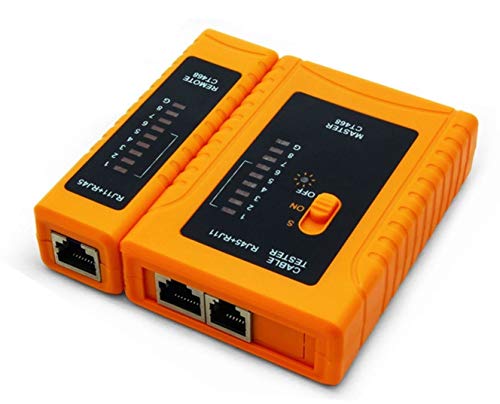
iMBAPrice - RJ45 Network Cable Tester for Lan Phone RJ45/RJ11/RJ12/CAT5/CAT6/CAT7 UTP Wire Test Tool
Automatically runs all tests and checks for continuity, open, shorted and crossed wire pairs. Visible LED status display.
As an affiliate, we earn on qualifying purchases.