Much like the myth that old roads can’t still get you where you need to go, some believe Cat5e cables are now obsolete and unusable. However, this isn’t true, and understanding why might save you time and money. You might be surprised to learn that many of these cables still meet current standards for reliable, gigabit Ethernet connections. So, what exactly makes Cat5e a viable option today?
Key Takeaways
- Cat5e meets current Ethernet standards for gigabit speeds, making it suitable for most modern network needs.
- Modern Cat5e cables are durable, resistant to bending and environmental factors, and not as fragile as outdated perceptions suggest.
- It is a cost-effective option that offers reliable performance for typical residential and small business networks.
- Widely available and compatible with existing infrastructure, reducing the need for costly upgrades.
- For most applications, Cat5e remains sufficient; upgrading is only necessary for higher bandwidth or future-proofing.
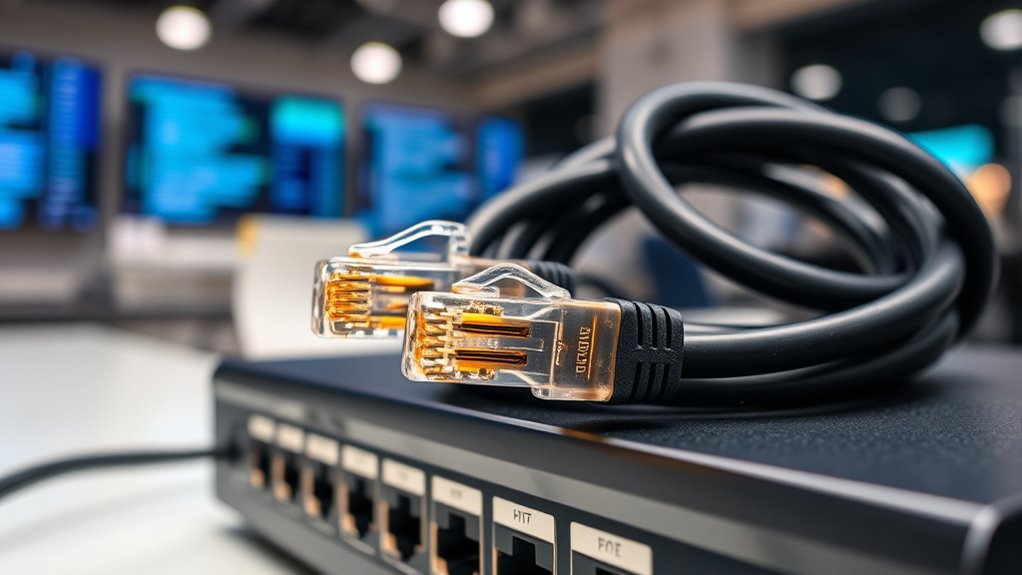
Many believe that Cat5e cables are outdated and no longer suitable for modern networking, but this isn’t entirely true. While newer cable types like Cat6 and Cat7 have gained popularity, Cat5e still plays a valuable role in many setups. Its compliance with current Ethernet standards ensures it can handle gigabit speeds, making it a reliable choice for various applications. Ethernet standards specify how data is transmitted over cables, and Cat5e meets the requirements for gigabit Ethernet, which is sufficient for most home and small business networks. If you’re not dealing with ultra-high-speed data transfers or extensive networking infrastructure, Cat5e remains a practical option.
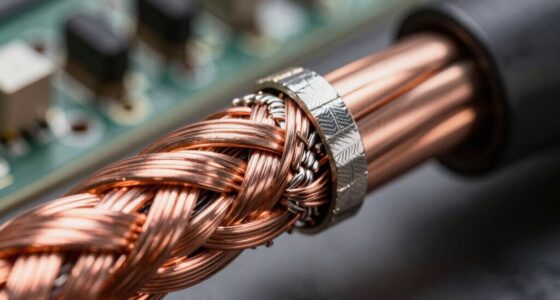
One of the key reasons many overlook Cat5e is the misconception that it’s fragile or outdated. However, cable durability has improved considerably over the years. Modern Cat5e cables are built with sturdy insulation and protective sheathing, making them resistant to everyday wear and tear. When installed properly, they can withstand bending, pulling, and environmental factors without losing performance. This durability means you won’t need to replace cables frequently, saving you money and effort in the long run.
Another aspect that keeps Cat5e relevant is its cost-effectiveness. It’s generally less expensive than newer cable types, which can be a deciding factor if you’re setting up a network on a tight budget. Plus, since it supports gigabit Ethernet, you don’t necessarily need to upgrade if your current setup meets your speed requirements. For many users, Cat5e provides a balance of performance, affordability, and durability that makes it a sensible choice.
Additionally, the widespread availability and established installation practices for Cat5e contribute to its ongoing relevance. Compatibility with existing infrastructure ensures that upgrading to newer cables isn’t always necessary, especially in environments where the current setup meets the user’s needs. Of course, if you’re planning a future-proof network or require higher bandwidth for data-heavy tasks, newer cables like Cat6 or Cat7 might be more suitable. But for typical residential or small office environments, Cat5e still offers reliable performance. It adheres to Ethernet standards that ensure compatibility with most devices, and its cable durability ensures longevity when installed correctly. You don’t have to dismiss it as obsolete just yet, especially if your current needs are modest and cost savings matter.

StarTech.com Cat5e Ethernet Cable10 ft – Blue – Patch Cable – Snagless Cat5e Cable – Network Cable – Ethernet Cord – Cat 5e Cable – 10ft
Supports reliable 350MHz/ 1 Gbps Ethernet network connections with PoE
As an affiliate, we earn on qualifying purchases.
As an affiliate, we earn on qualifying purchases.
Frequently Asked Questions
Can Cat5e Support Modern Wi-Fi Speeds Effectively?
Yes, Cat5e can support modern Wi-Fi speeds effectively, but you might face wireless limitations and signal interference that affect performance. While it’s capable of handling gigabit Ethernet, your Wi-Fi connection depends on your router and environment. If you’re experiencing slow speeds or frequent drops, consider upgrading to higher-rated cables like Cat6. Proper placement and minimizing interference can also help maximize your Wi-Fi performance over Cat5e.
What Are the Main Differences Between Cat5e and Cat6 Cables?
Did you know that Cat6 cables can handle frequencies up to 250 MHz compared to Cat5e’s 100 MHz? The main differences lie in their twisted pair design and signal integrity. Cat6 cables have tighter twists and better insulation, reducing crosstalk and interference. This results in higher performance, especially over longer distances. If you’re upgrading, opting for Cat6 guarantees better future-proofing for faster, more reliable network connections.
Is Cat5e Suitable for Outdoor or Harsh Environment Installations?
You can use Cat5e for outdoor or harsh environment installations, but it’s not ideal. Cat5e isn’t designed for outdoor durability or harsh conditions, so it may deteriorate faster when exposed to moisture, extreme temperatures, or UV rays. If you need reliable performance in tough environments, consider cables specifically rated for outdoor use, which are built to withstand these conditions and ensure your network stays operational.
How Does Cat5e Compare in Cost to Newer Ethernet Cable Types?
You’ll find that Cat5e cables are generally more affordable than newer Ethernet types like Cat6 or Cat7, making them a good option for tight budgets. The price comparison shows that Cat5e offers decent performance for basic networking needs without breaking the bank. If your project doesn’t require ultra-high speeds or future-proofing, sticking with Cat5e helps you save money while still getting reliable connectivity, aligning well with your budget considerations.
Are There Any Compatibility Issues With Existing Network Equipment Using Cat5e?
Think of your network as a vintage car—it still runs smoothly if the parts fit. Using Cat5e with legacy infrastructure usually poses no compatibility issues because connectors match standard Ethernet ports. I once upgraded my office wiring, and everything integrated seamlessly, proving that Cat5e works well with existing equipment. As long as your connectors are compatible, your network remains reliable without costly upgrades.

Cable Matters 8-Pack Snagless Cat 5e Ethernet Cable – 5ft, Gigabit Cat5e Cable, Cat5e Ethernet Cord, Black
High Performance Internet Cable: Cat5e-rated Ethernet cord with 24 AWG copper wire provides universal connectivity for LAN components…
As an affiliate, we earn on qualifying purchases.
As an affiliate, we earn on qualifying purchases.
Conclusion
Don’t let the myth that Cat5e is obsolete fool you. Think of it as a reliable old car that still gets you where you need to go—fast and steady. Modern Cat5e cables support gigabit Ethernet, so they’re more than capable for today’s home and small business needs. As long as you install them properly, they’ll serve as a sturdy backbone for your network, proving that sometimes, the classics are still the best choice.
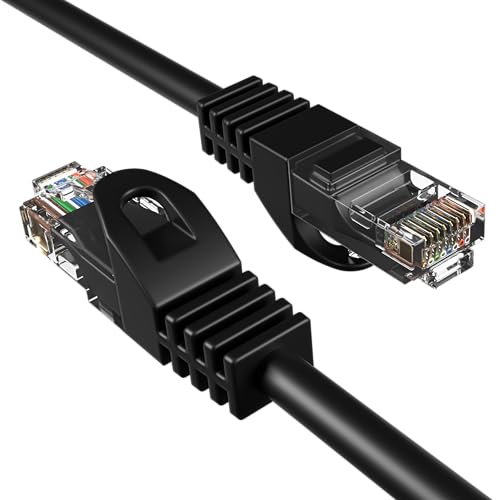
Cables Direct Online Cat5e 5FT Network Ethernet Patch Cable, 350Mhz Internet Wire, Compatible with PC, Laptop, Modem, Router, TVs, Printer Cord, Consoles for Home and Office, Black
Enhanced Performance: Our Cat5e Patch Cable is designed to support Gigabit Ethernet (1000BASE-T) and Fast Ethernet (100BASE-TX), providing…
As an affiliate, we earn on qualifying purchases.
As an affiliate, we earn on qualifying purchases.
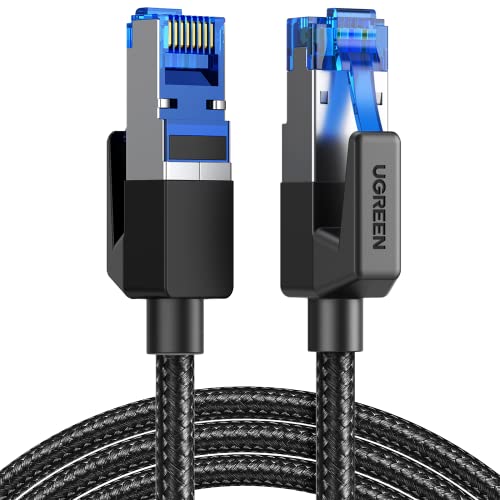
UGREEN Cat 8 Ethernet Cable 6FT, High Speed Braided 40Gbps 2000Mhz Network Cord Cat8 RJ45 Shielded Indoor Heavy Duty LAN Cables Compatible with Gaming PC PS5 PS4 PS3 Xbox Modem Router 6FT
40 Gbps 2000 Mhz High Speed: The Cat 8 ethernet cable support max. 40 Gbps data transfer and…
As an affiliate, we earn on qualifying purchases.
As an affiliate, we earn on qualifying purchases.