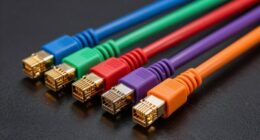
Ensuring reliable, high-quality video conferencing depends on choosing the right cables, securing proper installation, and maintaining organized wiring. You need cables that support high bandwidth, proper placement of access points, and robust connections to supporting devices. Failing to meet these requirements can lead to degraded video quality, interference, and connection issues. To optimize your system’s performance and longevity, it’s essential to understand the specific cabling standards and best practices involved.
Key Takeaways
- Use high-quality Cat6 or Cat6a Ethernet cables to support HD video bandwidth and minimize signal degradation.
- Ensure proper cabling standards and secure connections to optimize network performance for video streams.
- Support devices with Power over Ethernet (PoE) switches to simplify power supply and reduce cable clutter.
- Strategically place access points and network switches to ensure consistent, low-latency connectivity throughout the conference space.
- Regularly maintain and upgrade cabling infrastructure to sustain reliable, high-quality video conferencing performance.

Ever wondered what it takes to guarantee smooth and reliable video conferencing? The key lies in understanding your cabling needs, especially when considering wireless alternatives and power supply considerations. While wireless options might seem appealing for flexibility and ease of setup, they don’t eliminate the importance of proper cabling entirely. Instead, they often serve as supplementary solutions, reducing clutter and increasing mobility, but still rely on solid wired infrastructure for critical components like routers, switches, and access points. Ensuring these devices are connected with high-quality, appropriately rated cables helps prevent signal degradation, lag, or interruptions during important meetings. When evaluating wireless alternatives, keep in mind that they depend heavily on your existing cabling infrastructure to support consistent bandwidth and low latency. Upgrading Ethernet cables to higher standards, such as Cat6 or Cat6a, can make a significant difference in achieving reliable connections, especially in environments with multiple users or high data demands. This upgrade is essential because it provides the bandwidth necessary for high-definition video streams without buffering or drops. Additionally, wireless solutions often require strategic placement of access points and routers, which should be connected securely via robust cabling to ensure maximum performance and coverage.
Implementing proper cabling standards can further optimize network performance and longevity of your equipment. Power supply considerations are equally important in your setup. Every device involved in your video conferencing system needs a consistent and sufficient power source to operate without hiccups. This means planning for adequate power supply options, whether through direct power outlets or Power over Ethernet (PoE). PoE is particularly advantageous since it allows network devices like cameras, microphones, and wireless access points to receive power and data through a single cable, simplifying installation and reducing clutter. However, you must make sure that your network switches support PoE and that the cabling used can handle the power requirements safely and efficiently. Failing to account for power supply considerations can lead to unexpected device failures or intermittent connectivity issues, which disrupt meetings and decrease productivity. It’s wise to invest in surge protectors and uninterruptible power supplies (UPS) to safeguard your equipment against power surges and outages. This proactive approach ensures that even during electrical disturbances, your video conferencing system continues to operate smoothly.
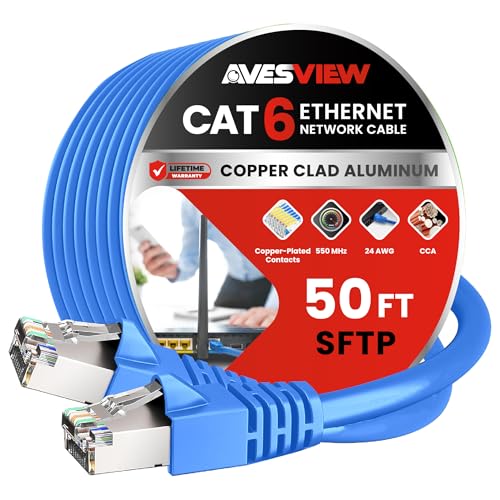
AvesView CAT 6 Shielded Ethernet Cable 50FT, Indoor High-Speed (SFTP) 10Gbps Snagless Shielded 50 FT Ethernet Cable for Internet, Router, Computer, PlayStation, Xbox, POE Camera, Printer – Blue
Our Professional Series CAT6 shielded ethernet cable provides exceptional transfer speeds for LAN network components such as servers,…
As an affiliate, we earn on qualifying purchases.
As an affiliate, we earn on qualifying purchases.
Frequently Asked Questions
What Are the Best Cable Types for High-Definition Video Signals?
You should choose HDMI cables or fiber optics for high-definition video signals. HDMI cables are reliable and widely used for transmitting HD video and audio between devices like cameras and displays. Fiber optics offer superior bandwidth and longer-distance transmission without signal loss, making them ideal for large conference rooms or complex setups. By selecting these cables, you guarantee clear, high-quality video performance, essential for effective video conferencing.
How Do I Ensure Future-Proof Cabling for Evolving Technology?
Think of your cabling as planting a sturdy tree that grows with technology. To guarantee future-proofing, choose fiber optic cables for high-speed data transfer and scalability. Incorporate power redundancy to keep your system resilient against outages. Regularly update your infrastructure plans and consider modular cabling solutions, so you can easily adapt as new tech emerges. This way, your setup remains robust, flexible, and ready for the innovations ahead.
What Are Common Troubleshooting Steps for Video Quality Issues?
To troubleshoot video quality issues, start by checking your connection issues and ensuring all cables are securely connected. Verify equipment compatibility, as mismatched devices can cause problems. Restart your devices and update firmware or drivers if needed. Test your network speed and reduce bandwidth usage if necessary. If issues persist, replace faulty cables or equipment, and consider consulting tech support to identify deeper network or hardware problems.
How Does Cable Length Affect Signal Quality in Video Conferencing Setups?
Cable length can considerably impact signal quality in your video conferencing setup. Longer cables increase signal attenuation, which weakens the video and audio signals. Proper cable shielding helps reduce interference, but if your cables are too long, even shielded ones can struggle to maintain clear quality. To guarantee ideal performance, keep cable lengths as short as possible and choose high-quality shielded cables to minimize signal loss and interference.
Are Wireless Solutions Viable Alternatives to Wired Cabling?
Wireless solutions can be viable for video conferencing, but you need to consider wireless security and signal interference. If you use strong encryption and secure your network, you reduce security risks. Keep in mind that signal interference from other devices or networks can cause disruptions, so it’s essential to choose a reliable Wi-Fi setup and minimize interference sources. Proper planning ensures smooth, high-quality video conferencing without wiring.

TP-Link TL-SG1005P, 5 Port Gigabit PoE Switch, 4 PoE+ Ports @65W, Desktop, Plug & Play, Sturdy Metal w/ Shielded Ports, Fanless, QoS & IGMP Snooping
[Flexible Full Gigabit 5-Port PoE Configuration] 4x PoE+ (802.3at/af) 10/100/1000 Mbps RJ45 ports providing up to 30W per…
As an affiliate, we earn on qualifying purchases.
As an affiliate, we earn on qualifying purchases.
Conclusion
By choosing the right cables and installing them properly, you’ll guarantee your video conferencing system runs smoothly like a well-oiled machine. High-quality Cat6 or Cat6a cables are your backbone, preventing interference and maintaining clear, high-bandwidth signals. Think of your cabling setup as the nervous system of your communication network—crucial and invisible but essential for seamless connections. With proper planning and adherence to standards, you’ll keep your system reliable and ready for any meeting.
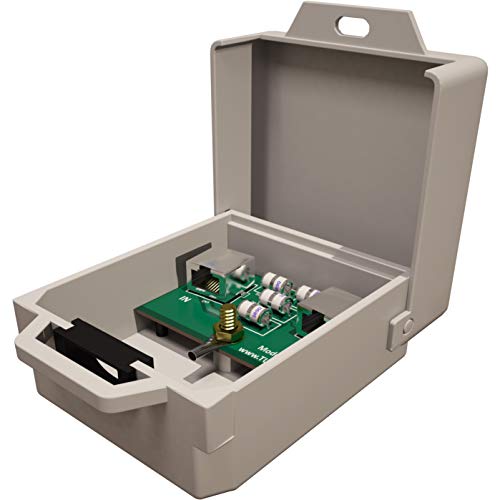
Tupavco TP303 Ethernet Surge Protector Outdoor for PoE+ Gigabit 1000Mbs – LAN Network Thunder Lightning Surge Protection Suppressor/Arrester
Outdoor Ethernet Surge protector for gigabit GbE PoE/high PoE+ (HPoE) 1000 Mbps LAN Ethernet network
As an affiliate, we earn on qualifying purchases.
As an affiliate, we earn on qualifying purchases.

APC UPS 600VA / 330W UPS Battery Backup & Surge Protector, 7 Outlets (NEMA 5-15R), USB Charging Port, BE600M1 Uninterruptible Power Supply for Computers, Wi-Fi Routers, and Home Office Electronics
600VA / 330W RELIABLE BACKUP POWER: Supplies short‑term battery power during outages to maintain internet connectivity and allow…
As an affiliate, we earn on qualifying purchases.
As an affiliate, we earn on qualifying purchases.